
Harran is a district of Şanlıurfa Province, about 40 km southeast of Şanlıurfa city and 20 km from the Syrian border crossing at Akçakale. It is an ancient Mesopotamian trade city tied to the moon-god Sin, and today it is best known for its beehive houses. Visitors also see Harran Castle and the ruins of its Islamic-era centre.
Key facts
- Location: Harran district, Şanlıurfa Province, southeastern Türkiye
- From Şanlıurfa: About 40 km southeast (Wikipedia)
- Border: About 20 km from the Akçakale crossing
- Nearest airport: Şanlıurfa GAP Airport, about 36 km north of the city centre (Wikivoyage)
- Best season: May and October are recommended by Wikivoyage for the Urfa area
- Typical visit time: Half a day; combine with Şanlıurfa and Göbekli Tepe for 2 days
- Known for: Beehive houses, Harran Castle, ancient moon-god cult
- UNESCO status: Not inscribed; Göbekli Tepe in the same province is a World Heritage Site
- Entrance: See official page for site and museum details
What is Harran and why visit?
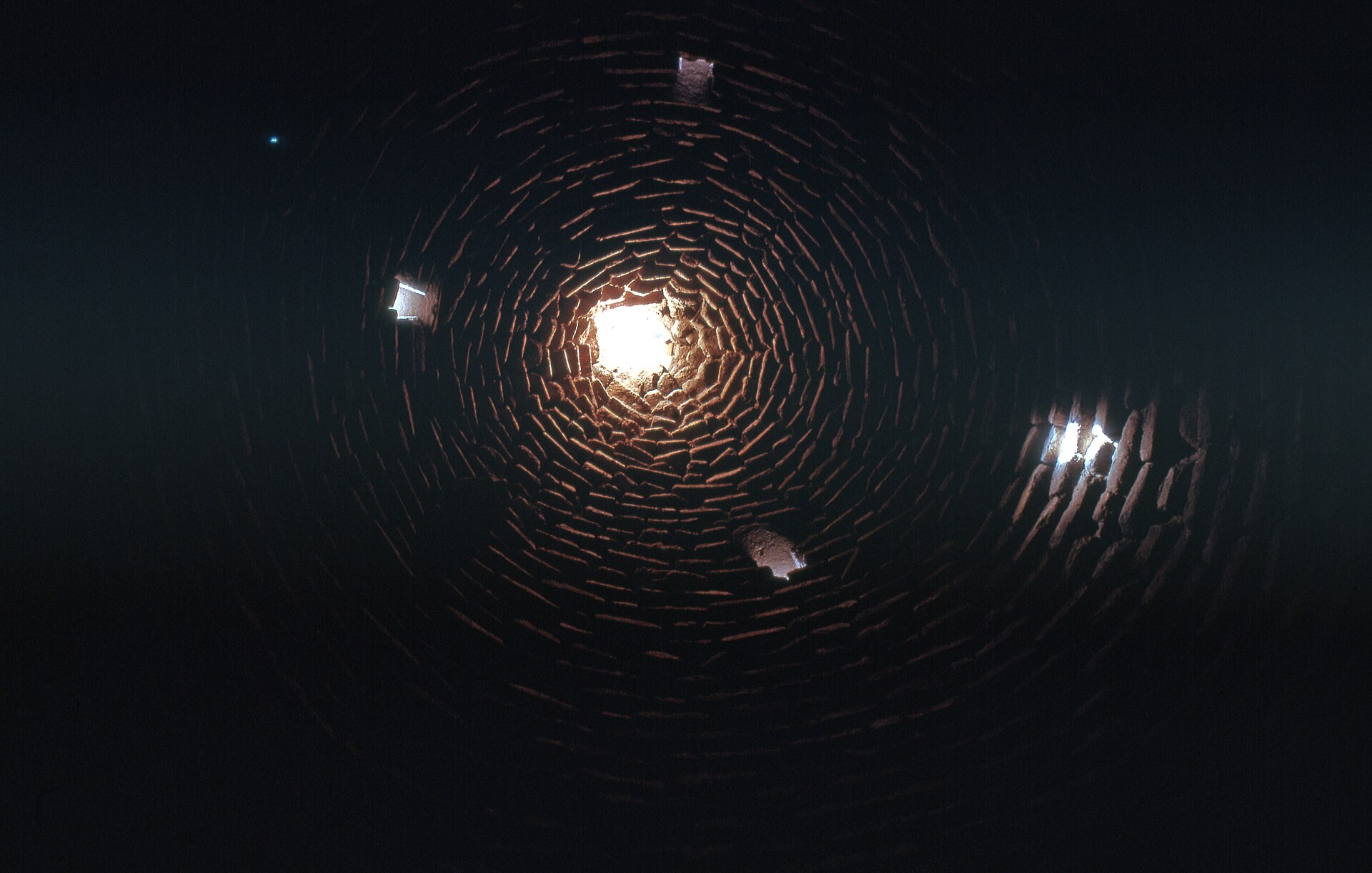
Harran is an ancient crossroads city in the Şanlıurfa plain. Its name is often interpreted as journey, caravan or crossroad. Today the town is famous for beehive houses. Wikipedia says they recall buildings that were already present in ancient Mesopotamian times.
Visitors also see castle walls and the remains of the old city. Moreover, the flat landscape gives a clear sense of the trade routes that once crossed here. Therefore Harran suits travellers interested in early history.
Key reasons to visit are listed here.
- Beehive houses (kümbet) unique to the area
- Harran Castle, partly excavated and reconstructed
- Ruins linked to early Islamic learning
- Setting on ancient Mesopotamian trade routes
- Easy day trip from Şanlıurfa
What is the history of Harran?
Harran has about 4,300 years of written history, according to GoTürkiye. Wikipedia says it was founded c. 2500-2000 BCE as a merchant outpost by traders from Ur. It rose through its link to the moon-god Sin. Later it became the final Neo-Assyrian capital.
In 53 BC the Battle of Carrhae took place here. In the Islamic period, Harran was captured in 640 and later became the Umayyad capital from 744 to 750. As a result, the town holds layers from Assyrian, Roman and Islamic history.
The table gives a quick timeline.
| Date | Event (source) |
|---|---|
| c. 2500-2000 BCE | Founded as a merchant outpost by traders from Ur (Wikipedia) |
| 612-609 BC | Final capital of the Neo-Assyrian Empire (Wikipedia) |
| 53 BC | Battle of Carrhae (Wikipedia) |
| 640 | Captured by the Rashidun Caliphate (Wikipedia) |
| 744-750 | Capital of the Umayyad Caliphate under Marwan II (Wikipedia) |
| Early 16th century | Ottomans capture the region (Wikipedia) |
What are the highlights of Harran?
The highlights are the beehive houses, the castle and the old city remains. Wikipedia describes Harran Castle as a large brick fortress of unknown date, recently partly excavated and reconstructed. Wikipedia also says Harran was the site of the oldest mosque built in Anatolia.
Wikivoyage describes the beehive houses as built without timber. Check local rules before entering houses or taking photographs. Some sites may be closed or under works, so check the official page.
This list covers the usual stops.
- Beehive houses: look at the cone shapes and ask before entering
- Harran Castle: brick fortress, partly reconstructed
- Great Mosque area: remains of the early mosque
- University ruins: the old Harran University site
- Village streets: for local life
The table summarises each stop.
| Stop | What you see | Notes |
|---|---|---|
| Beehive houses | Domed houses built without timber | Wikivoyage calls them kümbets |
| Harran Castle | Large brick fortress | Partly excavated and reconstructed |
| Great Mosque ruins | Remains of an early mosque | Wikipedia: oldest mosque built in Anatolia |
| University ruins | Remains of the old centre | Repaired under Selim I per Wikipedia |
How do you get to Harran and get around?
Most visitors reach Harran from Şanlıurfa by road. The distance is about 40 km. Fly into Şanlıurfa GAP Airport, then take a taxi, tour or private transfer. Check current timetables for buses and dolmuşes. Wikivoyage says buses from across Türkiye run to Gaziantep, then about two hours on to Urfa.
The table lists the main options.
| Option | Route | Notes |
|---|---|---|
| Flight | Şanlıurfa GAP Airport (36 km north of city) | Several flights a day from Istanbul per Wikivoyage; check schedule |
| Road | Şanlıurfa to Harran, about 40 km | Private transfer, taxi or tour |
| Bus | Long-distance to Gaziantep then Urfa | About two more hours per Wikivoyage |
| On site | Walking | Sites are close together in the village |
When is the best time to visit Harran?
Spring and autumn are best for comfort. Wikipedia says Harran has a hot and dry climate. Wikivoyage says summer is baking hot and dry, routinely above 38°C through September, and recommends May and October. Therefore avoid midday in summer.
The table shows seasons.
| Season | Weather | Crowds | Notes |
|---|---|---|---|
| Spring (May) | Warm; recommended by Wikivoyage | Moderate | Good for walking |
| Summer | Baking hot, above 38°C | Lower | Go early; bring water and a hat |
| Autumn (October) | Warm; recommended by Wikivoyage | Moderate | Comfortable |
| Winter | Cooler, check forecast | Low | Check road and site conditions |
How long should you stay in Harran?
Half a day is enough for the village and castle. A full day works when paired with Şanlıurfa. Two to three days let you add Göbekli Tepe, Balıklıgöl and Halfeti.
The table suggests plans.
| Time | Plan |
|---|---|
| Half day | Beehive houses, castle, short walk |
| 1 day | Add Şanlıurfa old city and Balıklıgöl |
| 2-3 days | Add Göbekli Tepe and Halfeti or Rumkale |
What practical tips help in Harran?
Wear a hat, sunscreen and sturdy shoes. Bring water. Dress modestly in a conservative rural area. Ask before photographing residents. Check the official page for fees and opening details. Note that the Syrian border is close; follow current official travel advice.
Keep these points in mind.
- Visit in the morning in warm months
- Ask permission before entering houses
- Check current travel advice for the border region
- Carry cash for small purchases
- Check the official page for entrance details
Where should you stay and eat in Harran?
Most travellers stay in Şanlıurfa, where hotels and restaurants are more varied. Wikivoyage says eating places there are generally open daily from early morning to 22:00 or later. In Harran, expect simple village options for tea and snacks.
What are the nearby places and day trips?
Şanlıurfa is 40 km away. Göbekli Tepe lies about 20 km northeast of Şanlıurfa centre per Wikivoyage. Halfeti and Rumkale are farther north. In addition, see the Harran Houses page and Balıklıgöl for related background.
Plan this with TurkGT
TurkGT is an Istanbul-based travel company. We offer guided trips, private transfers, local guides and interpreter services for destinations across Türkiye. Tell us your dates and interests, and we will suggest a realistic plan.
We confirm every booking and every detail by WhatsApp. Moreover, we check current opening arrangements before you travel, because local schedules change. Contact us through the TurkGT website to start.
Frequently asked questions
Where is Harran?
Harran is a district of Şanlıurfa Province, about 40 km southeast of the city and 20 km from the Akçakale border crossing.
What is Harran famous for?
Wikipedia says the town is particularly famous for its unique beehive houses.
What does the name Harran mean?
Wikipedia says Ḫarrānu literally means journey, caravan or crossroad.
Who was the moon-god Sin?
Wikipedia says Harran became religiously and politically influential through its association with the moon-god Sin.
What was the Battle of Carrhae?
Wikipedia says that in 53 BC Harran was the site of the Battle of Carrhae, one of the worst military defeats in Roman history.
When is the best time to visit?
Wikivoyage recommends May and October for the Urfa area, because summer is baking hot.
How do you reach Harran?
Fly to Şanlıurfa GAP Airport, then travel about 40 km by road. Check current timetables.
Is Harran Castle open?
Opening status can change. Wikipedia says it was recently partly excavated and reconstructed; check the official page.
Related on TurkGT
Sources
Last reviewed: 2026-11-18. Opening hours, ticket prices and other changeable details are not listed because they change; check the official source before you travel.