
Bursa was the first Ottoman capital, and its main sights are clustered in four areas: the old bazaar, Yeşil, Tophane and the slopes of Uludağ. This guide lists twelve landmarks, explains how to link them on one day and tells you what to check before you go.
Key facts
- Why visit: First Ottoman capital, UNESCO-listed with Cumalıkızık
- Core areas: Old bazaar, Yeşil, Tophane, Muradiye
- Days needed: One full day for the core, two with Uludağ
- Best way to move: On foot in the bazaar, car or taxi between districts
- Dress: Modest clothing for mosques and tombs
- Opening hours: Check each site or Google Maps
- Province page: See our Bursa destination page
What are the must-see sights in Bursa?
The must-see sights are the Grand Mosque, the Green Mosque and Green Tomb, Koza Han, the Tophane tombs and the citadel area. Moreover, the Uludağ cable car and Cumalıkızık village add a mountain and village contrast. Together they explain why UNESCO lists Bursa and Cumalıkızık as the birth of the Ottoman Empire.
The six core sights are:
- Grand Mosque (Ulu Cami) with its 20 domes.
- Green Mosque and Green Tomb in Yeşil.
- Koza Han and the hans district.
- Tophane with the clock tower and royal tombs.
- Muradiye complex and its tomb garden.
- Cumalıkızık village.
How did we choose these places?
We chose places from our own Bursa registry. Each one has a photo, a map location and details from an official or public source, such as the Bursa tourism portal, the venue’s own site or Wikivoyage. We do not accept payment for placement. However, opening hours, menus and ratings change often, so check the place’s page or Google Maps before you go.
We focused on sights with a documented history and a clear map location. In contrast to a generic top-ten list, we group them by district, so your day follows the map.
Which religious and royal sights should you start with?
Start with the mosques and tombs, because they show the early Ottoman style most clearly. The Grand Mosque and Green Mosque sit in different districts, so allow time for the short drive between them.
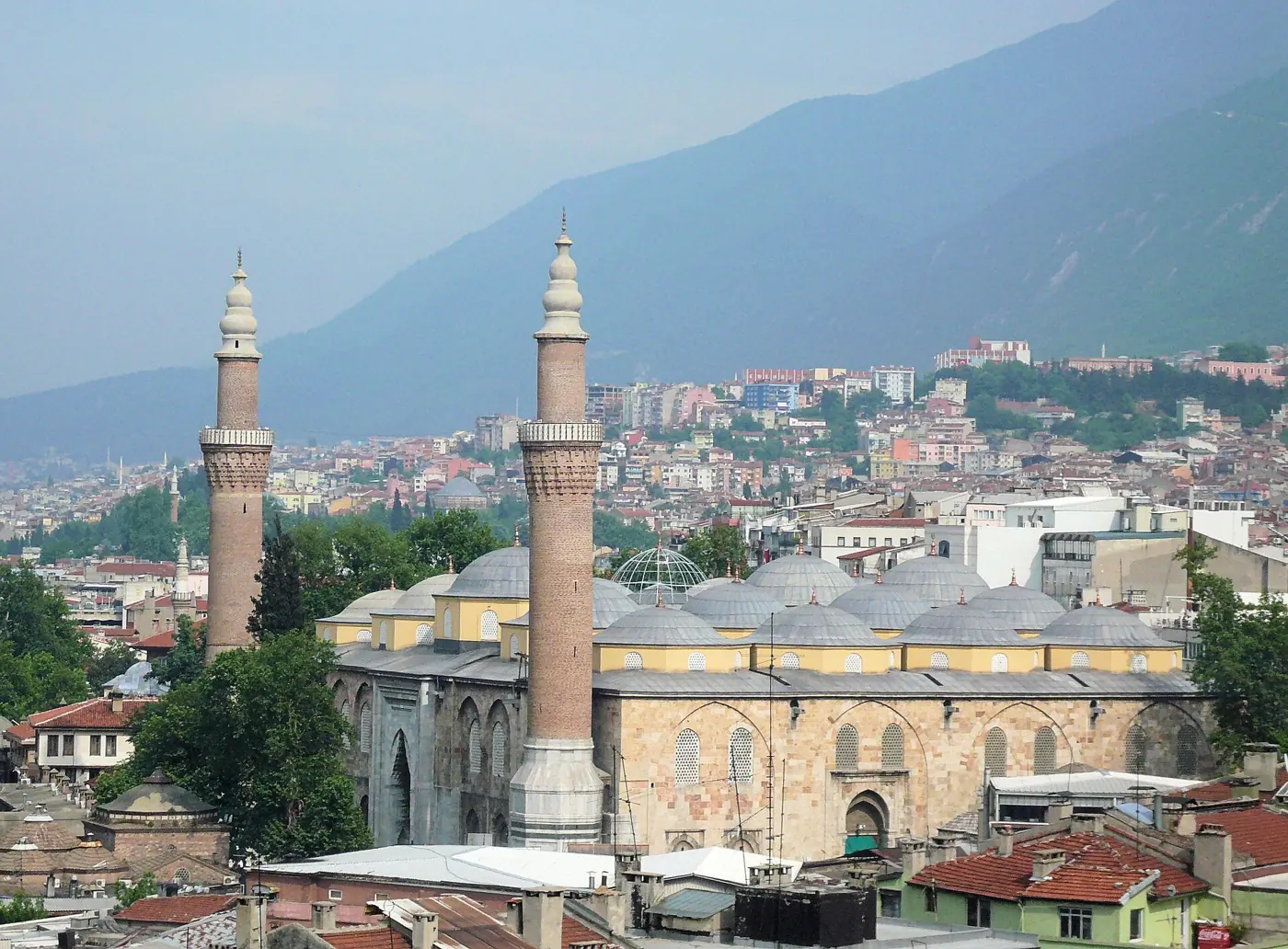
1 Bursa Grand Mosque (Ulu Cami)
The Grand Mosque has 20 domes in 5 rows of 4 and was completed in 1399 for Sultan Bayezid I. Its monumental calligraphy panels are the main reason to step inside.
- Built: 1396-1399 (Bayezid I)
- Domes: 20
Show map
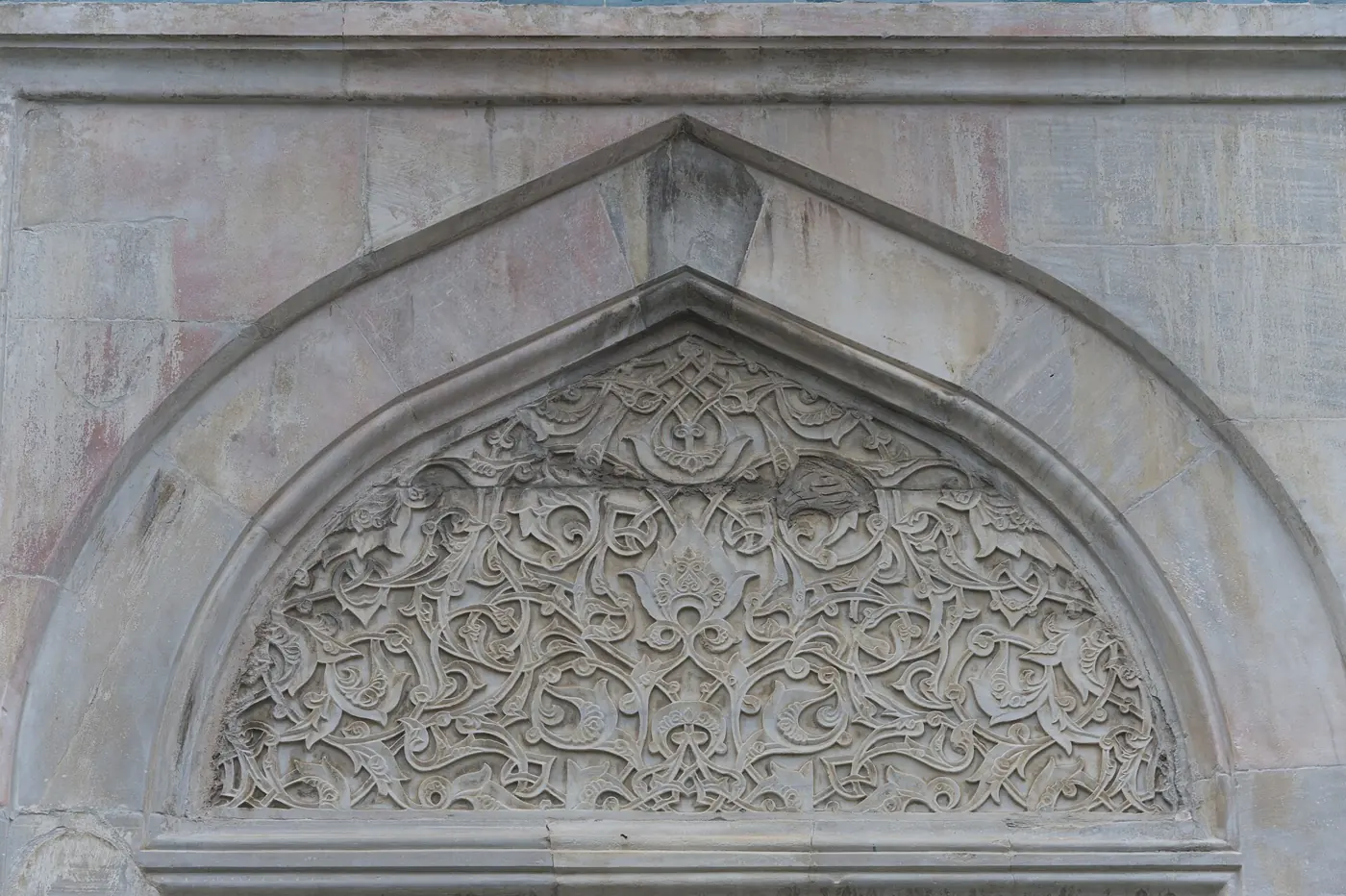
2 Green Mosque (Yeşil Cami)
Completed in 1424 for Sultan Mehmed I, this mosque has an ornate tiled interior and a distinctive early Ottoman portal.
- Built: 1419-1424 (Mehmed I)
- Style: Early Ottoman, Iznik-style tiles
Show map
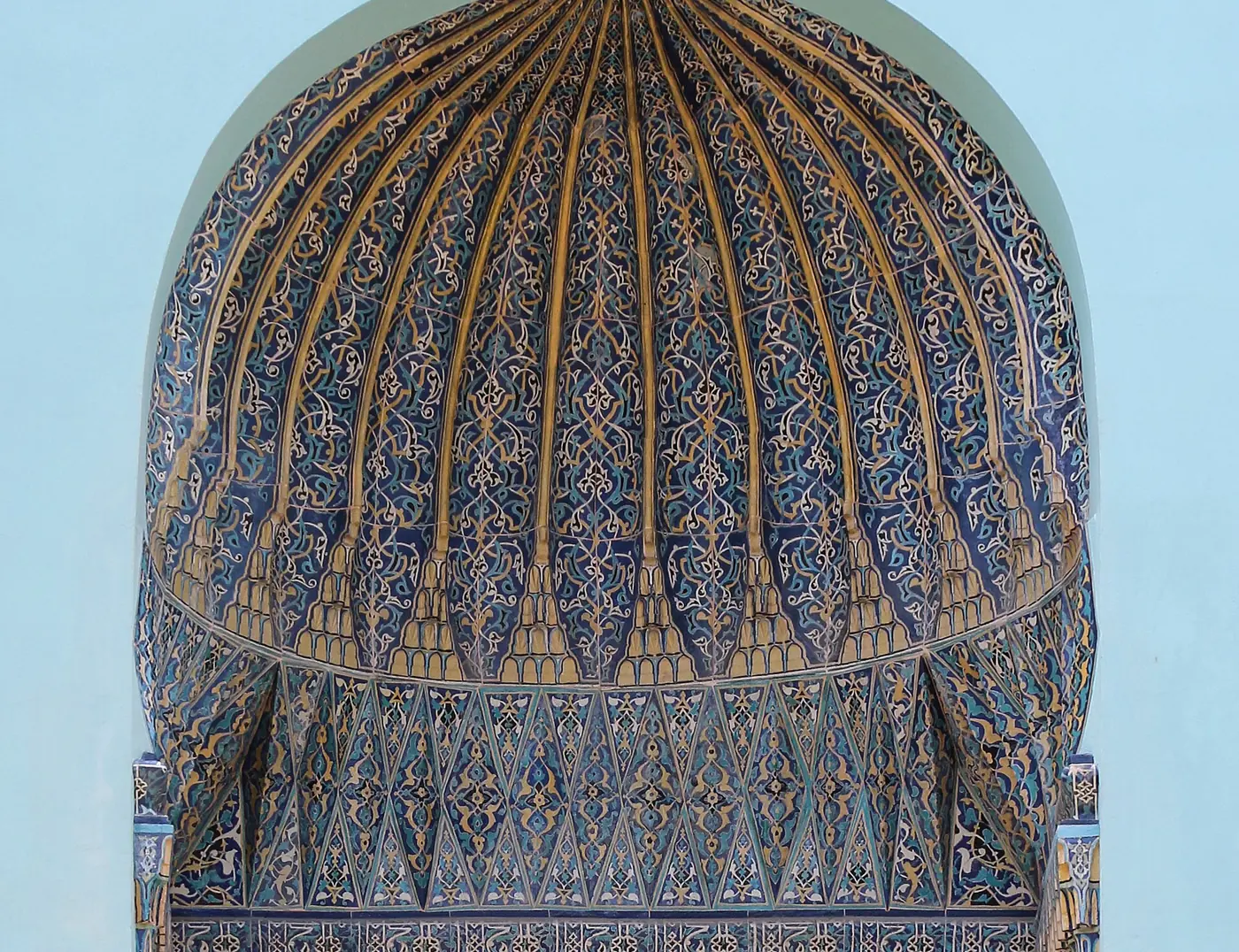
3 Green Tomb (Yeşil Türbe)
The Green Tomb stands on a hill facing the Green Mosque. It is covered inside and out in turquoise-blue tiles and holds Sultan Mehmed I.
- Built: 1421
- Buried: Mehmed I
Show map
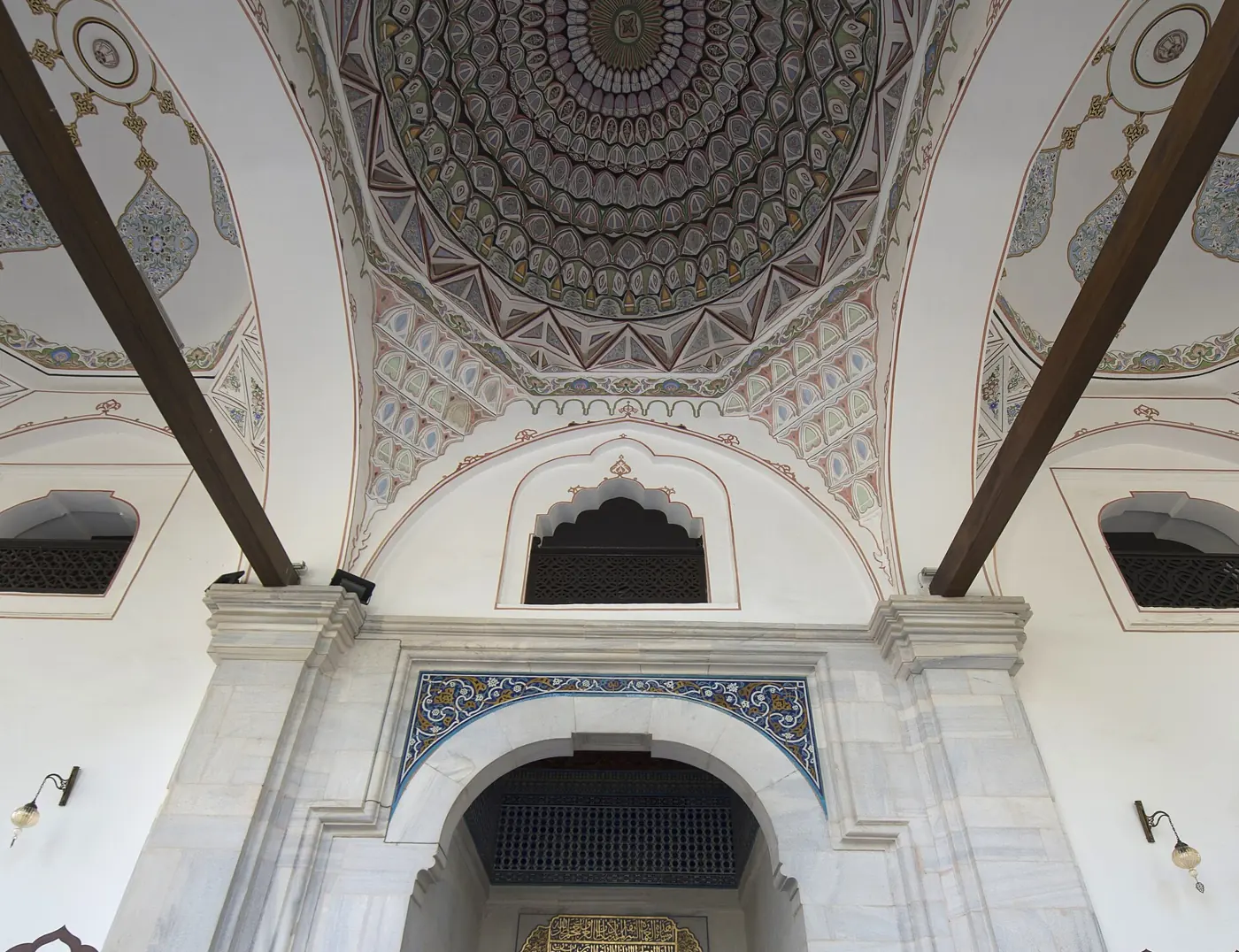
4 Muradiye Complex
Built for Sultan Murad II in 1426, the complex has a mosque, a madrasa and a garden of tombs of sultans and princes.
- Built: 1426 (Murad II)
- Includes: Mosque, madrasa, royal tombs, Ottoman houses nearby
Show map
Which markets, bridges and viewpoints should you add?
Next, add the market and city views. Koza Han and Irgandı Bridge show the trading side of Bursa, while Tophane gives the best sense of the old citadel hill. However, expect hills and steps.
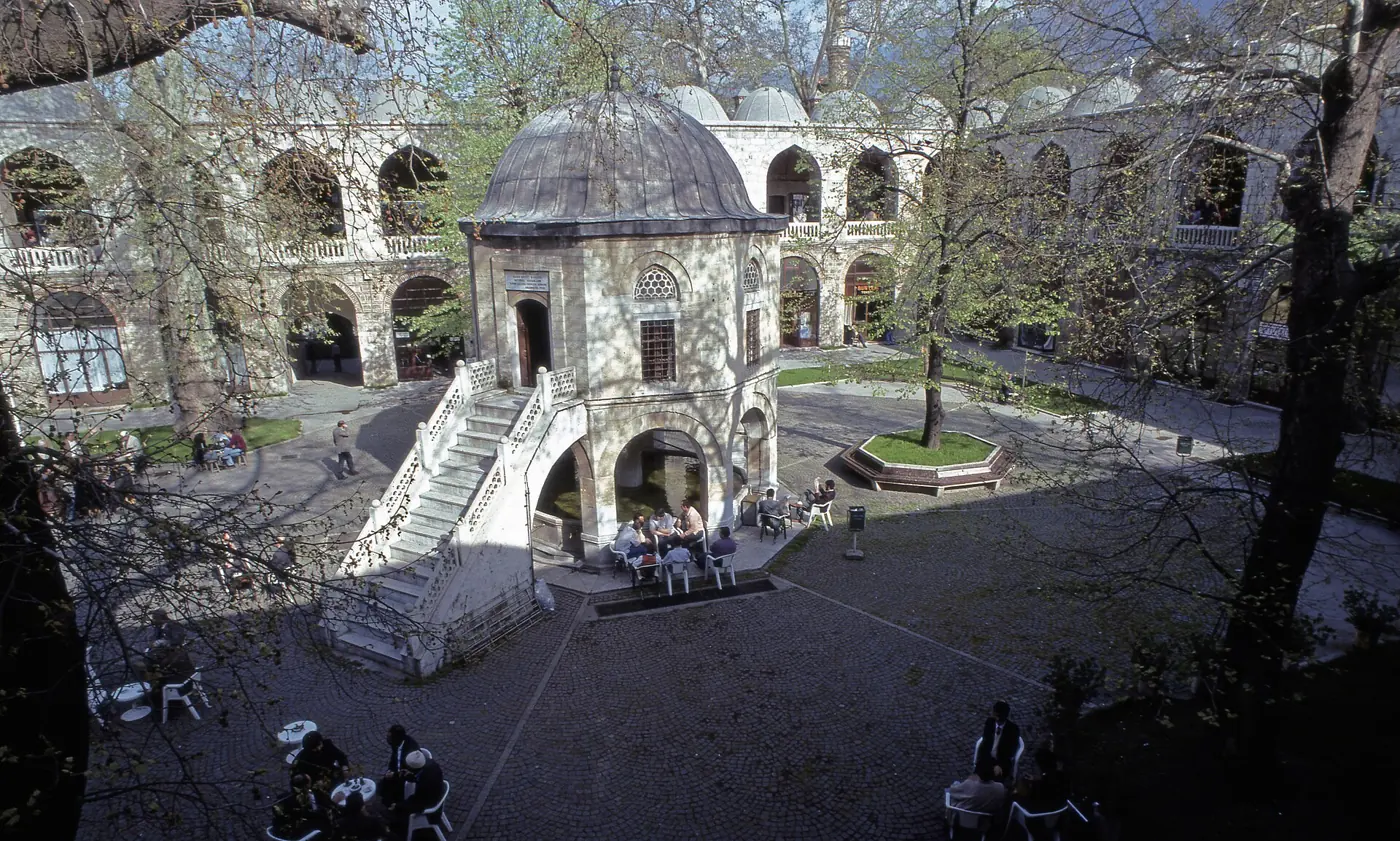
5 Koza Han
Built in 1491 under Bayezid II, this silk cocoon market has a two-storey courtyard around a central mescit. It is still the centre of Bursa’s silk trade.
- Built: 1491 (Bayezid II)
- Trade: Silk cocoons and silk goods
Show map
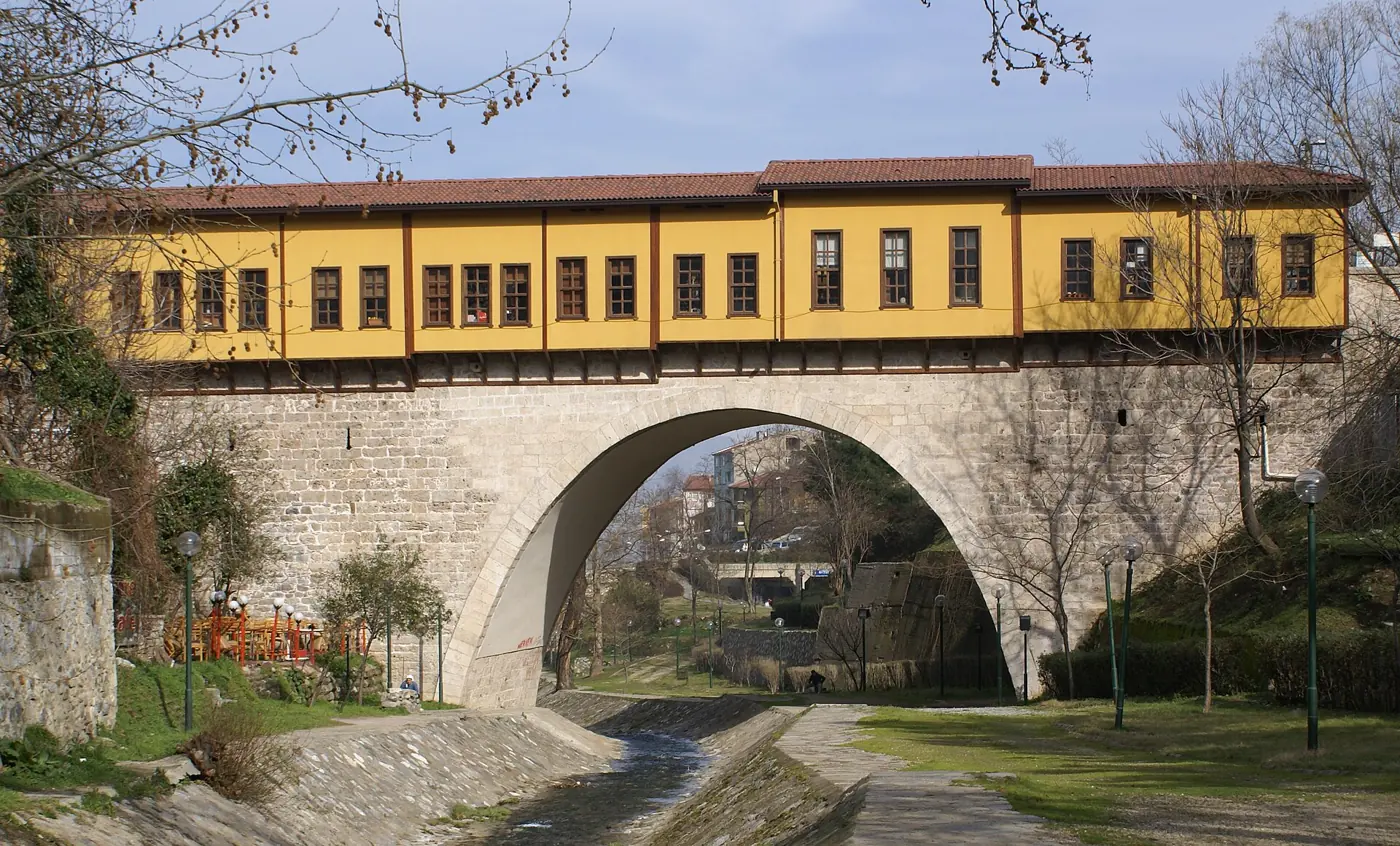
6 Irgandı Bridge
A medieval bridge over the Gokdere with shops on top, rare in Turkey and restored in 2004.
- Era: 15th century (Mehmed I period)
- Feature: Shops on the bridge
Show map
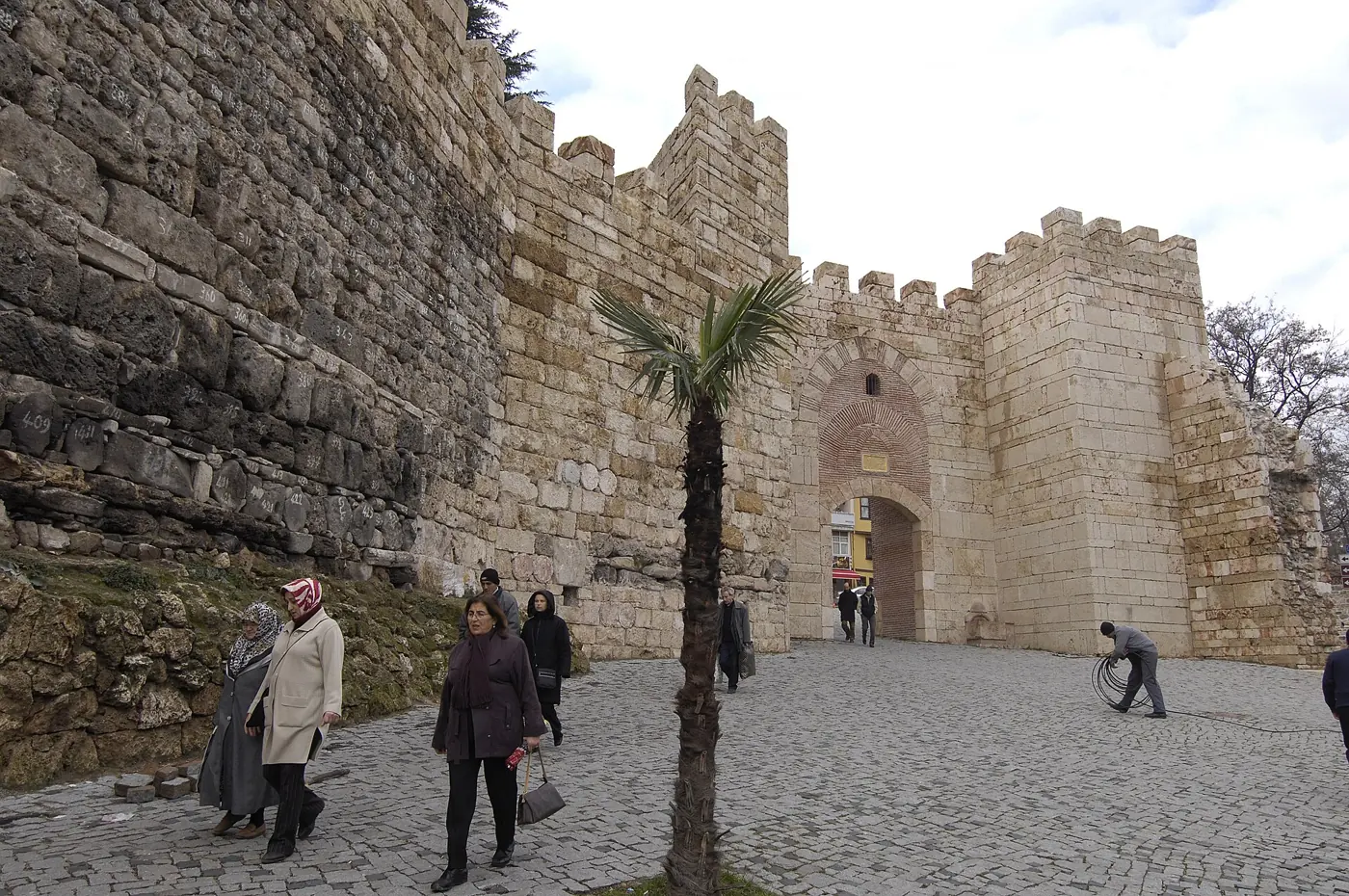
7 Bursa Citadel (Hisar)
The ancient fortress above the old city has Byzantine-era walls, the Saltanat Gate and surviving towers.
- Type: Citadel (Hisar)
- Notable: Saltanat Gate, ancient walls
Show map
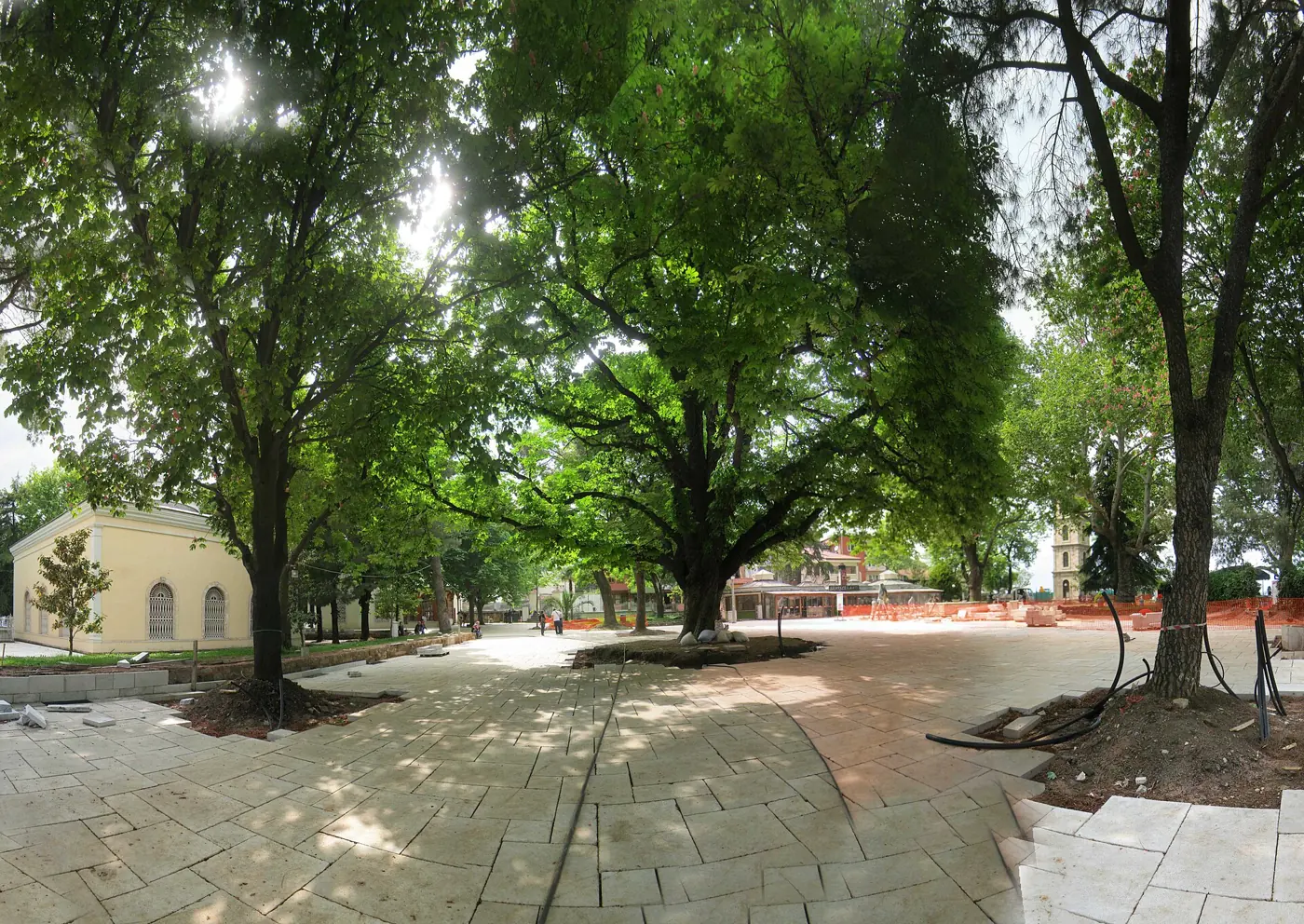
8 Tophane Clock Tower
An Ottoman clock tower in Tophane park at the edge of the citadel, with a view over the city.
- Type: Clock tower
- Location: Tophane, Osmangazi
Show map
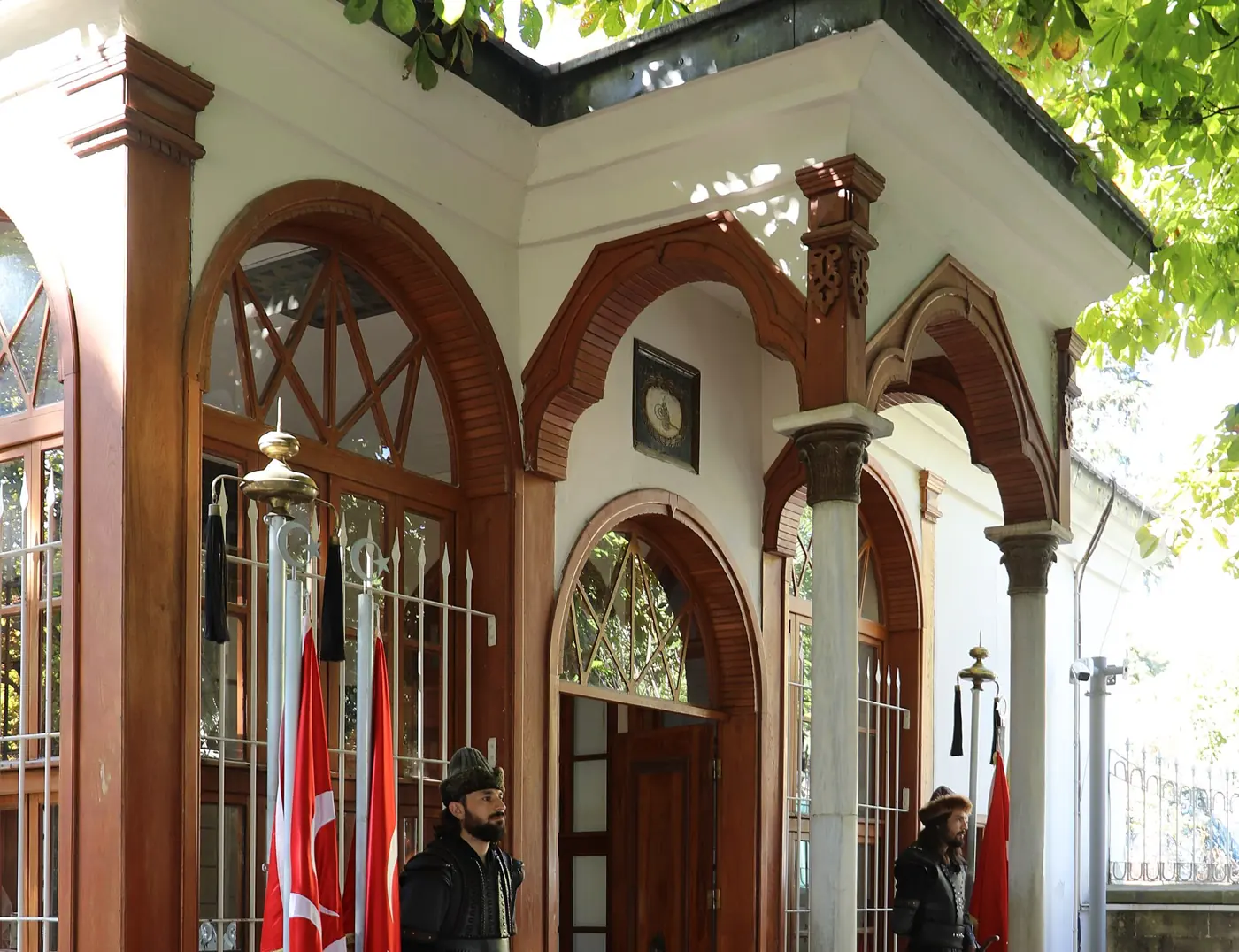
9 Tombs of Osman Gazi and Orhan Gazi
The tombs of the first two Ottoman rulers stand in Tophane. They were rebuilt in the 19th century after earthquake damage.
- Buried: Osman Gazi and Orhan Gazi
- Quarter: Tophane, Bursa citadel
Show map
Which museums and day-trip sights complete the visit?
Finally, add one museum and one mountain or village stop. The Turkish and Islamic Arts museum sits beside the Green Mosque. The cable car and Cumalıkızık suit travellers with a second day.
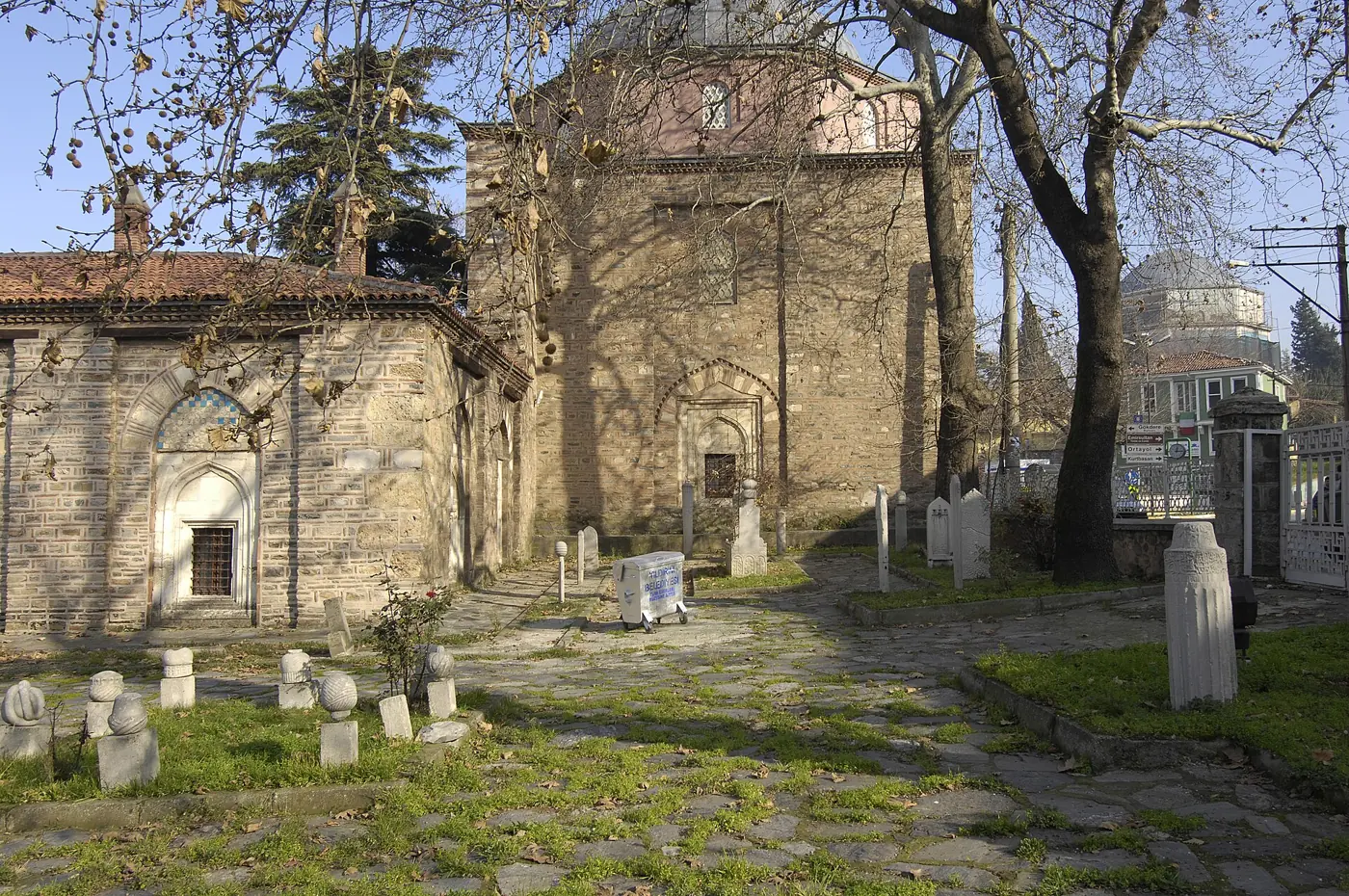
10 Museum of Turkish and Islamic Arts (Yeşil Medrese)
The Yeşil Madrasa now shows Ottoman ceramics, manuscripts, textiles and woodwork next to the Green Mosque.
- Building: Yesil Madrasa, early 15th century
- Collection: Ottoman crafts, ceramics, textiles, manuscripts
Show map
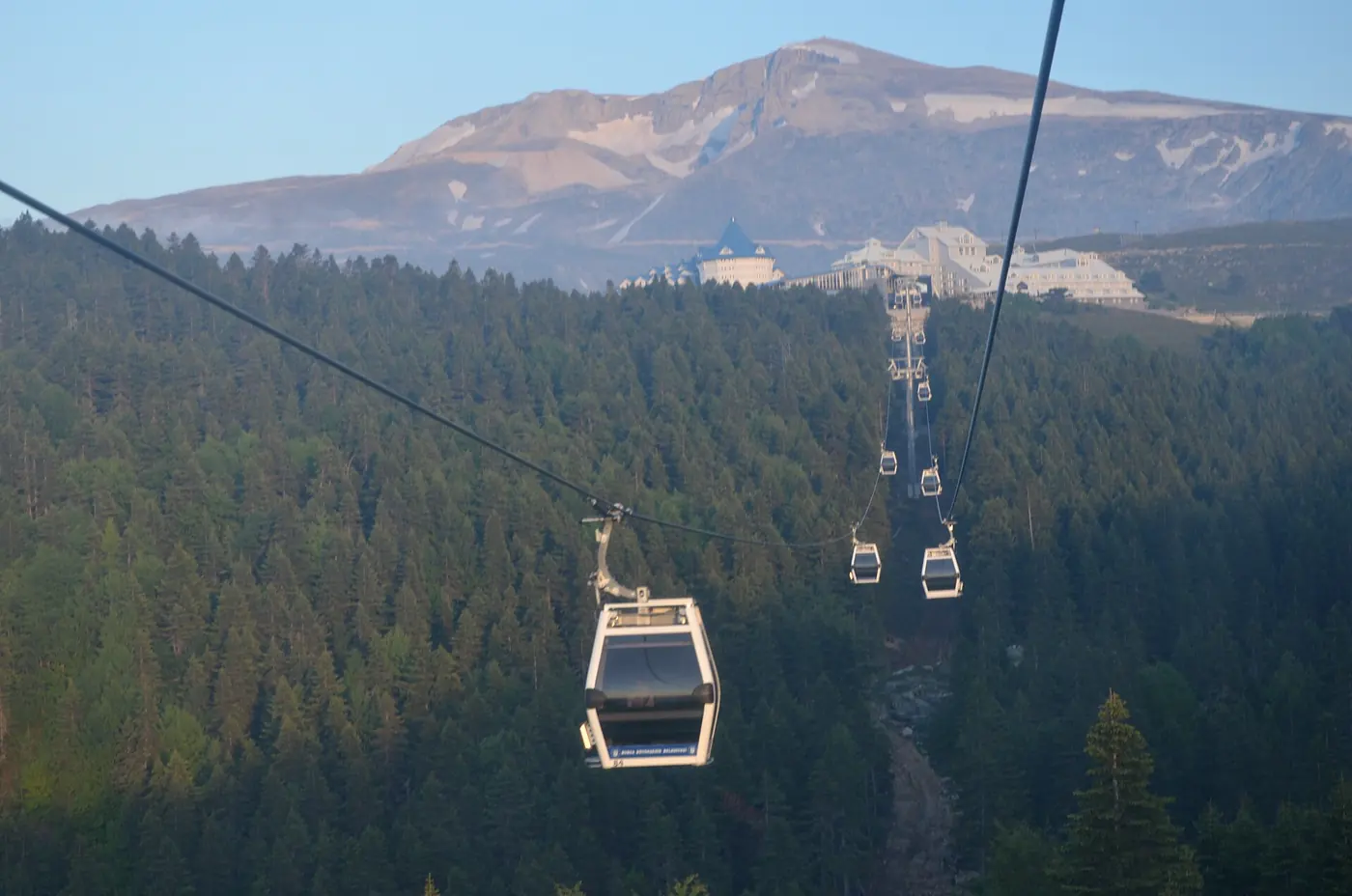
11 Bursa Teleferik
Turkey’s first cable car opened on 29 October 1963. It is about 9 km long and links the city to Uludağ.
- Opened: 29 October 1963
- Length: About 9 km
Show map
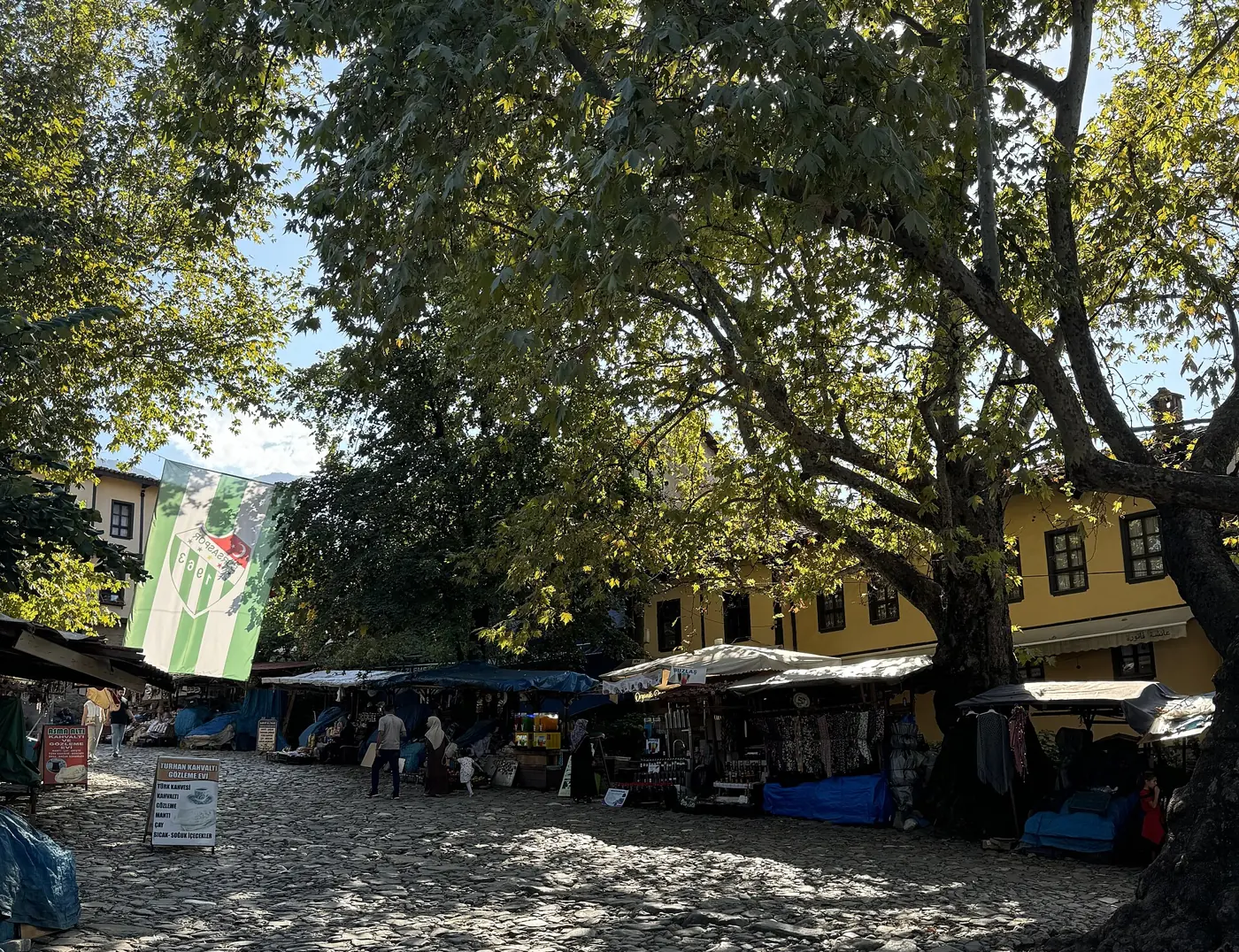
12 Cumalıkızık
An Ottoman-era village on the slopes of Uludağ, with cobbled lanes and timber-framed houses. It belongs to the UNESCO listing with Bursa.
- Status: UNESCO World Heritage Site (2014)
- Area: Yildirim district, foot of Uludag
Show map
Why is Bursa so important in Ottoman history?
Bursa was the first major Ottoman capital. Orhan Gazi took the city in the early fourteenth century, and his successors built the mosques, hans and tombs that still define the old centre. Therefore a visit here explains the start of the empire in a way that Istanbul cannot.
UNESCO recognised this heritage with the listing called Bursa and Cumalıkızık: the Birth of the Ottoman Empire. The listing covers the hans district, the royal complexes and the village at the foot of Uludağ. Moreover, many of these sites are still in daily use, so you will see worshippers, traders and families beside the monuments.
In contrast to a museum-only city, Bursa lets you walk through the same streets where silk merchants worked for centuries. That living quality is the main reason we recommend a guide for first-time visitors.
How should you spend two days in Bursa?
A first day should cover the old centre and Yeşil. It includes the Grand Mosque, Koza Han, Irgandı Bridge, the Green Mosque, the Green Tomb and the museum. The second day can go to Tophane and Muradiye in the morning, then to Cumalıkızık or the Uludağ cable car in the afternoon.
However, do not overfill the plan. Bursa has hills, and midday heat in summer can be tiring. Therefore start early, take a long lunch and use a car for the longer transfers.
Finally, remember that opening hours and ticket rules change. Check the official page or Google Maps on the day, and ask your driver or guide about any local events that may affect traffic.
What else should you know before you go?
Bursa is a city of hills, and the old centre is busy on weekends. Therefore start early, carry water and keep a flexible plan. Moreover, many visitors combine the city with Uludağ, Iznik or the Marmara coast, so ask us about longer routes.
Opening hours change, and some sites close for restoration. However, a local driver usually knows the current situation and can adjust the order of your stops on the day. Finally, always carry a copy of your hotel address, because lanes in the bazaar can be confusing for new visitors.
Families should also plan rest stops. Parks such as Kültürpark and the tea gardens near the old centre give children space to run, and a short break makes the next sight easier. Therefore build a pause into each half day, and ask your driver for a good place near your next stop.
How do the main sights compare?
The table compares sights by area, type and the time you should allow. The time ranges are our planning estimates, not official figures.
The table compares the sights by area and planning time.
| Sight | Area | Type | Planning time |
|---|---|---|---|
| Grand Mosque | Old centre | Mosque | 30-45 minutes |
| Koza Han | Old bazaar | Han | 30-60 minutes |
| Green Mosque and Tomb | Yeşil | Mosque, tomb | 45-60 minutes |
| Turkish and Islamic Arts Museum | Yeşil | Museum | 45-60 minutes |
| Muradiye Complex | Muradiye | Tombs, mosque | 45 minutes |
| Tophane and tombs | Tophane | Tombs, view | 60 minutes |
| Cumalıkızık | Yıldırım | Village | 2-3 hours |
| Cable car | Teferrüç | Transport, view | Half a day with Uludağ |
How do you get to the sights and move between them?
The old bazaar and Heykel are walkable. Yeşil, Muradiye and Tophane are in different districts, so a taxi or private car saves time. Cumalıkızık and the cable car are further out and need a half day each.
Moreover, a licensed guide can explain the Ottoman history that signs often leave out.
Practical tips before you go:
- Wear comfortable shoes, because lanes are cobbled.
- Dress modestly for mosques and tombs.
- Avoid mosque visits during prayer times.
- Start early, as old-centre streets get busy.
- Check hours for museums and tombs online.
The table shows how to move between the main areas.
| From | To | Best option |
|---|---|---|
| Heykel | Koza Han | On foot |
| Koza Han | Tophane | Short walk uphill or taxi |
| Old centre | Yeşil | Taxi or car |
| Old centre | Muradiye | Taxi or car |
| Old centre | Cumalıkızık | Car or taxi |
| Old centre | Cable car | Car or taxi |
What is a sample one-day plan?
A day plan should keep the old centre in the morning and move outward after lunch. This order avoids backtracking.
The table gives a one-day route.
| Time | Stop | Notes |
|---|---|---|
| Morning | Grand Mosque and Koza Han | Walk the hans district |
| Late morning | Irgandı Bridge | Short stop |
| Lunch | Old centre | Try a local dish |
| Afternoon | Green Mosque, Green Tomb, museum | In Yeşil |
| Late afternoon | Tophane and the clock tower | Views over the city |
Frequently asked questions
What is the most famous sight in Bursa?
The Grand Mosque and the Green Mosque and Tomb are the two best-known sights.
How many days do you need in Bursa?
One full day covers the core sights. Add a second day for Uludağ or Cumalıkızık.
Is Cumalıkızık worth visiting?
Yes. It is part of the UNESCO listing and shows an Ottoman village with cobbled lanes.
Can I walk between the main sights?
Yes inside the old bazaar. Other areas need a taxi or private car.
What should I wear in mosques?
Wear modest clothing and be ready to remove your shoes.
Are tickets needed?
Entry rules vary by site. Check the official page or Google Maps.
Is the cable car running year-round?
Check current operating information before you travel.
Plan this with TurkGT
TurkGT can arrange a private car with driver, an airport transfer, a licensed guide or an interpreter for your Bursa day. Moreover, we can book your hotel and link the visit with a longer tour of Marmara. Send your dates and group size by WhatsApp or through the form on the site, and we will reply with a plan.
Request a booking
Related guides
- Grand Mosque and Ottoman Mosques in Bursa: Visitor Guide
- Green Tomb and the Ottoman Sultans’ Tombs in Bursa
- Cumalıkızık and Historic Bursa: Ottoman Heritage Guide
- Best Hotels in Bursa City Centre: 10 Top Picks
- Top 10 Restaurants in Bursa: Iskender, Köfte and Views
- Uludağ Guide: Cable Car, Skiing, Hiking and Hotels
- Where to Shop in Bursa: Malls, Bazaars and Silk
Related destinations and attractions
Explore more city guides
Sources
Last reviewed: 2026-11-21.