
Karaman is a province and city in south-central Türkiye, about 100 km south of Konya, and it was the capital of the Karamanid Beylik. Visit for medieval mosques and a castle, the Byzantine church ruins of Binbirkilise and the cave settlements near the city.
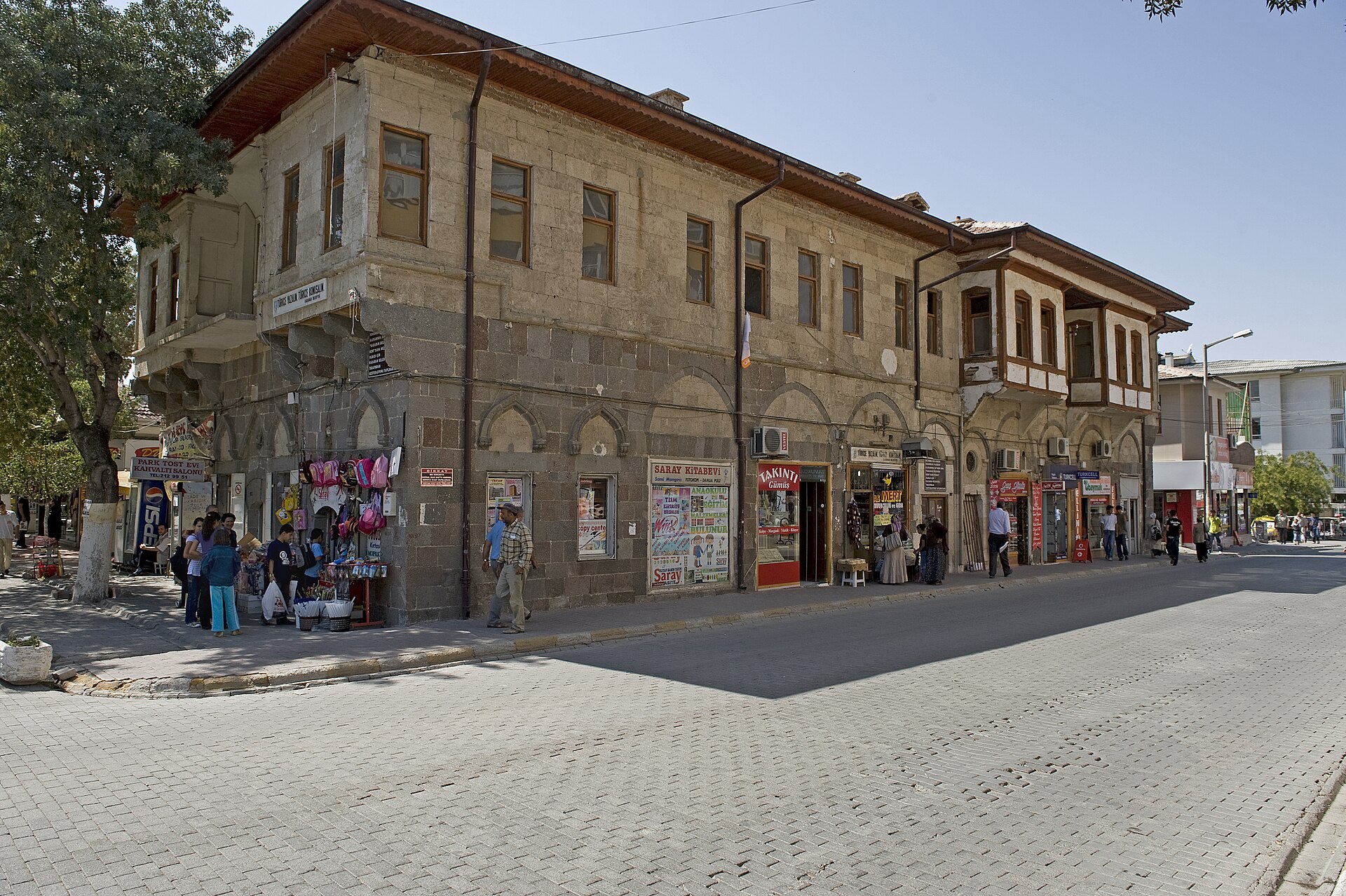
Key facts
- Location: South-central Türkiye, about 100 km south of Konya
- From airports: Nearest airports are Konya and Çukurova; check flights
- Elevation: About 1,039 m (city)
- Best season: Spring and autumn
- Typical visit: 1 to 2 days
- Historic role: Karamanid capital from 1275
- Key sites: Karaman Museum, Aktekke Mosque, Binbirkilise, Manazan Caves
- UNESCO status: No inscribed site in the province in our sources
- Entrance: See official page
What is Karaman and why visit?
Karaman is a province and city in south-central Türkiye, about 100 km south of Konya on the Central Anatolian plateau. It is worth a stop for its Karamanid and Seljuk-era monuments, the Byzantine church ruins of Binbirkilise and the cave settlements of Manazan. It also preserves the story of the 1277 Turkish-language decree.
Moreover, Karaman is quiet and compact. The old centre can be walked in a few hours, and the countryside around it holds the sites that give the province its character. Therefore it suits travellers who already plan to cross Konya, Mersin or Cappadocia and want a day or two of lower-key history.
The table below summarises Karaman at a glance.
| Item | Detail |
|---|---|
| Region | South-central Türkiye, Central Anatolia plateau |
| Province area | 8,678 km² |
| Provincial capital | Karaman (about 100 km south of Konya) |
| Districts | 6: Ayrancı, Başyayla, Ermenek, Karaman, Kazımkarabekir, Sarıveliler |
| Old name | Laranda |
| Main themes | Karamanid heritage, Binbirkilise, Manazan Caves, Sufi history |
What is the history of Karaman?
Karaman has been inhabited since about 8000 BCE, according to the Culture Portal. In antiquity it was Laranda, a name that goes back to the Luwian word Larawanda, meaning a sandy place. The Karamanid Beylik later made it a capital, and the beylik’s 1277 decree promoted Turkish as the language of court.
Early layers include Can Hasan, a Chalcolithic settlement of roughly 5500 to 3000 BC. Later the area passed through Hittite, Phrygian and Lydian rule, then Roman and Byzantine control. The Byzantine period left Binbirkilise and the Manazan Caves, which show how Christian communities used the volcanic and limestone landscape.
The medieval chapter is the most visible one. Karaman Bey took the town in 1256 and, from 1275, it served as the Karamanid capital. As a result, mosques, a madrasa and a castle from that age survive. However, sources differ on the end date: one article describes Ottoman conquest in 1468, while another gives 1486 for the end of the Beylik. Check the museum labels for the dating they use.
Key dates drawn from the sources:
- around 8000 BCE: settled life around Karaman, per the Culture Portal.
- 1222 to 1224: Rumi’s family lives in the town and his mother dies here.
- 1256: Karaman Bey takes the town and the Karamanid Beylik is founded.
- 13 May 1277: Karamanoğlu Mehmet Bey’s decree on the Turkish language.
- 1370: the Aktekke Mosque is built to replace the earlier madrasa.
- 1433: the Ibrahim Bey Mosque and its soup kitchen are built.
- 1465: the Ottomans restore the castle.
What should you see in Karaman?
Start with the Karaman Museum and the castle, then add Binbirkilise and Manazan if you have transport. The city sights group close together, so a walking circuit covers most of them. The countryside sites are scattered, so a hired car or a guided trip works better.
Within the city, the museum follows regional history from the Stone Ages to the Ottoman period. The Aktekke Mosque holds the tombs of Rumi’s mother and other family members. The Yunus Emre Mosque is linked to the poet who spent his later years here.
These are the main places named in our sources:
- Karaman Castle: a three-ring fortress on a knoll in the centre, now a public park.
- Karaman Museum and Hatuniye Medresesi: regional history in a decorated madrasa setting.
- Aktekke Mosque: 1370, with tombs of Rumi’s mother and relatives.
- Yunus Emre Mosque: the tomb of the poet and Sufi mystic.
- Ibrahim Bey Mosque and Imaret: a 1433 complex with a soup kitchen.
- Binbirkilise: roughly 50 Byzantine church ruins on Mount Karadağ.
- Manazan Caves: cave dwellings and storage rooms in a limestone gorge.
- Incesu Cave: a 1,356 m natural cave with stalactites.
The next table lists each place with its type and distance.
| Place | Type | Distance from Karaman centre |
|---|---|---|
| Karaman Museum | Museum | In the city |
| Aktekke Mosque | Mosque, tombs | In the city, about 100 m from the museum |
| Karaman Castle | Fortress, park | In the city |
| Can Hasan | Chalcolithic settlement | About 15 km northeast |
| Manazan Caves | Cave settlement | About 20 km east |
| Binbirkilise | Byzantine ruins | About 30 km north |
| Güldere canyon | Scenic canyon | About 40 km south |
How do you get to Karaman and get around?
Karaman has no major airport of its own, so most visitors arrive by train or bus. Konya is the usual gateway, with high-speed trains linking Karaman to Konya, Ankara and Istanbul. Check the current TCDD timetable before you plan, since schedules change.
Inside the city, walking reaches all the main sights and dolmuşes run along the main streets. For the caves, canyons and Binbirkilise you need your own transport, an organised tour or a negotiated taxi. As a result, many visitors arrange a driver for a half-day loop.
Useful points for getting around:
- The railway station sits on the north edge of the old town.
- The bus station is at the highway junction, about 1 km west of the centre.
- Distances to rural sites are measured from the centre, so ask your driver for a round-trip price first.
- Check current timetables on the official railway site before booking.
The following table compares the main ways to arrive; durations are typical and need checking.
| From | Mode | Typical duration |
|---|---|---|
| Konya | Train (YHT) or bus | About 50 min by train; about 2 h 30 min by bus |
| Ankara | High-speed train or bus | About 3 h by train; about 6 h by bus |
| Istanbul | High-speed train or bus | About 6 h by train; about 12 h by bus |
| Adana | Bus | About 4 h |
| Antalya | Bus | About 8 h |
| Nearest airports | Konya or Çukurova | Fly in, then continue by road or rail |
When is the best time to visit Karaman?
Late spring and early autumn are comfortable for walking and for the rural sites. Karaman has a cold semi-arid climate, with hot, dry summers and cold, snowy winters. The city is very sunny, with almost 3,000 hours of sunshine a year, so sun protection matters in summer.
This table gives a rough seasonal picture based on the climate description.
| Season | Weather | Crowds | Notes |
|---|---|---|---|
| Spring | Mild, variable | Low | Good for Binbirkilise and Manazan; roads can be wet |
| Summer | Hot, dry, sunny | Low to moderate | Start early, carry water and sun protection |
| Autumn | Mild, dry | Low | Comfortable for walking and for rural trips |
| Winter | Cold, snowy | Very low | Some rural roads may be hard; confirm opening with the museum |
How long should you stay in Karaman?
A single day covers the city sights and one rural site; two days allow a relaxed visit to Binbirkilise and Manazan. Longer stays make sense only if you pair Karaman with Konya, Çatalhöyük or a route towards the Mediterranean coast.
The table below suggests three plans.
| Plan | Itinerary | Best for |
|---|---|---|
| Half day | Karaman Museum, Aktekke Mosque, castle park | Stopover between Konya and the coast |
| 1 day | City sights plus Binbirkilise by car or guide | First visit with an interest in Byzantine ruins |
| 2 to 3 days | City, Binbirkilise, Manazan, Incesu Cave and Güldere canyon | History and nature, with slow travel |
What practical tips help in Karaman?
Plan around the weather, bring layers and confirm museum hours on the official page. Karaman is a conservative provincial city, so modest clothing is advisable when entering mosques. Tickets, opening hours and fees change, so use the official page rather than printed guides.
Practical points to keep in mind:
- Dress: cover shoulders and knees for mosques; women usually carry a scarf.
- Tickets: see the official Ministry of Culture and Tourism pages for current fees.
- Accessibility: ruins and cave sites involve uneven ground and steps.
- Safety: roads to rural sites can be narrow; drive in daylight.
- Photography: ask before photographing worshippers; check museum rules.
- Etiquette: remove shoes in mosques and keep voices low.
Where should you stay and eat in Karaman?
Stay near the central İsmet Paşa Caddesi area, where hotels and cheap eating places cluster close to the museum. Another choice is the highway side of town, which suits drivers. Karaman is also known for wheat products, including bulgur and biscuits.
Eating places line İsmet Paşa Caddesi and İstasyon Caddesi. In addition, local confectionery and wheat-based dishes are good to try. Check recent reviews before choosing, since small restaurants change often.
Which places are near Karaman for day trips?
Konya is the main neighbour, 100 km north, with the Mevlana Museum and the route to Çatalhöyük. Mersin and the Mediterranean coast lie to the south. Karaman also works as a base for the Taurus foothills and the village of Görmeli near Ermenek.
Day-trip ideas from Karaman:
- Konya: the Seljuk capital and Mevlana heritage.
- Çatalhöyük: a Neolithic site usually reached through Konya.
- Mersin: the Mediterranean coast to the south.
- Adana: regional city with its own museums.
- Niğde and Nevşehir: routes towards Cappadocia.
Plan this with TurkGT
TurkGT is an Istanbul-based travel company. We offer guided tours, private transfers, guides and interpreters, and we can build a Karaman and Konya route around your dates. Contact us on WhatsApp and we will confirm the options for your group.
Frequently asked questions
Where is Karaman?
Karaman is in south-central Türkiye, about 100 km south of Konya, on the Central Anatolian plateau.
What is Karaman known for?
It is known for the Karamanid Beylik, the 1277 decree on the Turkish language and the Byzantine ruins of Binbirkilise.
How do I get to Karaman from Istanbul?
The sources mention a high-speed train of about 6 hours and a bus of about 12 hours. Check the current timetable on the official railway site.
What is Binbirkilise?
It is a region about 30 km north of Karaman on Mount Karadağ with roughly 50 Byzantine church ruins, even though the name means 1,001 churches.
Is Karaman worth a day trip from Konya?
Yes. The two cities are about 100 km apart, and Karaman adds Karamanid monuments and rural Byzantine sites.
What are the Manazan Caves?
They are cave rooms in a limestone gorge about 20 km east of Karaman, enlarged in the Byzantine period for dwelling, storage and burial.
Do I need a car in Karaman?
The city centre is walkable, but the caves, canyons and Binbirkilise need a car, a taxi or an organised tour.
What is the best season for Karaman?
Spring and autumn are mild. Summers are hot and dry, and winters are cold and snowy.
Sources
- Wikipedia: Karaman Province
- Türkiye Kültür Portalı: Karaman
- GoTürkiye: Karaman
- Wikipedia: Karaman
- Wikivoyage: Karaman
- Wikipedia: Binbirkilise
Last reviewed: 2026-11-18. Opening hours, ticket prices and other changeable details are not listed because they change; check the official source before you travel.