
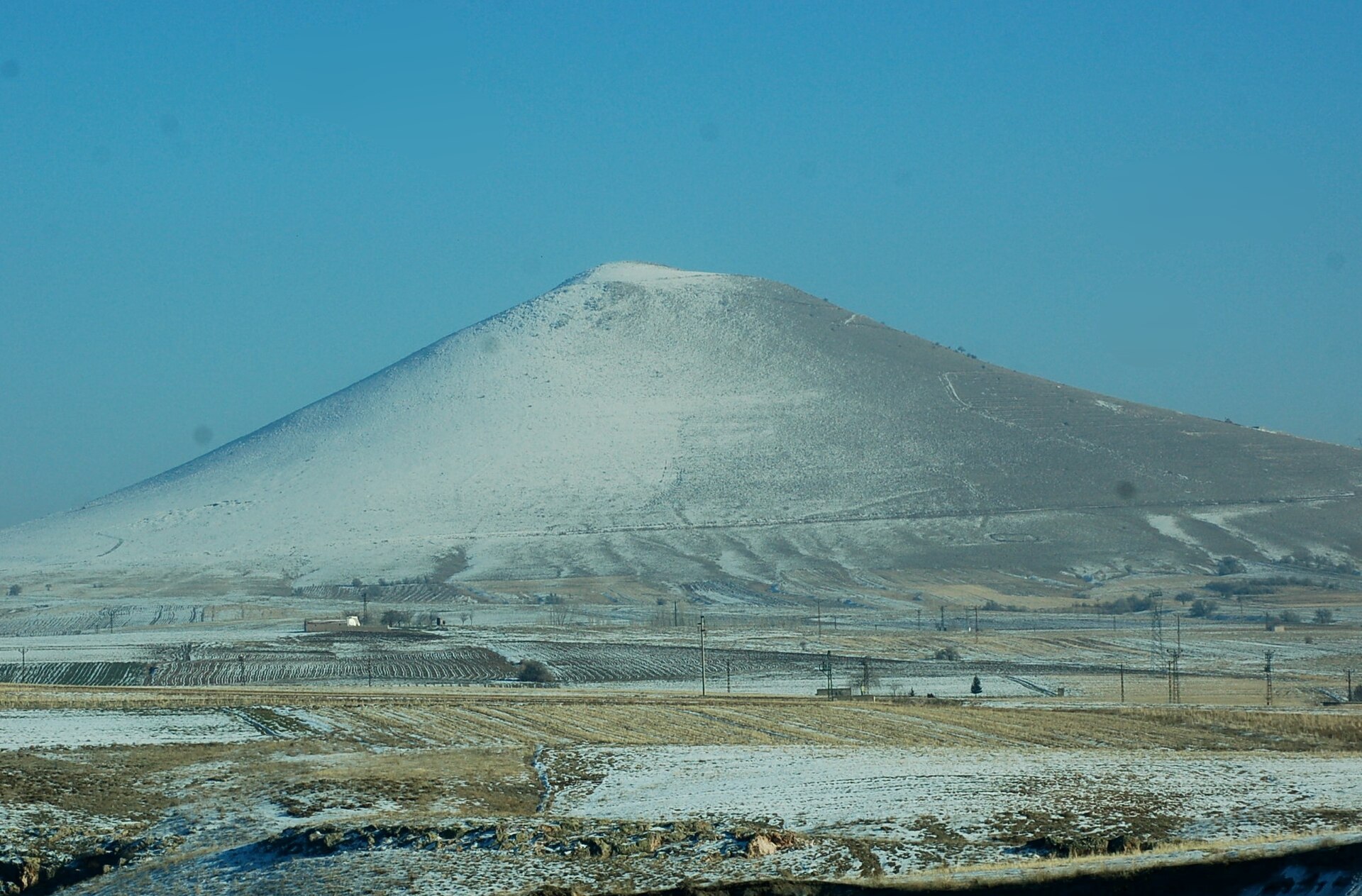
Niğde is a province in the southern part of Central Anatolia and one of the four Cappadocia provinces. It is known for Seljuk monuments, the Roman site of Tyana, the rock-cut Gümüşler Monastery and the Aladağlar climbing area. Mountains surround it on three sides.
Key facts
- Location: Southern Central Anatolia; one of four Cappadocia provinces
- Capital: Niğde
- Districts: 6: Altunhisar, Bor, Çamardı, Çiftlik, Niğde, Ulukışla
- From airports and cities: By road from Kayseri, Nevşehir, Adana and Ankara; check current timetables
- Mountains: Taurus (Aladağlar, Bolkar), Mount Hasan, Melendiz
- Best season: Late spring and early autumn; mountains depend on snow
- Typical visit time: 1 to 2 days; more for trekking
- UNESCO status: No UNESCO site named by our sources in the province
- Ancient name: Nahita (Nakita)
- Entrance: See official page of each site
What is Niğde and why visit?
Niğde is a province in the southern part of Central Anatolia, ringed by mountains. Visitors come for the Aladağlar climbing area, Seljuk mosques and tombs, the Roman site of Tyana and the rock-cut Gümüşler Monastery. Moreover, Niğde is one of the four Cappadocia provinces, so it pairs easily with Nevşehir and Aksaray.
The capital, also called Niğde, sits below a castle hill with a clock tower. The province is surrounded on three sides by the Taurus Mountains, Mount Hasan and the Melendiz Mountains. As a result, travellers can combine city heritage with mountain days in one trip.
What is the history of Niğde?
People have lived in the Niğde area since the Paleolithic, and the province later passed through Hittite, Persian, Roman, Byzantine, Seljuk and Ottoman rule. The Culture Portal says the Ottomans added Niğde in 1470-71 under Mehmed the Conqueror. Therefore the monuments here range from Bronze Age mines to 19th-century churches.
The name first appears as Nahita in Late Hittite inscriptions. Wikipedia links it to the Iranian goddess Anahita. After the 11th century the area turned Turkish and came under the Seljuks, and Niğde became a province in 1924.
Key moments named by the sources:
- Paleolithic: early human presence is recorded in the area.
- c. 3000 BC onward: Hittites settled in the region.
- c. 1170-710 BC: Late Hittite period; Tyana was then called Tuwanuwa.
- 2nd century AD: the Roman Pool at Tyana was built.
- 1075: Byzantine control ended; Seljuk rule followed.
- 1470-71: Niğde joined the Ottoman lands.
- 1924: Niğde became a province.
What are the main sights to see in Niğde?
The Seljuk and Ilkhanid monuments in the city, Tyana at Kemerhisar and Gümüşler Monastery are the core sights. In addition, the Aladağlar mountains attract climbers and trekkers. The highlights are spread over the province, so group them by area.
These sights appear in the official Go Türkiye guide and the Culture Portal.
- Alaaddin Mosque, built in 1223, with a legend about a carved portrait in the portal shadows.
- Sungur Bey Mosque, with a crown gate decorated with twelve animals.
- Hüdavent Hatun Tomb, built in 1312-1313, an octagonal tomb.
- Niğde Castle and the clock tower that symbolises the city.
- Tyana archaeological site, aqueducts and the Roman Pool at Kemerhisar.
- Gümüşler Monastery, carved into a large rock mass.
- Göltepe-Kestel, an early Bronze Age tin mine and settlement.
At a glance: Niğde sights
| Sight | Period | Notes |
|---|---|---|
| Alaaddin Mosque | 1223 | Still used for worship |
| Sungur Bey Mosque | c. 1335 | Animal reliefs on crown gate |
| Hüdavent Hatun Tomb | 1312-1313 | Octagonal Seljuk-era tomb |
| Tyana and Roman Pool | 2nd century | At Kemerhisar; finds in Niğde Museum |
| Gümüşler Monastery | 8th-12th century (believed) | Rock-cut, with murals |
| Göltepe-Kestel | Early Bronze Age | Tin mining site |
How do you get to Niğde and get around?
Niğde is reached by road and rail from Ankara, Kayseri, Adana and the Cappadocia towns. Nearby airports include Kayseri and Nevşehir Cappadocia, and services vary by season. Please check current timetables before you plan, because we do not list fares or times here.
Niğde lies on the ancient King’s Road. Most sights are outside the centre, such as Tyana at Kemerhisar, Gümüşler, Porsuk Tumulus (55 km from the centre) and Göllüdağ (60 km). Therefore a car or private driver is the practical choice.
Typical ways to reach and tour Niğde
| Option | Notes | Check |
|---|---|---|
| Private car or transfer | Best for Gümüşler, Tyana and remote sites | Route and duration |
| Intercity bus | Links Niğde with nearby provinces | Current timetable |
| Train | Rail line serves the area | Current timetable |
| Flight plus road | Fly to Kayseri or Nevşehir, then drive | Airline schedules |
| Local taxi | Handy inside the city | Fare and availability |
When is the best time to visit Niğde?
Late spring and early autumn suit both city sightseeing and walking. Mountain routes in the Aladağlar and Bolkar ranges depend on snow, since Wikipedia notes both ranges are used for winter sports. Therefore check conditions and local guidance before any trek.
Seasons in Niğde, with general planning advice
| Season | Weather | Notes |
|---|---|---|
| Spring | Mild at lower levels; snow on high peaks | Good for sights; mountain routes may still be snowy |
| Summer | Warm; best conditions in the mountains | Busiest for climbing and trekking |
| Autumn | Cooler and usually clear | Comfortable for city and valley visits |
| Winter | Cold; snow in the mountains | Winter sports in the ranges; check roads |
How long should you stay in Niğde?
One day covers the city monuments, the museum and Gümüşler. Two days add Tyana and the Bronze Age sites. A trekking trip to the Aladağlar needs more time and local guidance.
Suggested plans by time available
| Time | Plan | Focus |
|---|---|---|
| Half day | Castle, Alaaddin Mosque, Niğde Museum | City heritage |
| 1 day | Add Sungur Bey Mosque and Gümüşler Monastery | Seljuk art and rock-cut murals |
| 2 days | Add Tyana, Roman Pool, Göltepe-Kestel | Roman and Bronze Age sites |
| 3 days or more | Add Aladağlar trekking or climbing | Mountains with local guide |
What practical tips help when visiting Niğde?
Dress modestly for mosques and tombs, carry water and wear sturdy shoes. Check the official page of each museum or site for entrance details and hours, because we do not publish fees. In addition, the Aladağlar are a serious mountain area, so go with experienced guides.
Useful reminders for this province:
- Mosques: cover shoulders and knees, and remove shoes.
- Mountains: weather changes fast; share your route and use local guidance.
- Remote sites: some, such as Göllüdağ, are far from the centre.
- Accessibility: castle hill, ruins and rock-cut sites involve steps and uneven ground.
- Photography: follow signs, especially inside the monastery.
Where to stay and eat in Niğde?
Most visitors stay in Niğde city, near the castle hill and the old houses on Kadıoğlu and Cullaz streets, or in villages near the Aladağlar such as Demirkazık. We list no business names; check current availability. The Culture Portal names sarım burma, koruklu bamya, saç kapama and parça etli pirinç pilavı among local dishes, and Niğde is known for apples, cherries and carpets.
What are the nearby places and day trips from Niğde?
Niğde sits next to Aksaray, Nevşehir and Kayseri, so day trips fit easily. Ihlara Valley is in Aksaray, and Göreme and the underground cities lie in Nevşehir. Moreover, Adana and Mersin are the nearest big coastal provinces to the south.
Ideas for add-ons:
- Ihlara Valley and Selime in Aksaray.
- Göreme and Cappadocia rock sites.
- Derinkuyu and Kaymaklı underground cities.
- Kayseri to the northeast.
- Konya and the Mevlana Museum, linked by the Shams-i Tabrizi tradition.
Plan this with TurkGT
TurkGT is an Istanbul-based travel company. We can arrange guided trips, private transfers, a local guide or an interpreter for Niğde and nearby Cappadocia. Send us your dates and interests, and we will confirm the details with you by WhatsApp.
Frequently asked questions
Where is Niğde?
Niğde is a province in the southern part of Central Anatolia, with the city of Niğde as its capital.
What is Niğde known for outdoors?
The Aladağlar range, which Wikipedia describes as one of the most popular climbing venues in Türkiye.
Is Niğde part of Cappadocia?
Wikipedia lists Niğde, Aksaray, Nevşehir and Kayseri as the four Cappadocia provinces.
What is Tyana?
Tyana was a Roman-era city at Kemerhisar, known for its aqueducts and Roman Pool; finds are shown in the Niğde Museum.
Where does the name Niğde come from?
The Culture Portal says it first appears as Nahita in Late Hittite inscriptions; Wikipedia links it to the goddess Anahita.
How many days do I need in Niğde?
One day covers the city and Gümüşler. Two days add Tyana; mountain trips need more time.
When should I go?
Late spring and early autumn suit sightseeing. Mountain routes depend on snow, so check conditions.
Do I need to pay to enter the sights?
Some sites have fees and set hours. Check the official page of each museum or site.
Sources
- Niğde Province – Wikipedia
- Niğde – Ministry of Culture and Tourism, Culture Portal (general information, Turkish)
- Top Things to See in Niğde – GoTürkiye
Last reviewed: 2026-11-18. Opening hours, ticket prices and other changeable details are not listed because they change; check the official source before you travel.