
Spring and autumn are the safest seasons for walking Şanlıurfa and its open-air sites. Summer is hot in the southeast, so plan early starts and indoor breaks. Winter suits museums and the bald ibis release season, though you should dress for cooler days.
Key facts
- Best seasons: Spring and autumn for open-air sites
- Summer: Hot; start early and rest at midday
- Winter: Good for museums and indoor visits
- Bald ibis release: Late January to February; confirm visiting hours locally
- Indoor option: Archaeology and Mosaic Museum
- Water option: Balıklıgöl gardens
When is the best time to visit Şanlıurfa?
Spring and autumn give the most comfortable conditions for walking and for open-air sites such as Göbekli Tepe and Harran. Summer works if you accept early starts. Winter is quieter, and it suits museum days. We do not quote exact temperatures, so check a forecast near your dates.
Quick seasonal summary:
- Spring: comfortable for long walks.
- Summer: early mornings and evenings only.
- Autumn: comfortable again for day trips.
- Winter: indoor sights and the ibis season.
The table matches seasons to activities.
| Season | Best for | Plan around |
|---|---|---|
| Spring | Göbekli Tepe, Harran, old-city walks | Possible variable weather |
| Summer | Early morning visits, evening walks | Midday heat |
| Autumn | Day trips and Halfeti boats | Shorter daylight later in the season |
| Winter | Museums, bazaars, bald ibis | Cooler days and shorter daylight |
What should you do in hot months?
Visit open-air sites at opening time and go indoors at midday. Therefore, schedule the museum or a covered bazaar after lunch, then return to Balıklıgöl in the evening when the gardens are pleasant.
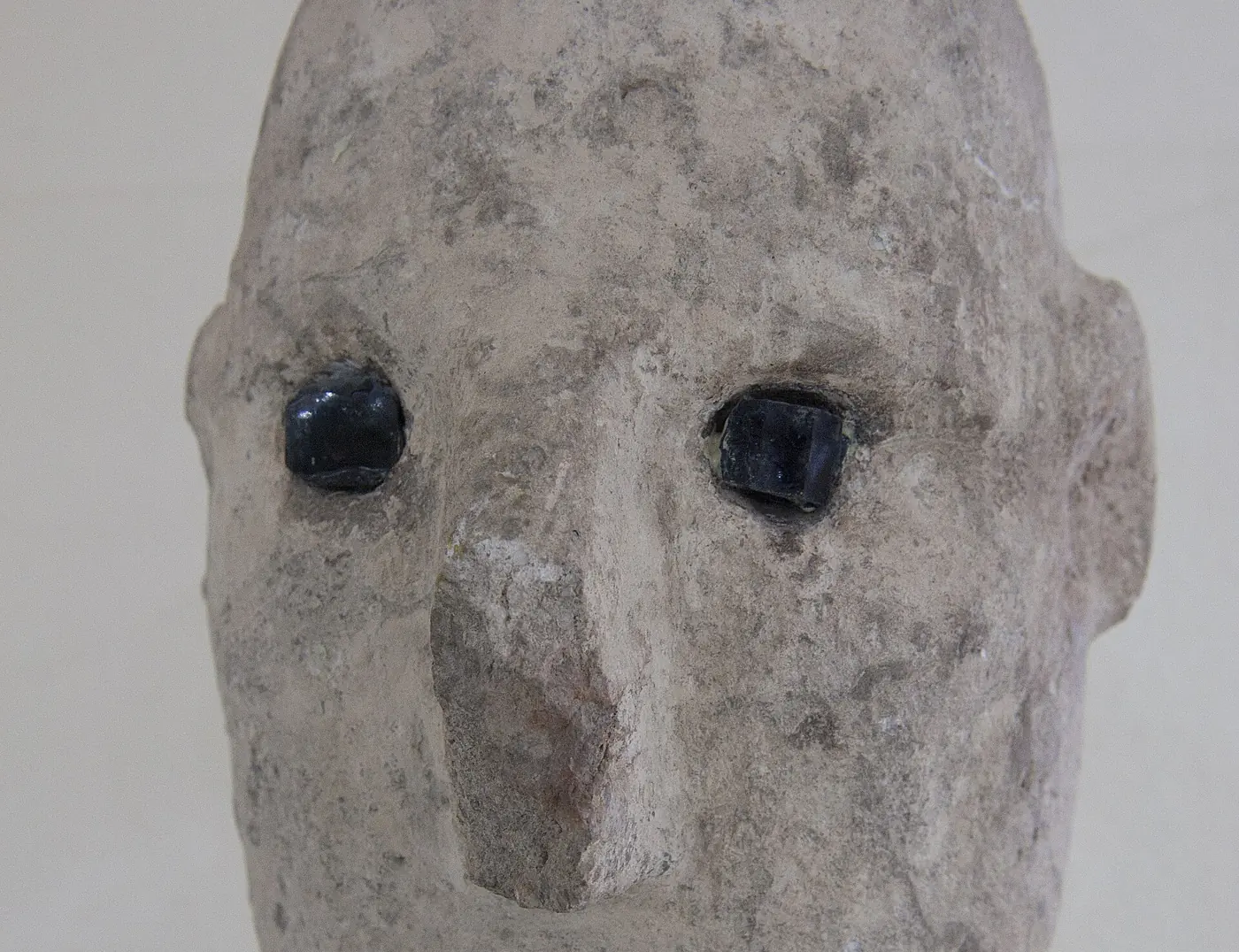
1 Şanlıurfa Müzesi
The museum holds finds from Edessa, Göbekli Tepe, Karahan Tepe and Harran, so it works as an indoor stop on a hot day.
- Collections: Edessa, Göbekli Tepe, Karahan Tepe, Harran
Show map
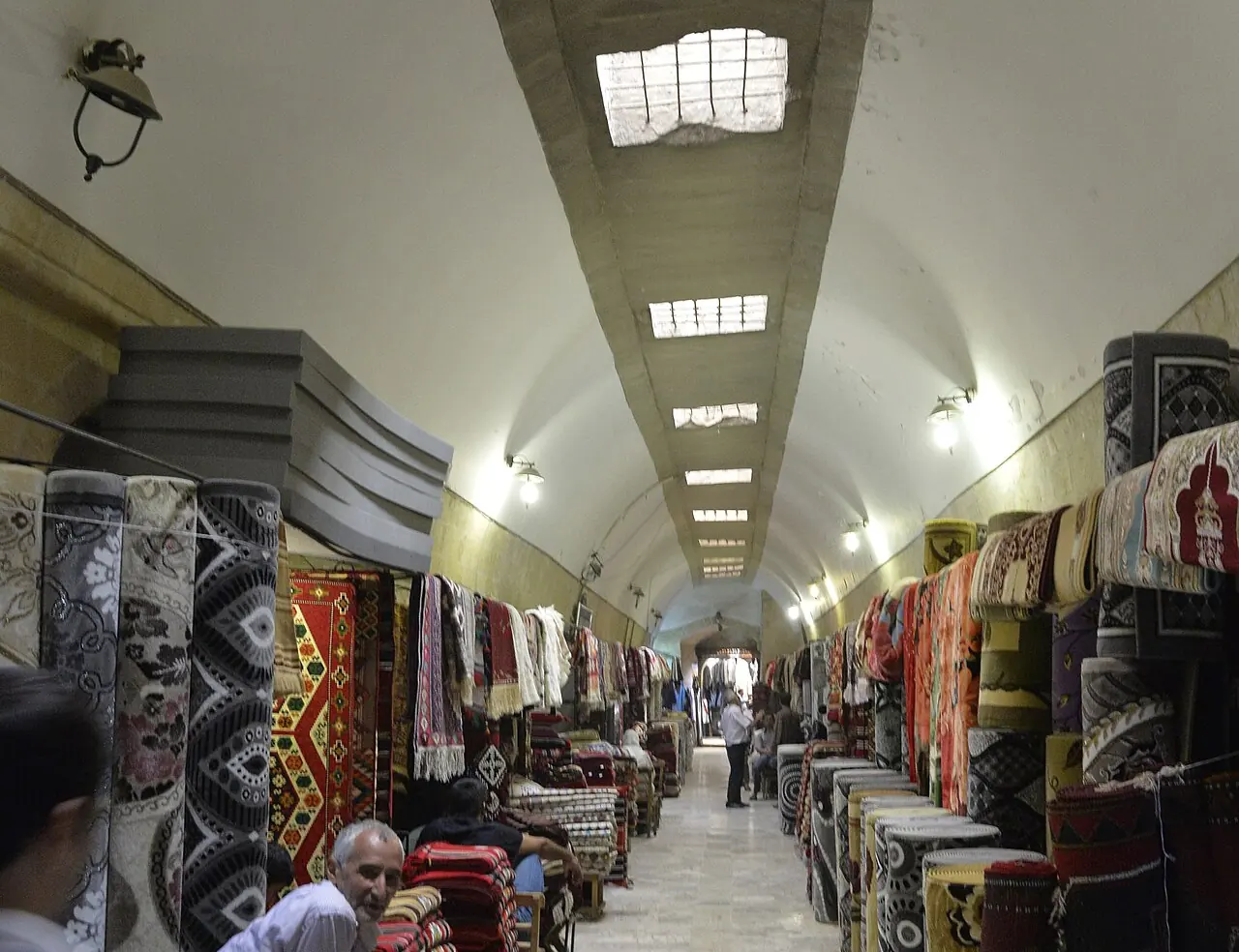
2 Bedesten (Kazzaz Pazarı)
The covered Bedesten sells fabrics, silk and traditional clothing and gives shade in the old bazaar district.
- Sells: Fabrics, silk, traditional clothing
Show map
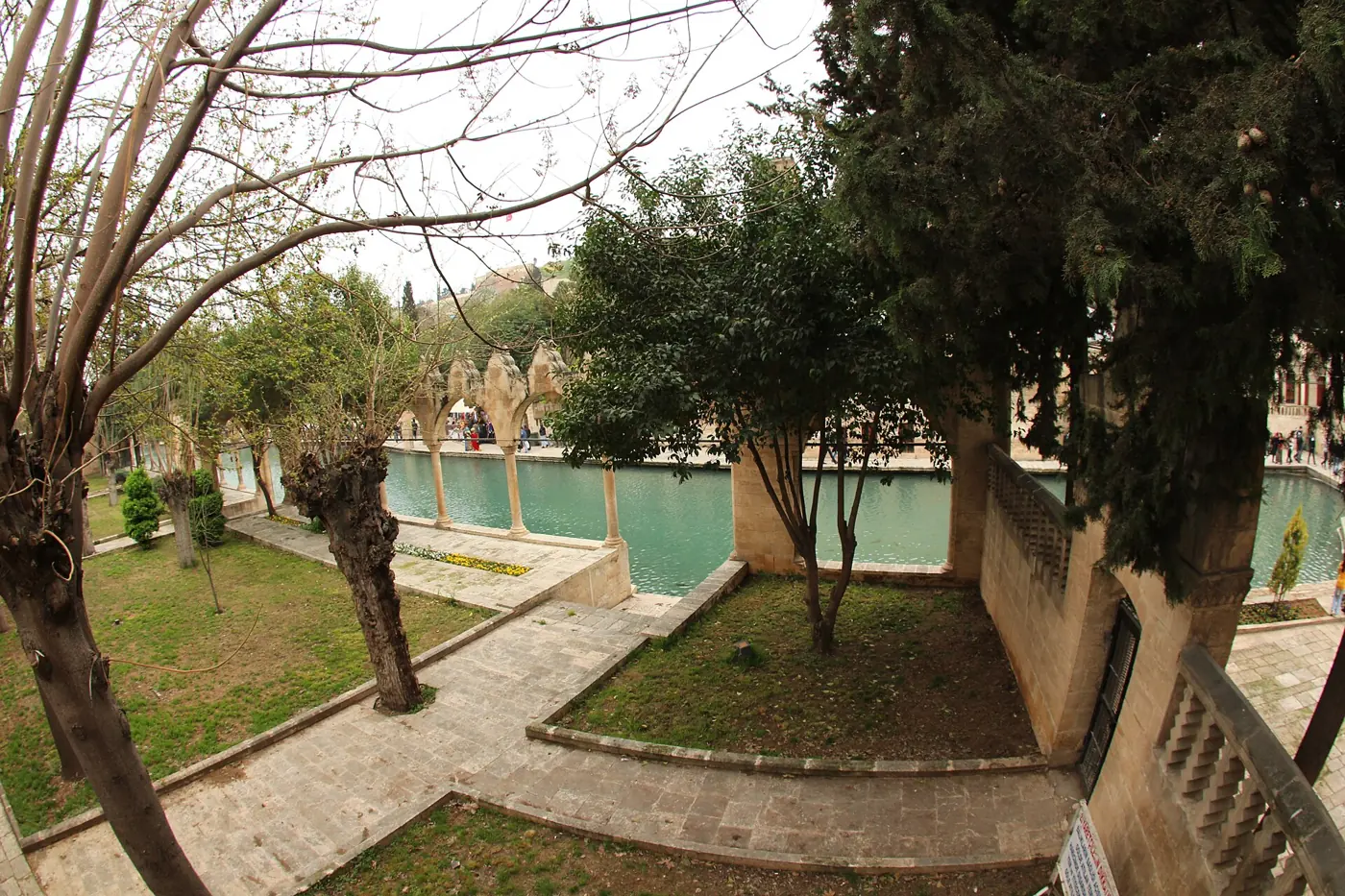
3 Balıklıgöl (Halil-ur-Rahman Lake)
Balıklıgöl is a garden plateau with a sacred pool and is free to enter according to our tags. It is a good evening stop.
- Setting: Beside Halil-ur-Rahman Mosque and Aynzeliha pool
Show map
What suits spring and autumn?
These seasons suit longer excursions. Göbekli Tepe, Harran and the Euphrates towns are easier when you are not fighting the heat. However, always check opening hours and access conditions before you travel.
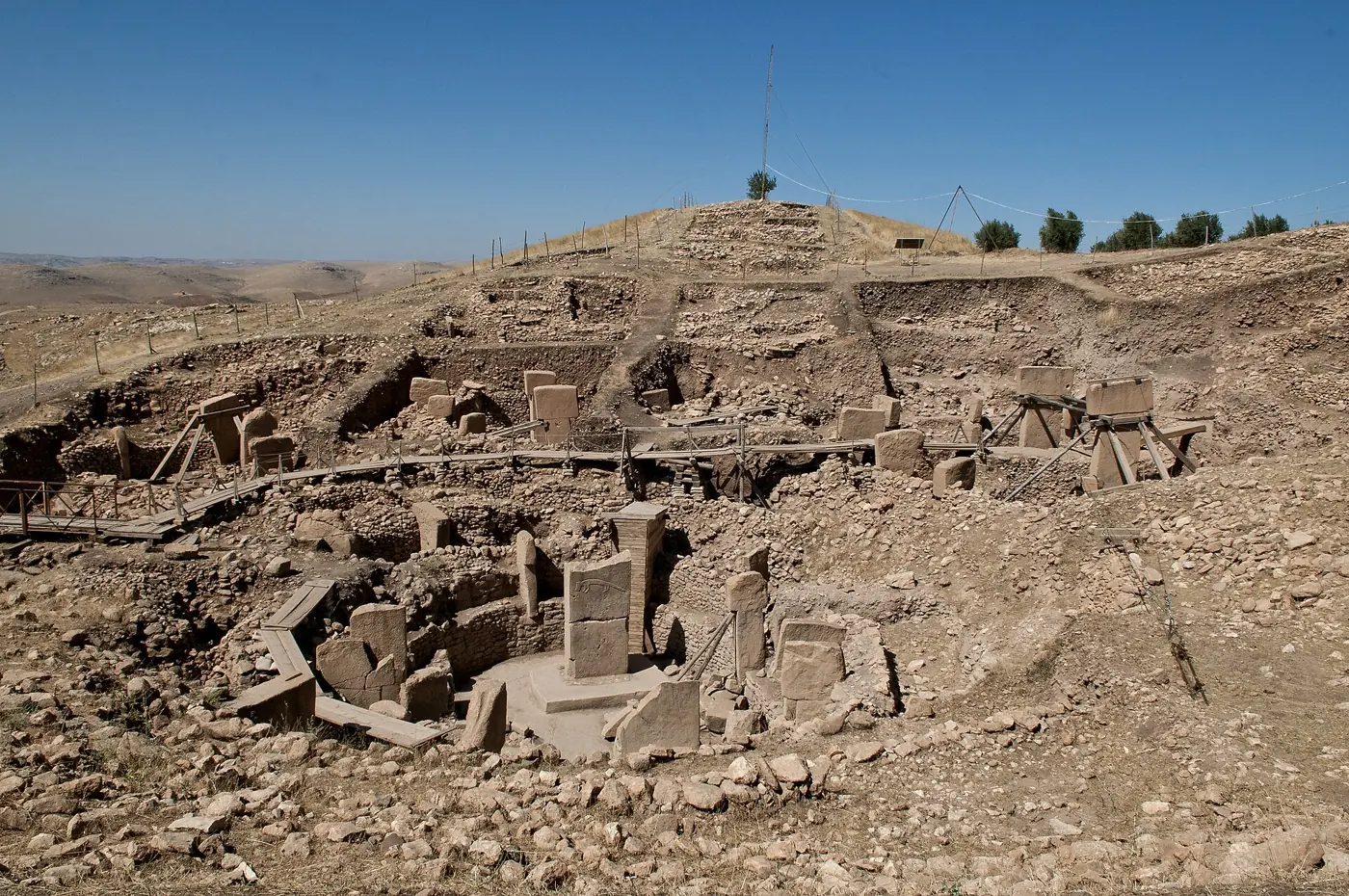
4 Göbeklitepe
Göbekli Tepe is an open-air Neolithic site with carved T-shaped pillars, best visited in comfortable weather.
- Occupied: c. 9500 to 8000 BCE
Show map
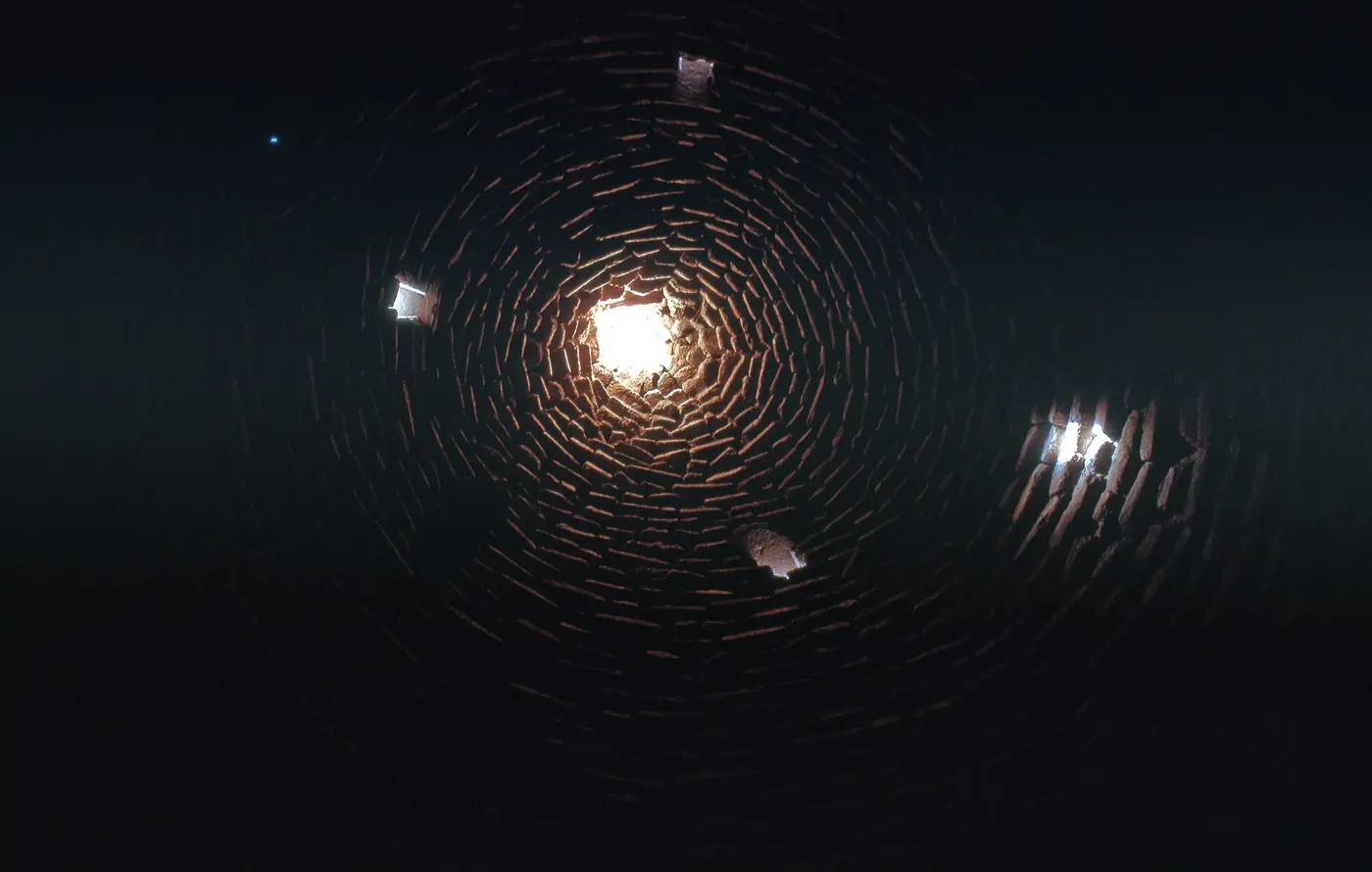
5 Harran
Harran is known for beehive houses and ruins, and it is a good spring or autumn half day.
- Distance: About 40 km from Şanlıurfa
Show map
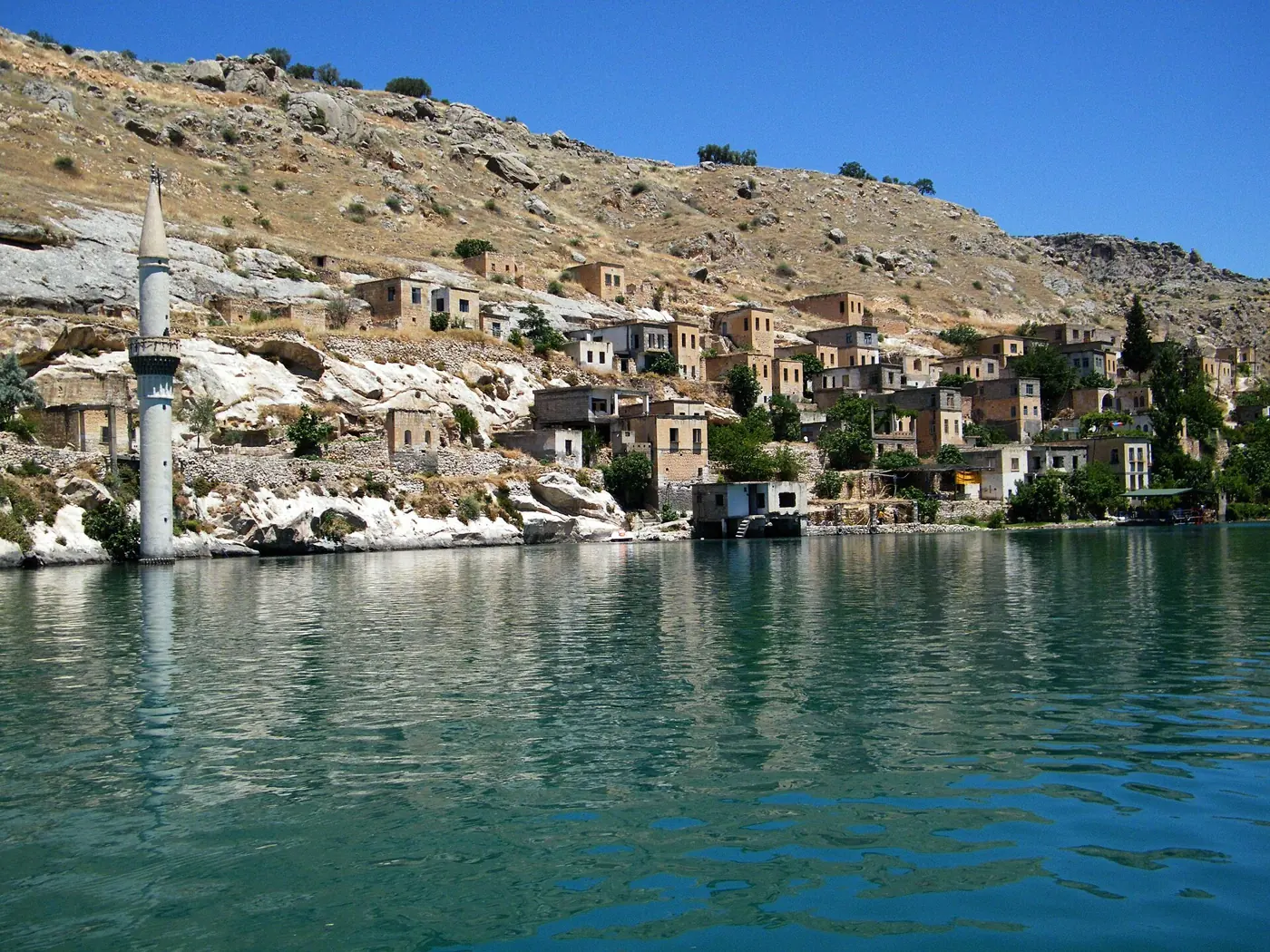
6 Halfeti Batık Cami
The sunken mosque is reached by boat tours from Halfeti, so choose a calm, clear day.
- Access: Boat tours from Halfeti
Show map
Is winter a good season for Şanlıurfa?
Yes, if you focus on museums, bazaars and short outdoor walks. Winter is also the time of year when the Birecik bald ibis station releases birds, in late January and February according to our source. Confirm visiting hours locally, because they can change.
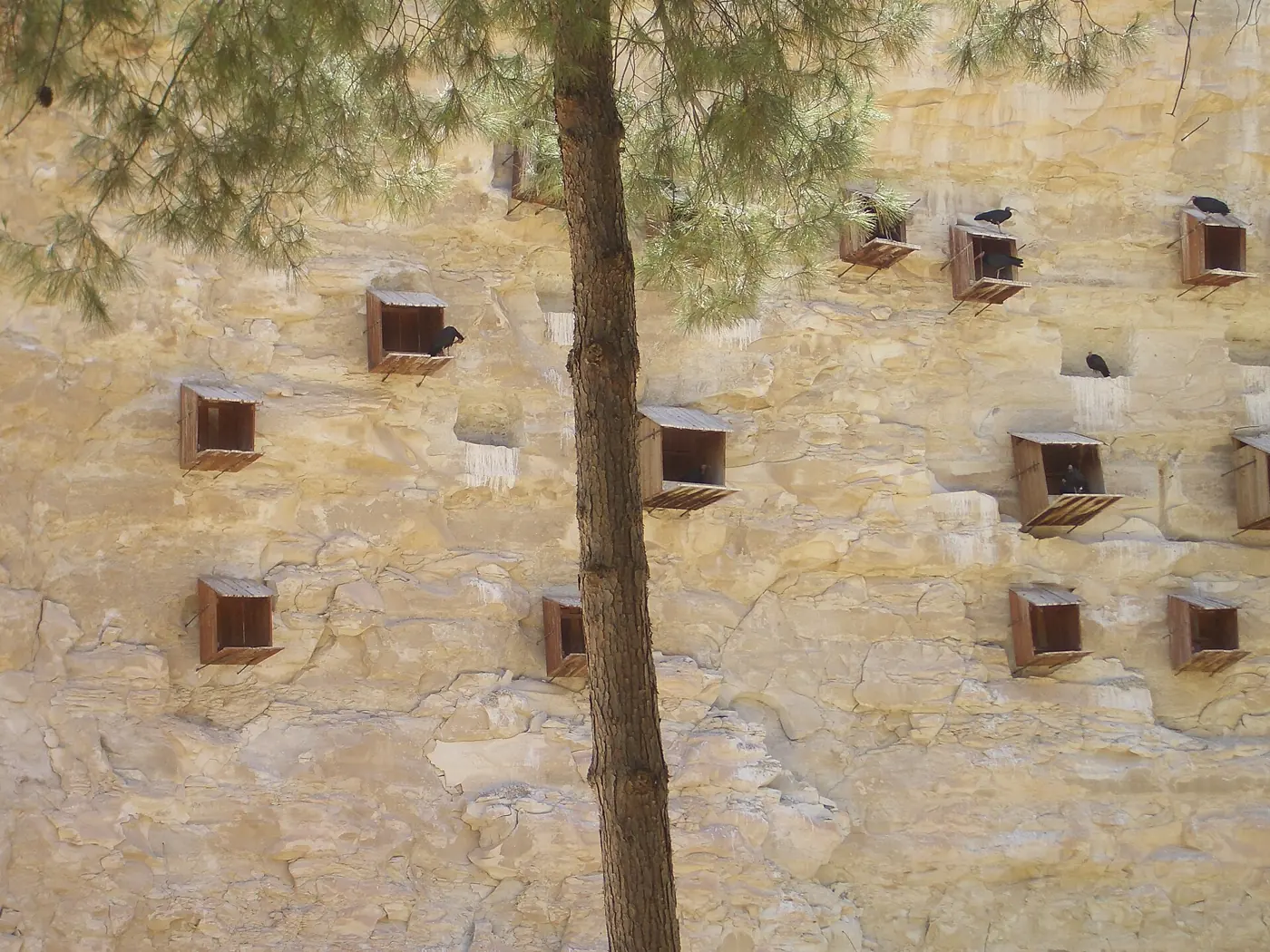
7 Birecik Kelaynak Üretme İstasyonu
The station was set up in 1977 for the critically endangered Northern Bald Ibis. Birds are released from late January to February, but confirm visiting hours locally.
- Established: 1977
- Species: Northern Bald Ibis (Kelaynak)
Show map
How did we choose what to include?
We chose places using official classifications, location, and details from official or encyclopedic sources. We do not accept payment for placement. Moreover, opening hours, prices and ratings change often, so we send you to Google Maps through each card button instead of quoting scores.
Sample plans by season
Match your day length and temperature to your plan. In summer, take the early slot for outdoor sights. In winter, put the museum in the middle of the day.
A flexible half-day layout.
| Season | Morning | Afternoon | Evening |
|---|---|---|---|
| Summer | Göbekli Tepe | Museum or hotel rest | Balıklıgöl |
| Spring/Autumn | Harran | Bazaars | Dinner in old city |
| Winter | Museum | Bazaars | Early dinner |
How should you plan around daylight and heat?
In the southeast, the middle of the day can be the hardest time for walking. Therefore, plan outdoor sights early and keep the afternoon for indoor stops, lunch and rest. Moreover, evenings in the old city are pleasant for a slow walk around the pools and gardens.
Daylight also changes by season. In winter, days are shorter, so start earlier if you want to see several sights. In summer, a late dinner is common, which gives you time to rest first.
A simple rhythm for most seasons:
- Early morning: open-air sites.
- Midday: museum, lunch or hotel rest.
- Late afternoon: bazaars and short walks.
- Evening: garden walk and dinner.
The table compares the main trade-offs by season.
| Season | Advantage | Trade-off |
|---|---|---|
| Spring | Comfortable walking | Weather can vary |
| Summer | Long days | Midday heat |
| Autumn | Comfortable day trips | Daylight shortens |
| Winter | Quiet sights | Cooler days |
How do religious calendars affect your trip?
Şanlıurfa is a pilgrimage city, so religious periods can change how busy the Dergah area feels. Check the religious calendar when you choose your dates, because crowds, prayer times and restaurant hours may shift. However, we do not list specific dates here, so confirm them with a current calendar.
Dress modestly at all religious sites in every season. Moreover, a guide can explain customs and help you time your visit to quieter hours.
How do you choose the best month for your own plan?
Start with your main goal. If you want long walks and the Euphrates boats, choose spring or autumn. If you want a quiet museum-focused trip, winter can work well. If you can only travel in summer, plan for early starts and late evenings. Therefore, the right month depends on what you want to see, not on a single answer.
Also think about who travels with you. Children and older travellers handle heat less easily, so give them more rest. Moreover, check school holidays and religious periods, because they can change how crowded the city feels.
Ask yourself:
- Do I prefer long outdoor days or indoor visits?
- Am I travelling with children or older relatives?
- Do I want the bald ibis release season?
- Can I start early each day?
The table links goals to seasons.
| Goal | Suggested season | Tip |
|---|---|---|
| Open-air archaeology | Spring or autumn | Start early |
| Euphrates boat trip | Spring or autumn | Check boat availability |
| Bald ibis season | Late winter | Confirm visiting hours |
| Quiet museum trip | Winter | Dress warmly |
What should you pack for each season?
Pack for the season and for modest dress. Light, breathable clothes suit summer, and a warmer layer suits winter. Comfortable walking shoes matter in every season, because the old city has stone streets. Moreover, a hat, sunscreen and a water bottle help on day trips.
Carry a cover for mosque visits all year. Therefore, you can enter religious sites without changing your plans.
How do you keep the plan flexible across seasons?
Plan the day in blocks and keep every block short. Group nearby sights together, and leave a gap for tea, rest and unexpected stops. Moreover, tell your hotel what time you will return, so dinner and check-in run smoothly.
Check the official page or Google Maps for each place before you leave. Hours, access rules and restoration work can change without notice. Therefore, a quick check saves time and avoids disappointment at the gate.
Finally, keep the plan flexible. Weather, crowds and energy levels all change during a trip. In contrast to a rigid schedule, a flexible plan lets you stay longer where you enjoy the place and skip what you do not need.
Moreover, local knowledge improves any plan. Ask your hotel host or driver which hours suit each sight, and which streets are easiest to walk. They often know when a site is quiet and when a queue forms. Therefore, a short conversation each morning can improve the whole day, and it costs nothing. Keep notes about what you liked, so you can adjust the next day.
Practical tips for any season
Carry water, sun protection and a modest cover for mosque visits. Check each place’s page or Google Maps for current hours and details before you go.
Frequently asked questions
What is the best season for Şanlıurfa?
Spring and autumn are the most comfortable for open-air sites.
Is Şanlıurfa hot in summer?
The southeast is hot in summer, so visit outdoor sites early and rest at midday.
Can I visit in winter?
Yes. Museums and bazaars work well, and the bald ibis release falls in late January and February.
When are the bald ibis released at Birecik?
Late January to February according to our source. Confirm visiting hours locally.
What indoor sights are there?
The Archaeology and Mosaic Museum and the covered Bedesten are good options.
Do you give monthly temperature figures?
No. Check a current forecast for your dates.
Plan this with TurkGT
TurkGT can arrange a private car with driver, a licensed guide and hotel booking timed for the best part of the day. Send your dates and group size to TurkGT by WhatsApp or through the contact form, and we will confirm the details.
Request a booking
Related guides
- Getting to Şanlıurfa: Airport, Buses and Day-Trip Transport
- Şanlıurfa in 2 Days: A Step-by-Step Itinerary
- Şanlıurfa for Arab Families: Practical Travel Tips
- Best Hotels in Sanliurfa: Top 10 Picks by Area and Style
- Best Restaurants in Şanlıurfa: Top Picks in the Old City
- Top Sights in Şanlıurfa: A Visitor’s Guide
- Day Trips from Sanliurfa: Harran, Halfeti and Karahan Tepe
Related destinations and attractions
Explore more city guides
Sources
Last reviewed: 2026-11-21.