
Şanlıurfa’s essential sights are Balıklıgöl and its mosques, the hilltop castle, the Archaeology and Mosaic Museum, the covered bazaar and Göbekli Tepe. Harran and Halfeti make strong day trips. Most city sights sit within walking distance of each other, so one full day covers the centre.
Key facts
- Province: Şanlıurfa, Southeastern Anatolia
- Core area: Balıklıgöl and the old bazaar, Eyyübiye district
- Best known for: Abraham tradition, Neolithic sites, mosaics
- Nearest big site: Göbekli Tepe, about 15 km from the city
- Day trips: Harran, Halfeti, Karahan Tepe
- Dress: Modest clothing at mosques and shrines
- Check before you go: Hours and fees on each place’s page or Google Maps
What are the top sights in Şanlıurfa?
The top sights in Şanlıurfa are Balıklıgöl with the Halil-ur-Rahman Mosque, Şanlıurfa Castle, the Archaeology and Mosaic Museum, the Gümrük Han bazaar area and Göbekli Tepe. Together they cover pilgrimage, archaeology and daily city life. Moreover, most of them lie close to each other in the city centre.
Şanlıurfa is often called the city of prophets because of its Abraham tradition. However, the province is also one of the oldest settled regions in the world. Therefore a good visit mixes sacred sites with Neolithic and Roman-period history.
Visitors often ask whether Şanlıurfa is worth more than a stopover. The answer is yes, because the city combines living religious traditions with some of the oldest known monumental architecture. The old centre is compact, which keeps travel time low and leaves energy for the sites outside the city.
For first-time visitors, the simplest rule is to pair one sacred site with one archaeological site each day. This keeps the pace balanced and avoids fatigue. Moreover, it lets you eat well in between, since the city is known for its regional cooking.
How did we choose these sights?
We chose these places from official classifications, location and details in official or encyclopedic sources. We do not accept payment for placement. Opening hours, fees and visitor feedback change, so check each place’s page or Google Maps before you go.
We also balanced the list. Some entries are free outdoor spaces, others are museums or archaeological sites. In contrast to a pure ranking, this keeps the plan practical for families and mixed groups.
We start from official classification and location, then check each place against encyclopedic or official sources. Because we do not take payment for placement, a place appears here only if its role in the city is clear. Therefore the list favours heritage value over marketing.
Which places should you see first?
Start with the places in the old centre. Balıklıgöl, the nearby mosques and the castle form a compact core. Next, add the museum and the bazaar. Finally, reserve a separate half day for Göbekli Tepe, since it lies outside the city.
Each card explains why a place matters for this particular trip. In addition, the facts under each card come from the sources listed at the end of the guide. Where a source gives a range of dates, we say so rather than choosing one.
Photographers will enjoy the castle at dusk, the pool in early light and the beehive houses of Harran in the afternoon. However, remember to ask before photographing people, especially near religious sites. Respectful behaviour keeps these places welcoming for everyone.
Our core list, in a sensible visiting order:
- Balıklıgöl and the Dergah complex
- Şanlıurfa Castle for the view over the old city
- Archaeology and Mosaic Museum
- Gümrük Han and the Bedesten
- Göbekli Tepe as a half-day trip
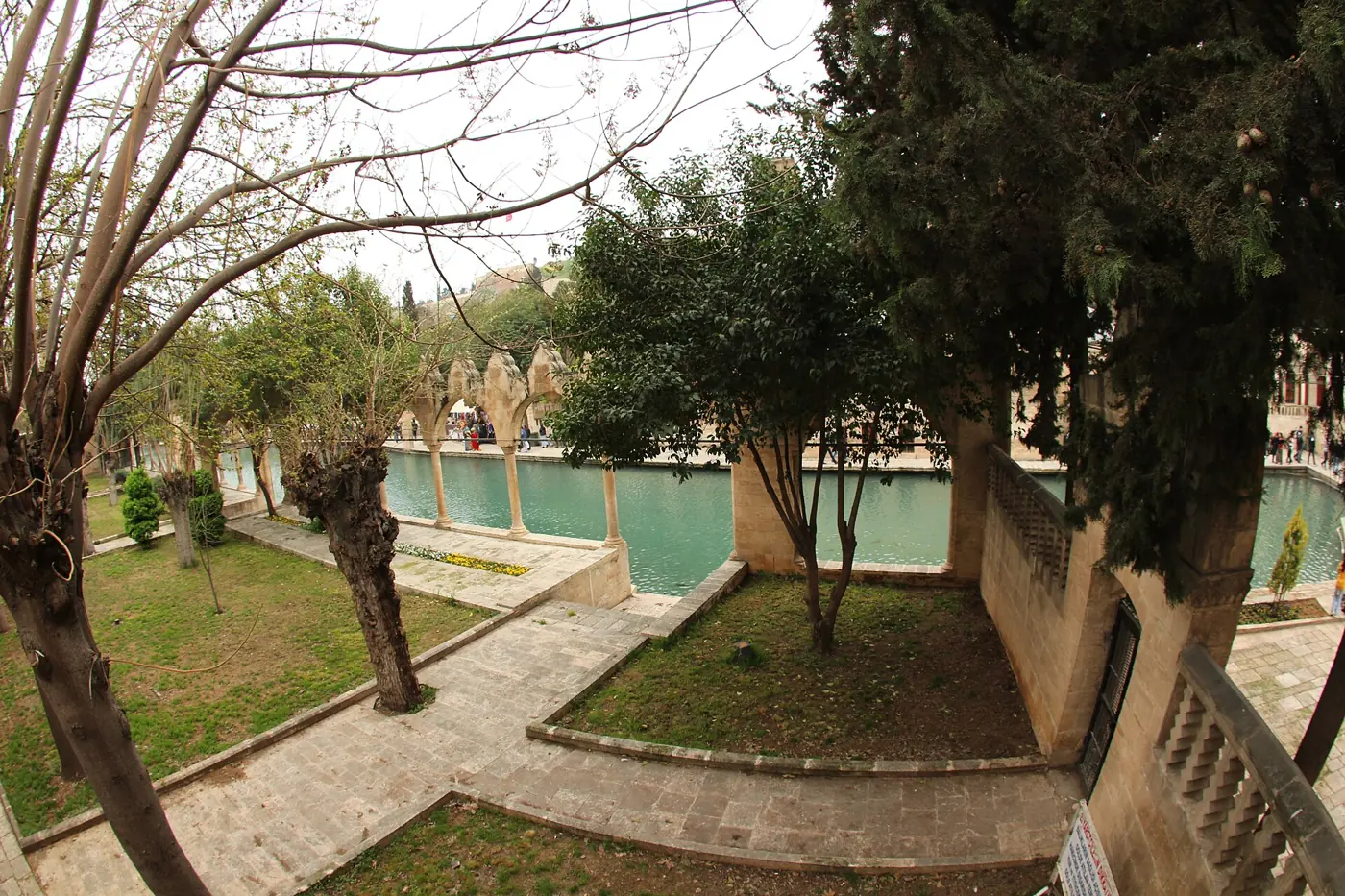
1 Balıklıgöl
Balıklıgöl is the pool tied in Jewish and Islamic legend to Abraham and Nimrod. It is one of the most visited spots in the city and sits beside the Halil-ur-Rahman Mosque. Use it as the starting point of your walk.
- Also known as: Halil-ür Rahman Lake
- Feature: Pool with sacred carp
Show map
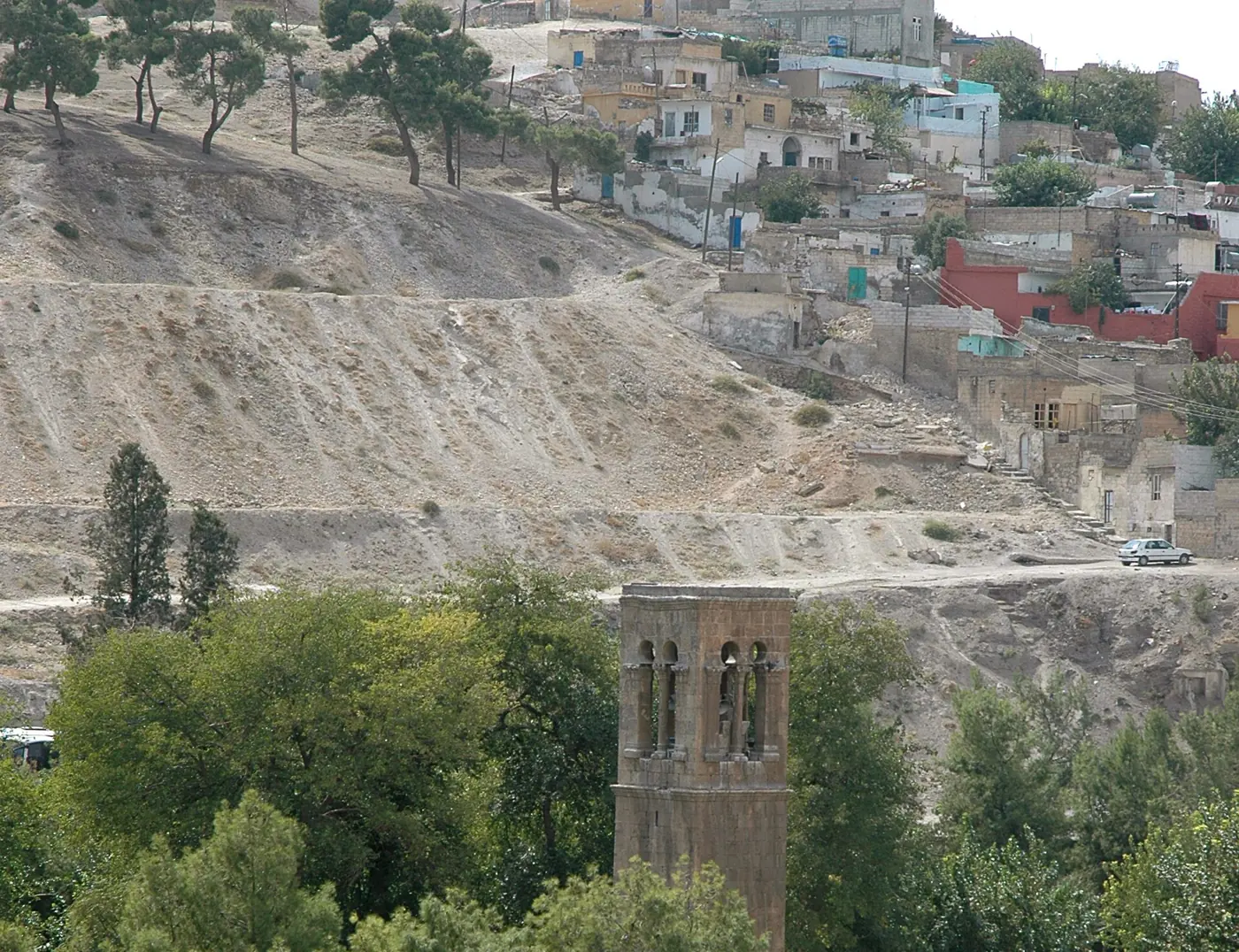
2 Halilürrahman Camii (Dergah)
This historic mosque stands on the pool shore and anchors the Dergah pilgrimage complex. Some sources date it to 1211. Visit with modest clothing and respect prayer times.
- Also called: Döşeme Mosque
- Date: Reported as 1211 in some sources
Show map
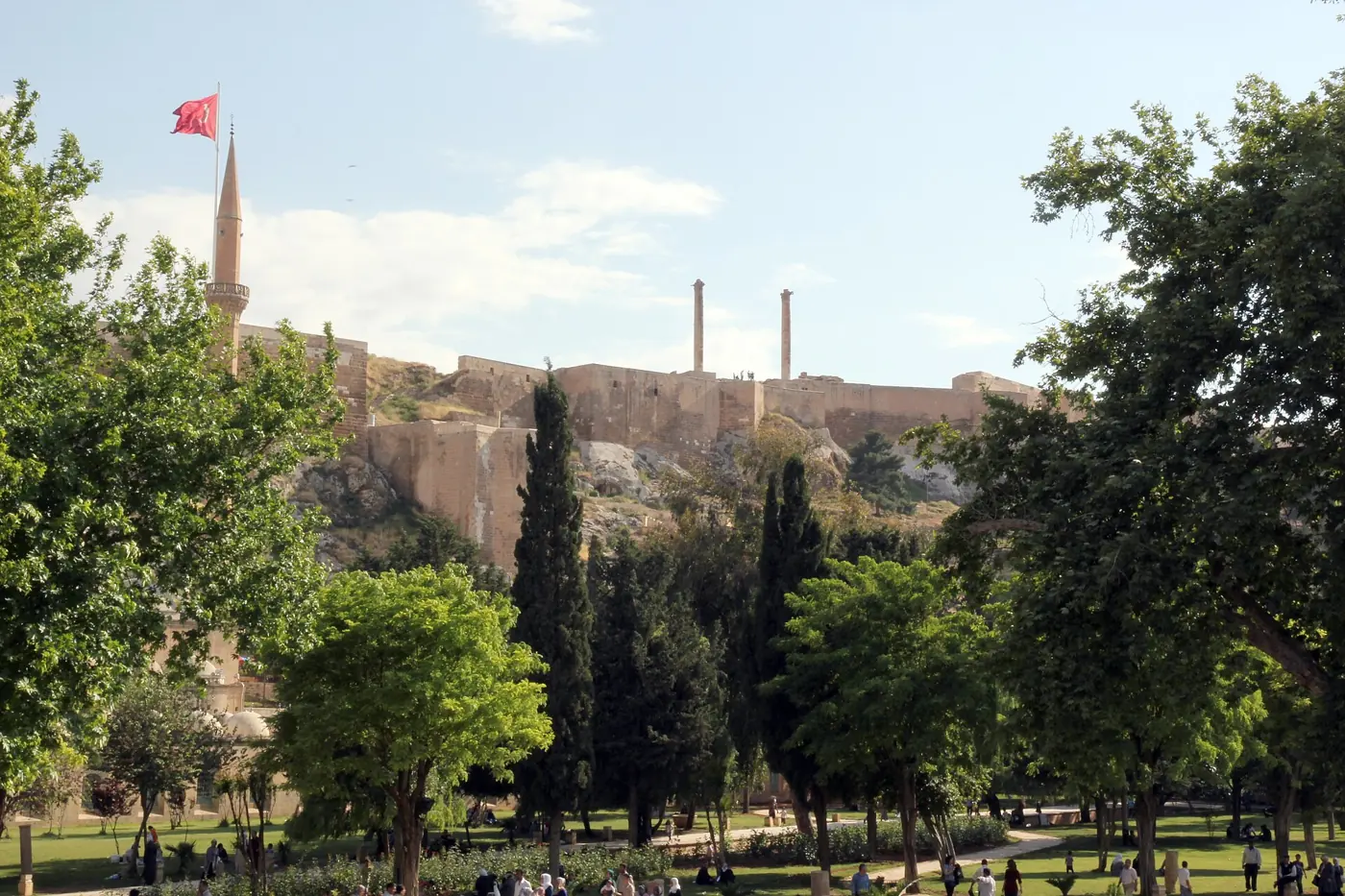
3 Urfa Kalesi
The hilltop fortress overlooks the city centre. The Osroene built it in antiquity, and the present walls date to the Abbasids in 814 AD. It is a classic sunset and panorama stop.
- Current walls: Abbasid, 814 AD
- View: Over the old city and Balıklıgöl
Show map
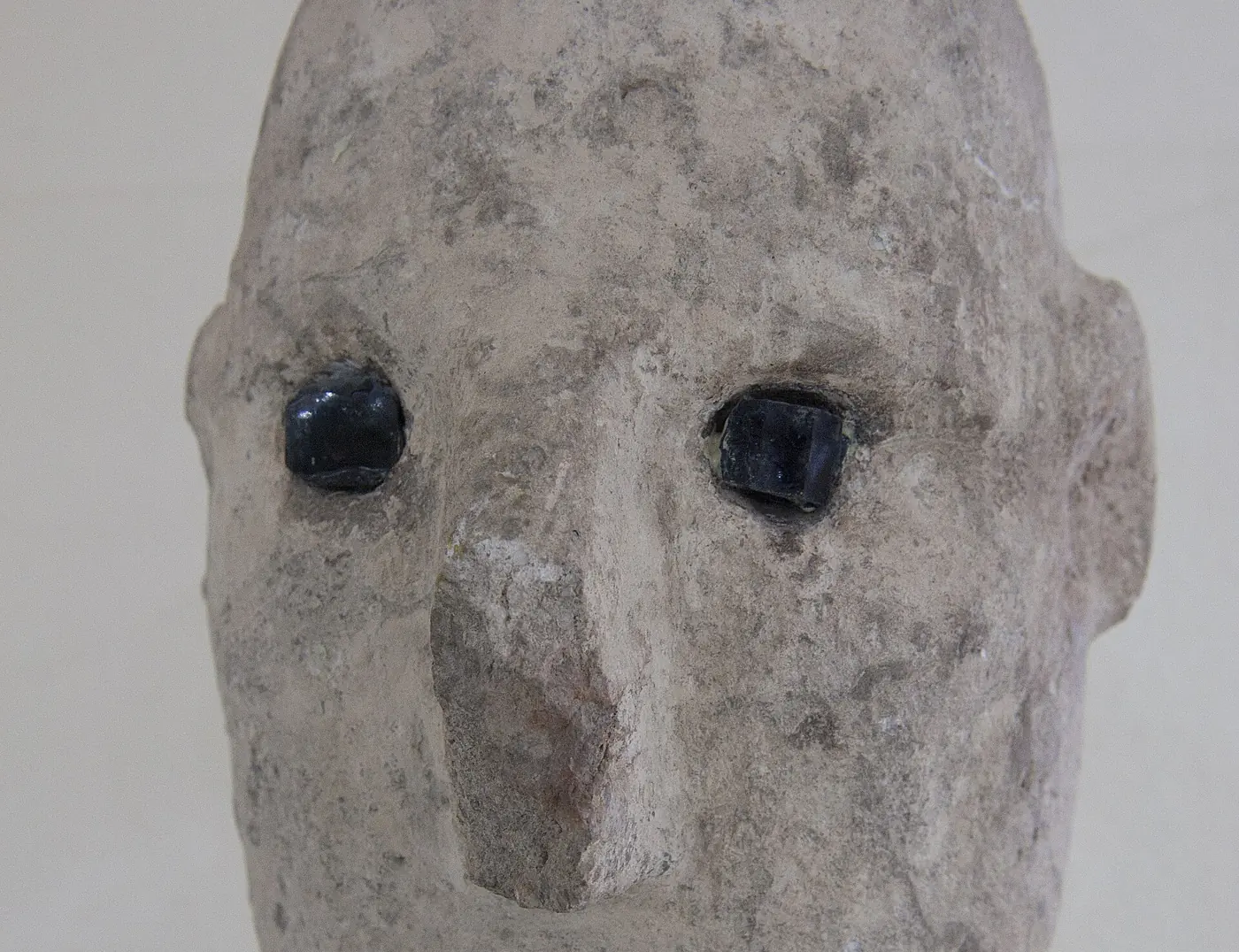
4 Şanlıurfa Müzesi
The museum holds finds from ancient Edessa, Göbekli Tepe, Karahan Tepe and Harran. Visit it before the archaeological sites, because it explains what you will see there.
- Collections: Edessa, Göbekli Tepe, Karahan Tepe, Harran
Show map
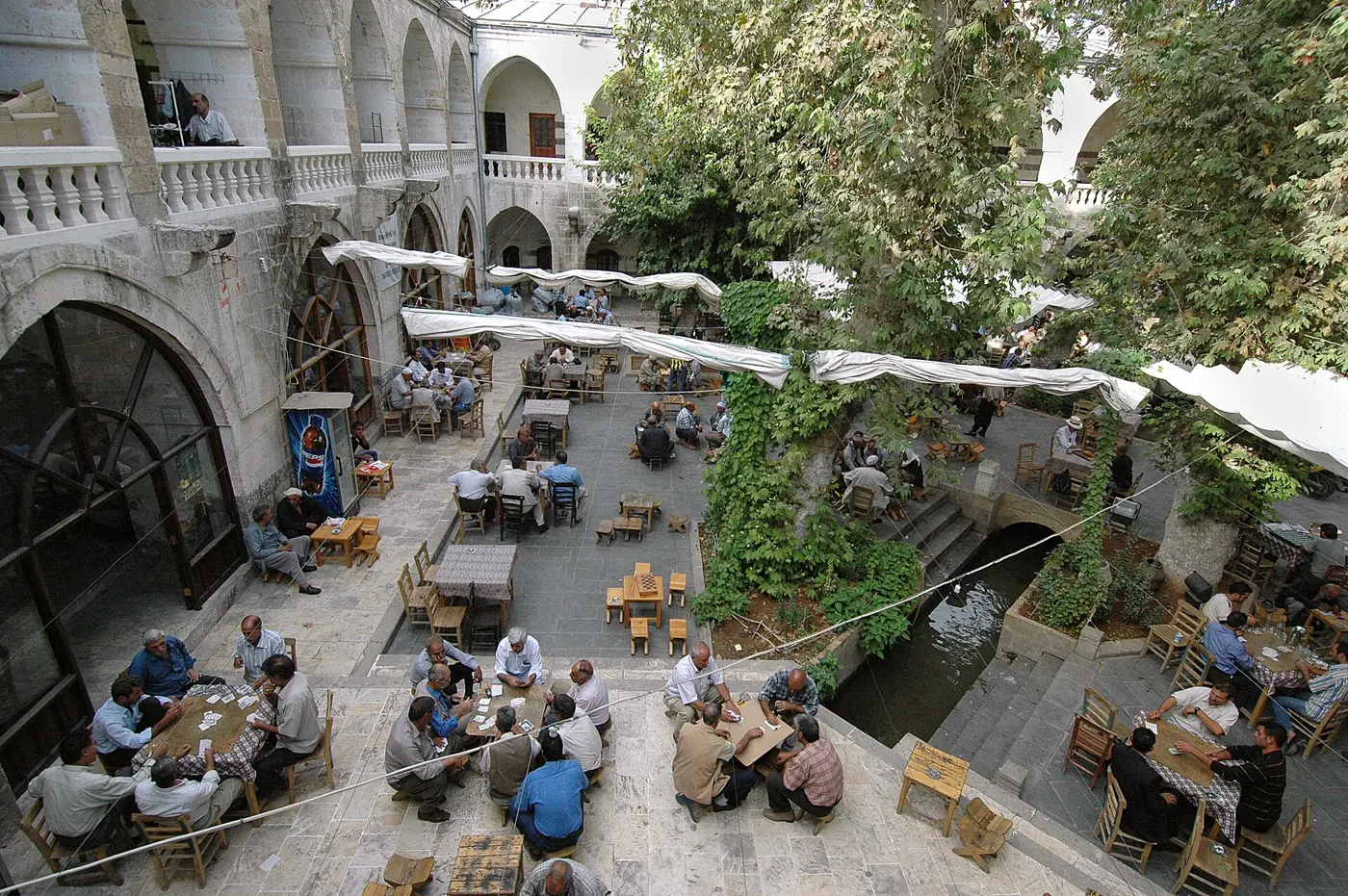
5 Gümrük Hanı
A 16th-century Ottoman caravanserai inside the covered bazaar. Its courtyard tea houses are known for local coffee such as mırra and menengiç. Stop here for a break between sights.
- Built: 1563, by Halhallı Behram Pasha
- Nearby: Balıklıgöl, Sipahi Bazaar
Show map
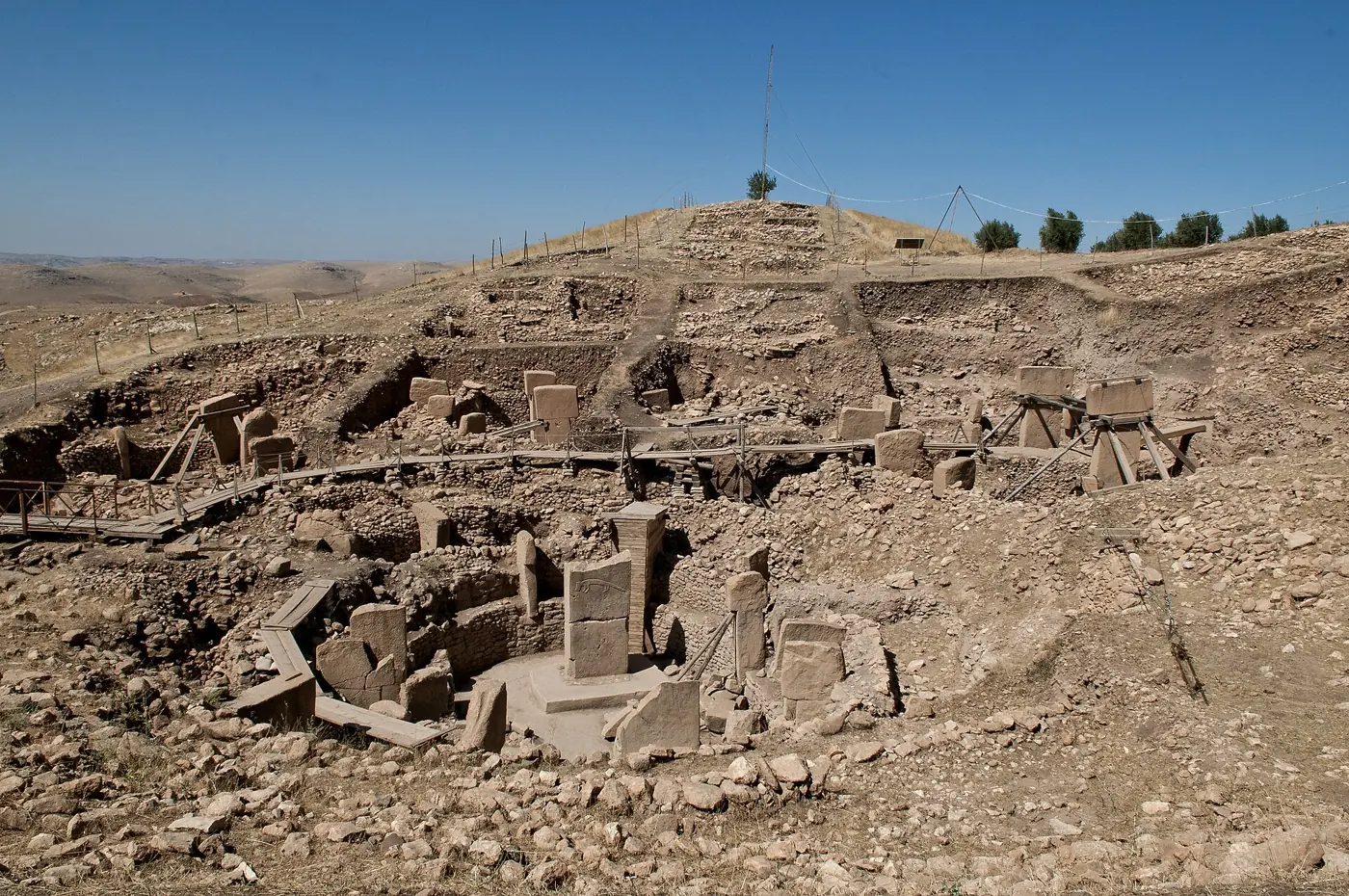
6 Göbeklitepe
This Neolithic hilltop site was inhabited from about 9500 BCE to at least 8000 BCE. It is known for monumental T-shaped stone pillars. Plan a half day including the transfer.
- Period: Pre-Pottery Neolithic
- Location: About 15 km northeast of the city
Show map
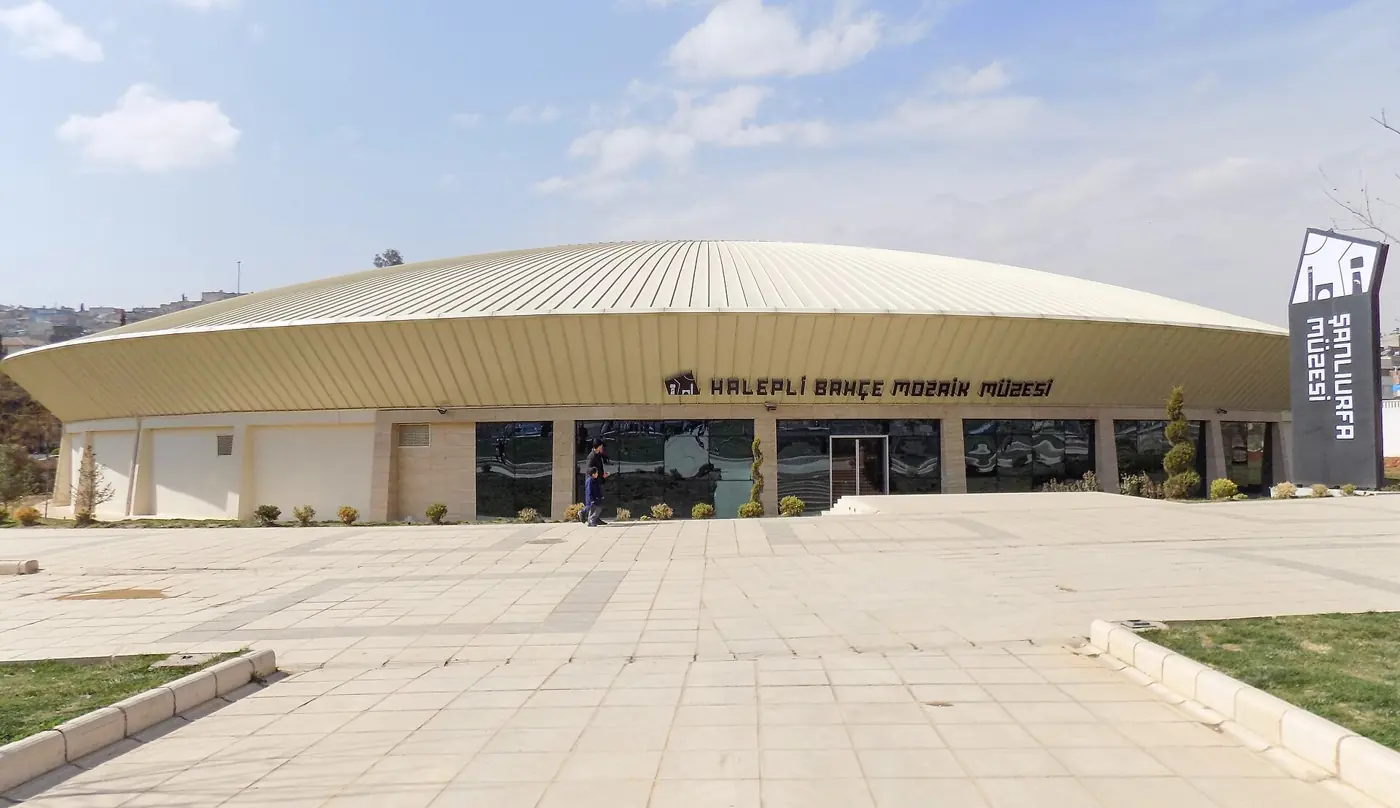
7 Haleplibahçe Mozaik Müzesi
This open-site museum displays Roman-period floor mosaics where they were found. It is a good second museum for travellers who enjoy ancient art.
- District: Eyyübiye
Show map
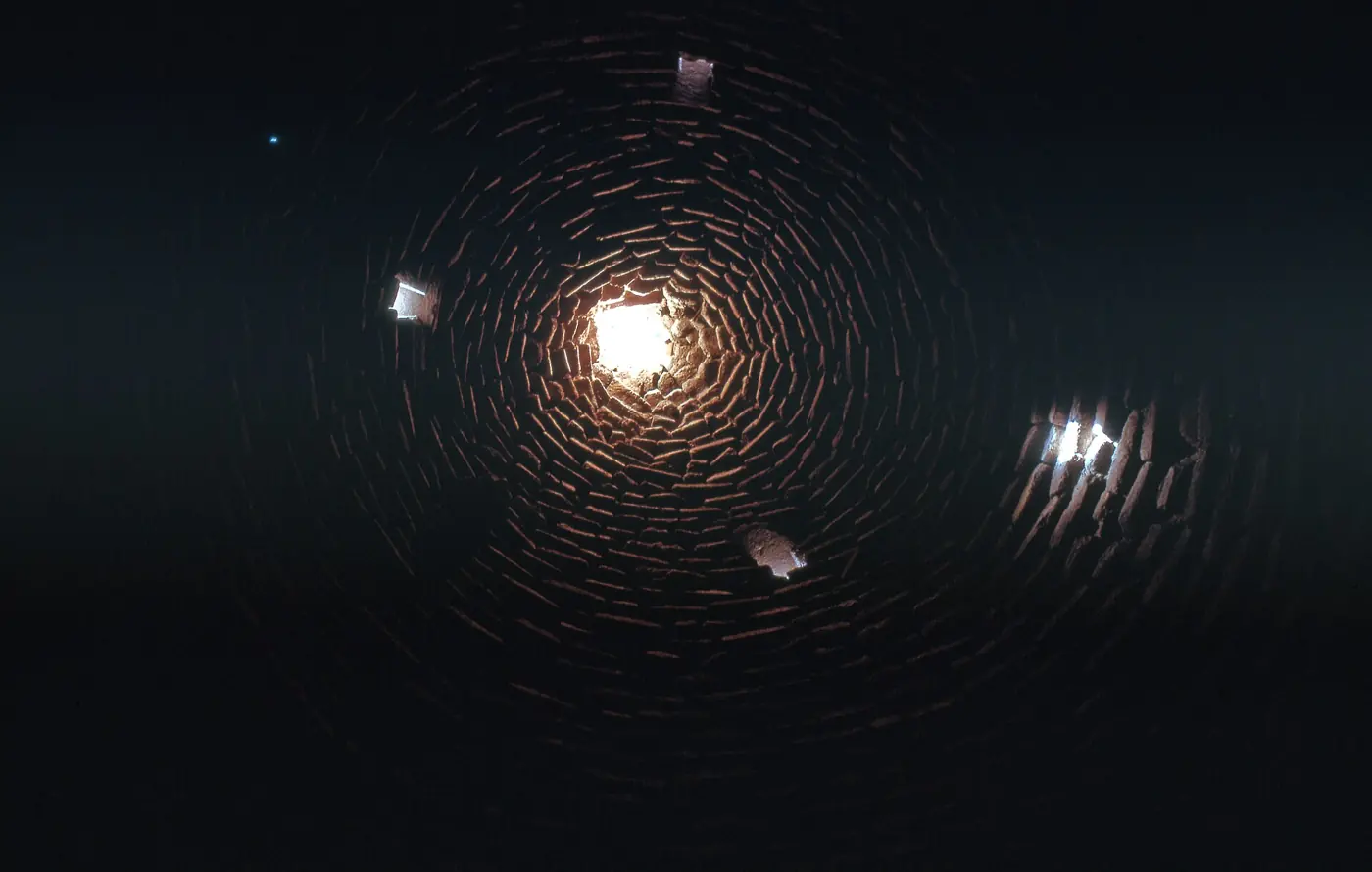
8 Harran Kümbet Evleri
Harran lies about 44 km south of the city. Its conical mud-brick beehive houses are a favourite photo subject and the reason many visitors take this day trip.
- Style: Conical mud-brick beehive houses
Show map
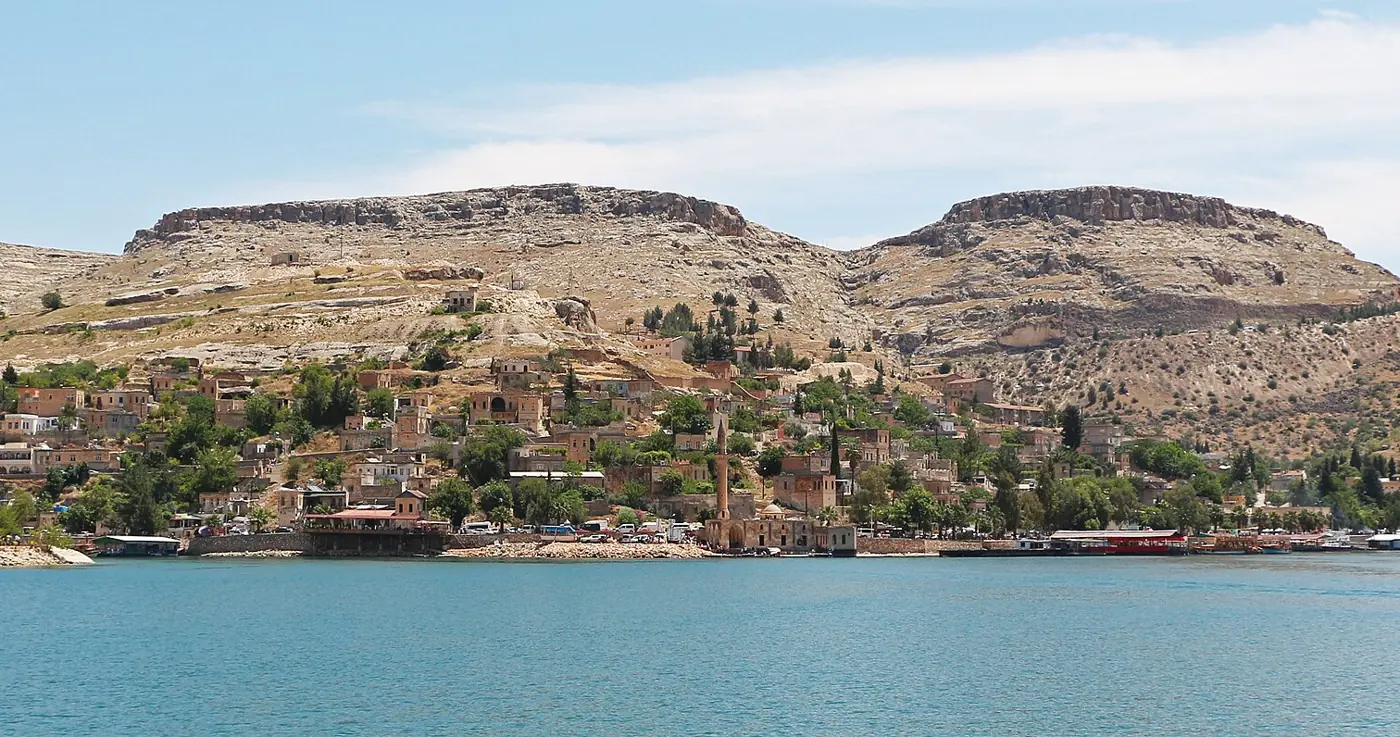
9 Halfeti
Halfeti is a base for Euphrates boat trips, about 120 km from the city. Part of the old town lies under the dam lake, which gives the area its distinct look.
- Distance: About 120 km from Şanlıurfa
- River: Euphrates
Show map
How do the main sights compare?
The sights differ in time needed and in distance from the centre. Therefore the table below groups them by type, so you can match them to your energy and your group.
The table also shows how different the sights feel. A short garden walk takes little time, whereas Göbekli Tepe, Harran and Halfeti each fill a half day or more. Consequently, most visitors choose two or three of the outer sites, not all of them.
The table compares the main sights by area and type; check each page for current opening hours.
| Sight | Area | Type | Suggested time |
|---|---|---|---|
| Balıklıgöl and Halil-ur-Rahman Mosque | City centre | Pilgrimage, garden | 1 to 2 hours |
| Şanlıurfa Castle | City centre | Viewpoint, history | 1 hour |
| Archaeology and Mosaic Museum | Haliliye | Museum | 1.5 to 2 hours |
| Gümrük Han and Bedesten | Old bazaar | Market, tea house | 1 to 2 hours |
| Göbekli Tepe | Outside the city | Archaeology | Half day |
| Harran | South of the city | Village, ruins | Half day |
| Halfeti | West of the city | River, boat trip | Full day |
How do you get there and get around?
The city centre sights are walkable, because Balıklıgöl, the castle and the bazaar lie close together. Göbekli Tepe, Harran and Halfeti are outside the city, so they need a car. A private car with driver is the simplest way to combine them in one day.
Distance matters in this region. Harran lies about 44 km south of the city, Halfeti about 120 km away and Göbekli Tepe about 15 km northeast. Moreover, roads and conditions can change, so ask your driver or guide about the current route before leaving.
Ask your driver to wait at the outer sites, because taxis can be hard to find there. In addition, keep your hotel address on your phone, so you can return easily in the evening.
Getting around in practice:
- Walk inside the Balıklıgöl and bazaar area.
- Use a taxi or private car for the museum and the castle if the weather is hot.
- Hire a driver for Göbekli Tepe, Harran and Halfeti.
- Ask locally about the current road conditions before a long trip.
What practical tips help most?
Dress modestly at mosques and shrines and remove your shoes where asked. Carry water and sun protection, since the southeast is hot in summer. In contrast, winter days can be cool, so bring a light layer.
Summers are hot, so plan outdoor sites for the early morning or the evening. In winter, however, days are shorter, so check closing times. Spring and autumn are usually the most comfortable, but conditions vary from year to year.
If you travel with older relatives or small children, build in rest stops. Gardens near the pool offer shade, and courtyard tea houses provide seating. Therefore a slower day still feels full, even with fewer sights.
Quick checklist:
- Confirm opening hours on Google Maps.
- Start outdoor sites early in the day.
- Keep small change for tea and snacks.
- Respect prayer times at religious sites.
The table lists practical points that apply across the city sights.
| Topic | Advice |
|---|---|
| Dress | Modest clothing at mosques and shrines |
| Heat | Outdoor sites early or late in the day |
| Hours | Confirm on Google Maps |
| Transport | Walk in the centre, car for outer sites |
What does a sample one-day plan look like?
A one-day plan begins at Balıklıgöl in the morning. Then walk to the mosques, climb to the castle and finish in the bazaar with a coffee in Gümrük Han. Therefore you see the old city without using a car.
This plan keeps walking distances short. If you have a second day, drive to Göbekli Tepe in the morning and return for lunch. Alternatively, spend the second day at Harran, which pairs well with an afternoon in the bazaar.
A simple one-day city schedule follows; times are suggestions, not official opening hours.
| Time | Stop | Why |
|---|---|---|
| Morning | Balıklıgöl and the mosques | Quietest light and fewer crowds |
| Late morning | Archaeology and Mosaic Museum | Context for the region |
| Afternoon | Gümrük Han and the Bedesten | Shade and coffee |
| Late afternoon | Şanlıurfa Castle | Panorama toward sunset |
Frequently asked questions
How many days do you need in Şanlıurfa?
Two days is comfortable. Spend one day in the city centre and one on Göbekli Tepe and a day trip such as Harran.
Is Şanlıurfa walkable?
The old centre is walkable. Göbekli Tepe, Harran and Halfeti need a car.
What should I wear at the mosques?
Wear modest clothing that covers shoulders and knees. Women usually carry a light scarf.
Which sight should I not miss?
Many visitors rank Göbekli Tepe and Balıklıgöl as the two essentials, one for archaeology and one for the city’s religious character.
Are the sights suitable for children?
Yes. Balıklıgöl, the gardens and the beehive houses suit families; check each place’s page for details.
Where can I check opening hours?
Use each place’s page or Google Maps, because hours and fees change.
Can I visit Göbekli Tepe and Harran in one day?
It is possible with a private car and an early start, but a relaxed pace is better.
Plan this with TurkGT
TurkGT can arrange a private car with driver, a licensed guide and airport transfers for your days in Şanlıurfa. Send your dates and interests by WhatsApp or through the inquiry form, and we will shape the plan around them.
Request a booking
Related guides
- Göbekli Tepe Visitor Guide: Tips and Nearby Sites
- Balıklıgöl, Mosques and Castle in Şanlıurfa
- Şanlıurfa Museums and Heritage Sites to Visit
- Best Hotels in Sanliurfa: Top 10 Picks by Area and Style
- Best Restaurants in Şanlıurfa: Top Picks in the Old City
- Day Trips from Sanliurfa: Harran, Halfeti and Karahan Tepe
- Shopping in Sanliurfa: Bazaars, Hans and What to Know About Malls
Related destinations and attractions
Explore more city guides
Sources
Last reviewed: 2026-11-21.