
Göbekli Tepe is a Neolithic hilltop site about 15 km northeast of Şanlıurfa, occupied from about 9500 BCE. Its carved T-shaped pillars stand in circular enclosures. Visit it as a half-day trip from the city, and pair it with the Archaeology and Mosaic Museum for context.
Key facts
- Site type: Pre-Pottery Neolithic hilltop site
- Occupied: c. 9500 to 8000 BCE
- Distance: About 15 km northeast of Şanlıurfa
- Status: UNESCO World Heritage site
- Highlights: Carved T-shaped limestone pillars in circular enclosures
- Related sites: Karahan Tepe, Nevalı Çori
- Check before you go: Hours, tickets and access on official pages or Google Maps
What is Göbekli Tepe?
Göbekli Tepe is a Pre-Pottery Neolithic site in Upper Mesopotamia, inhabited from about 9500 BCE to at least 8000 BCE. It is known for monumental T-shaped limestone pillars set in circular enclosures. Therefore many visitors see it as one of the most important prehistoric sites in the world.
The pillars carry carved animals and abstract signs. Moreover, the site lies on a hill, which gives long views over the plain. Read a short introduction before you arrive, because the on-site experience is easier to follow with background.
Visitors expecting a ruined city may be surprised. The site is a set of enclosures and pillars, and its importance lies in its age and in what it suggests about early communities. A guide can help you read the carvings, while the museum shows related finds.
Another useful point is scale. The site is not a large city, so you do not need a full day on it. However, the setting and the explanations reward a slow pace, so avoid rushing between enclosures.
How did we choose the places in this guide?
We chose these places from official classifications, location and details in official or encyclopedic sources. We do not accept payment for placement. Opening hours, fees and visitor feedback change, so check each place’s page or Google Maps before you go.
Here the main focus is the Neolithic sites of Şanlıurfa province. We added the museum and one village stop so the trip does not feel like a single isolated visit.
We also kept the list short. A Neolithic trip is easier to enjoy when it has a clear order, so we ranked stops by how much they explain the main site. Because access and facilities change, check each place before travelling.
Which sites belong in a Göbekli Tepe itinerary?
A strong itinerary combines the main site with the museum that holds its finds. In addition, Karahan Tepe and Nevalı Çori belong to the same regional group, so they deepen the story for travellers with more time.
Karahan Tepe and Göbekli Tepe belong to the same regional pattern of T-shaped stelae. Therefore seeing both helps you compare. However, the second site is optional, and travellers with limited time can focus on the main one.
For travellers with a keen interest in archaeology, the sequence matters. Museum first, main site second, optional second site last. Therefore the narrative builds from objects to place, and the visit feels coherent.
Suggested stops, from essential to optional:
- Göbekli Tepe as the main stop
- Archaeology and Mosaic Museum for finds and context
- Karahan Tepe for a second Neolithic site
- Nevalı Çori for background on the Euphrates group
- Harran for a change of scene
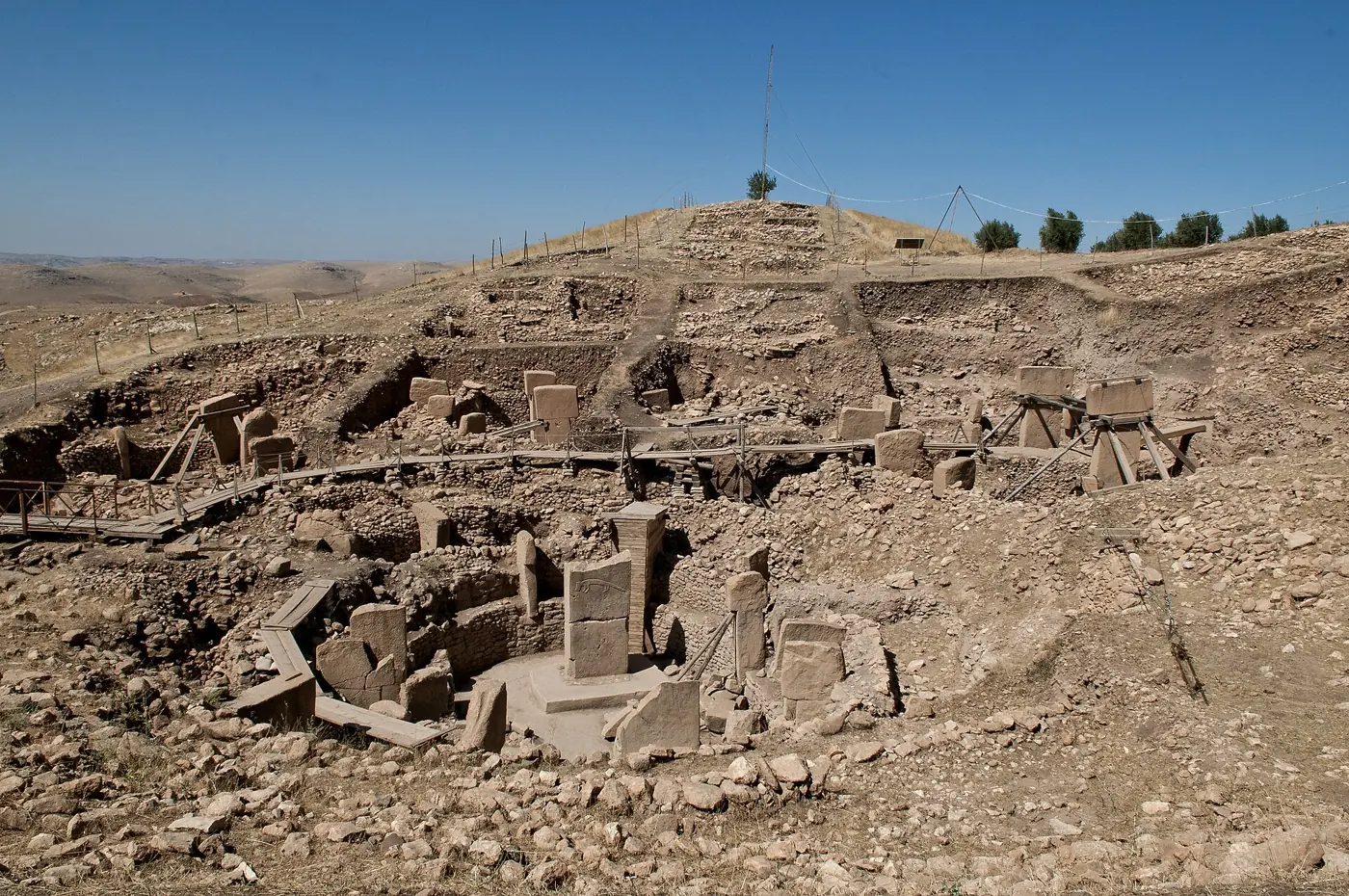
1 Göbeklitepe
Göbekli Tepe is known for carved T-shaped limestone pillars in circular enclosures. It lies about 15 km northeast of the city. Allow a half day including the transfer.
- Period: Pre-Pottery Neolithic, c. 9500-8000 BCE
- Location: About 15 km northeast of Şanlıurfa city
Show map
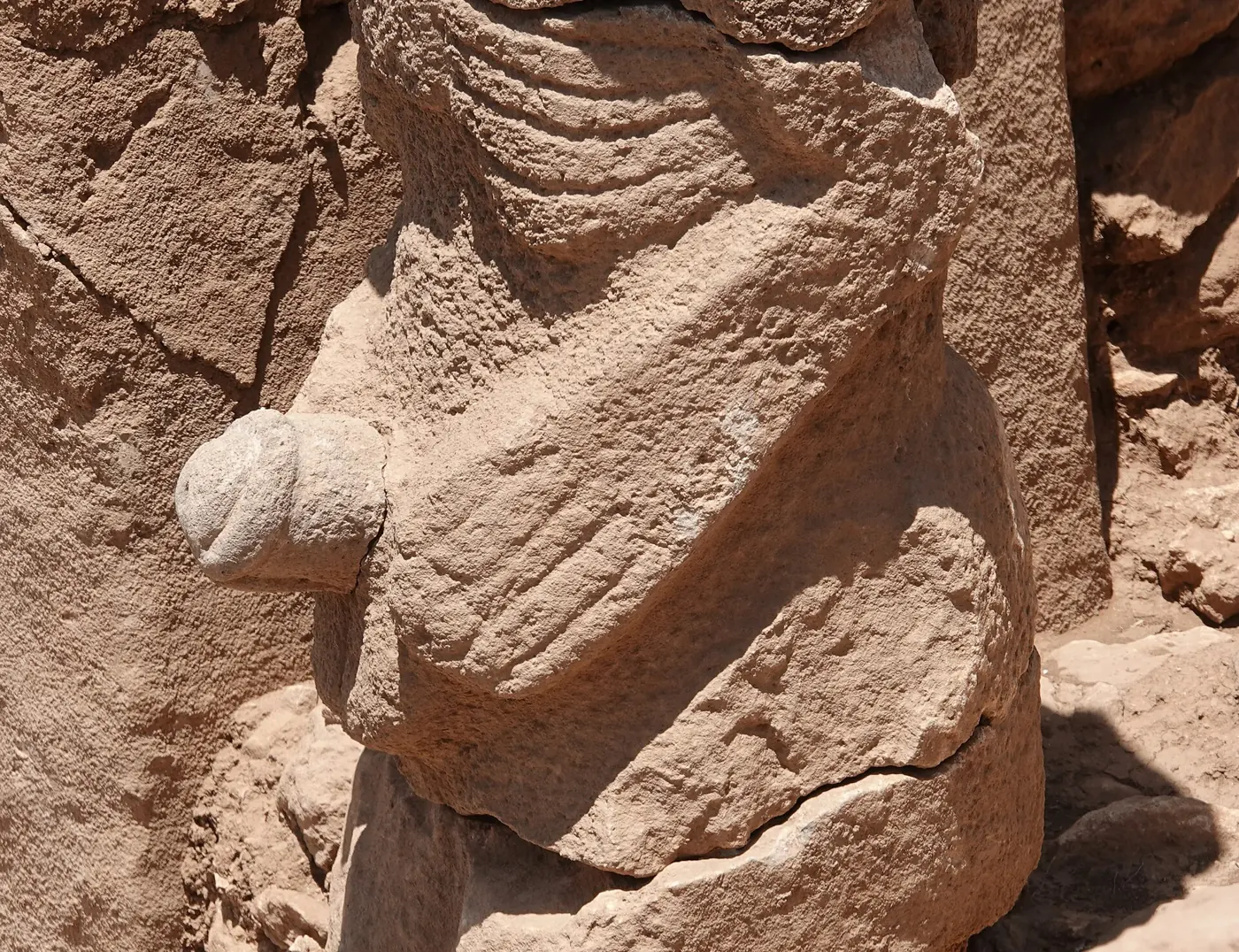
2 Karahantepe
Karahan Tepe is a Pre-Pottery Neolithic site in the same region, with T-shaped stelae. Visit it if you want a second site after Göbekli Tepe. Confirm access before you travel.
- Period: Pre-Pottery Neolithic
- Region: Şanlıurfa, near Göbekli Tepe
Show map
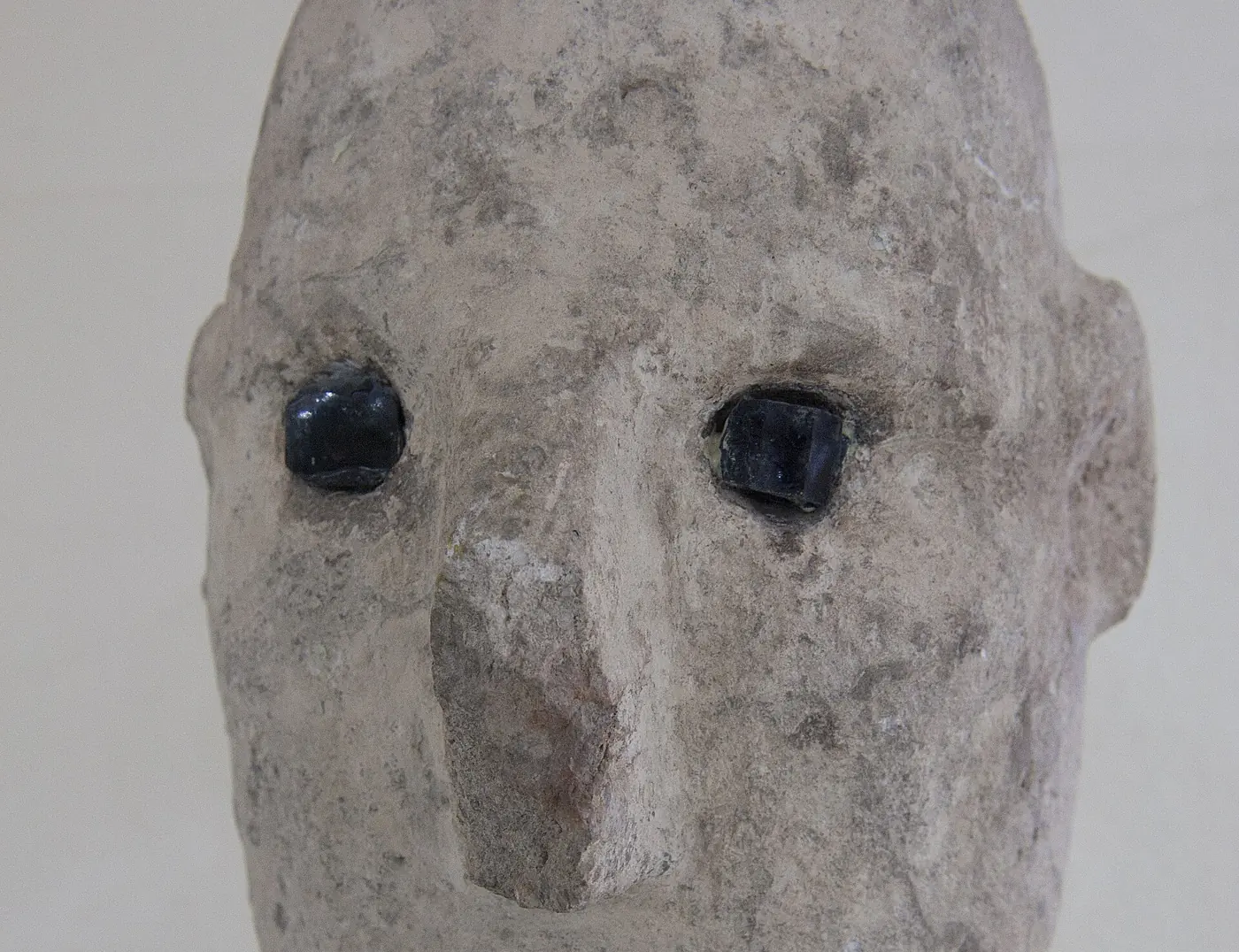
3 Şanlıurfa Müzesi
The museum holds finds from Göbekli Tepe, Karahan Tepe, Harran and ancient Edessa. Seeing them in the city helps you read the sites afterwards.
- Collections: Edessa, Göbekli Tepe, Karahan Tepe, Harran
Show map
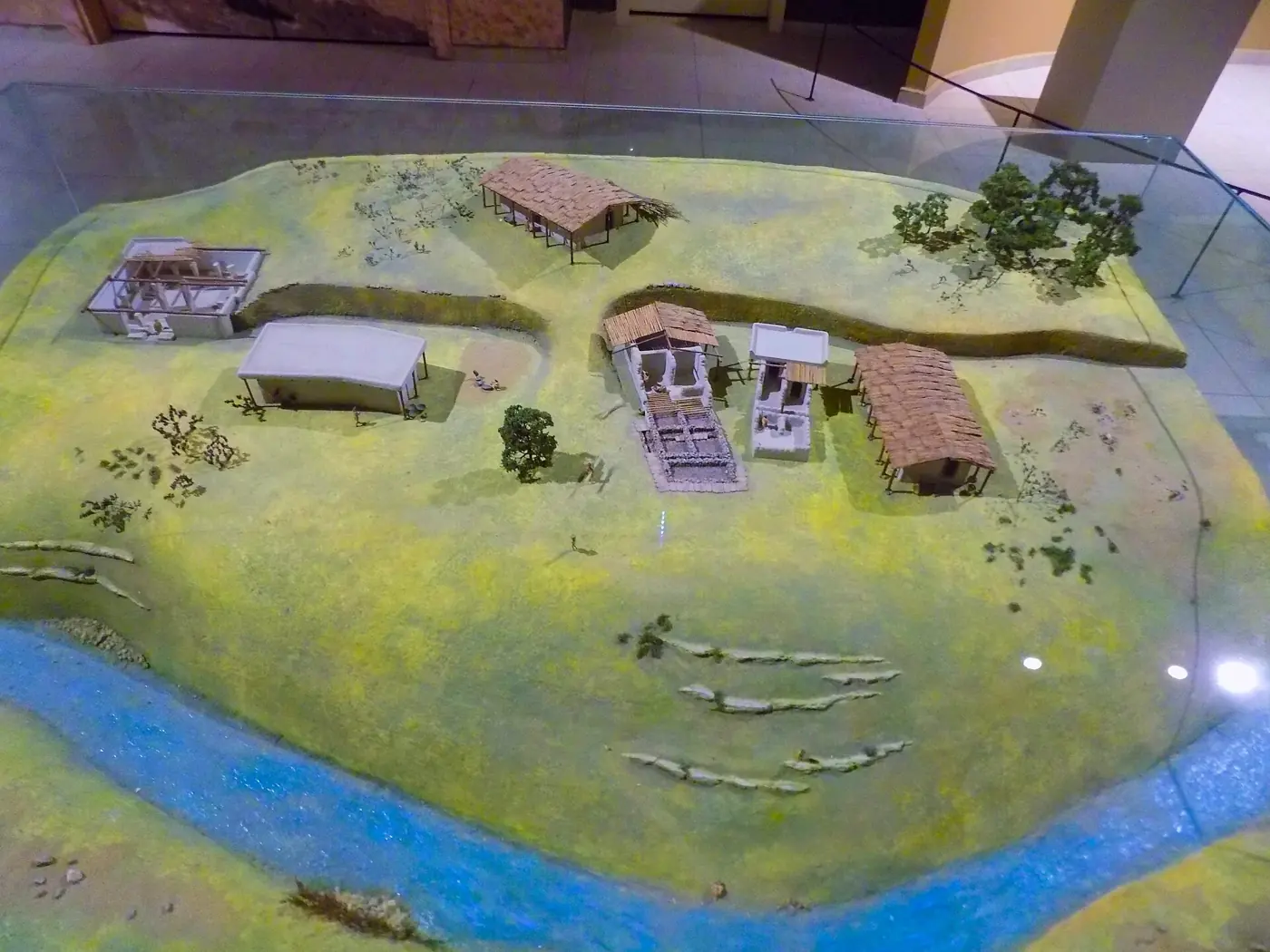
4 Nevalı Çori
Nevalı Çori is an early Neolithic settlement on the middle Euphrates, dated about 8400-8100 BC, and part of the Taş Tepeler group. Much of it lies in the Atatürk Dam reservoir, so treat it as background rather than a main stop.
- Period: Pre-Pottery Neolithic B
- Group: Taş Tepeler
Show map
5 Harran Kümbet Evleri
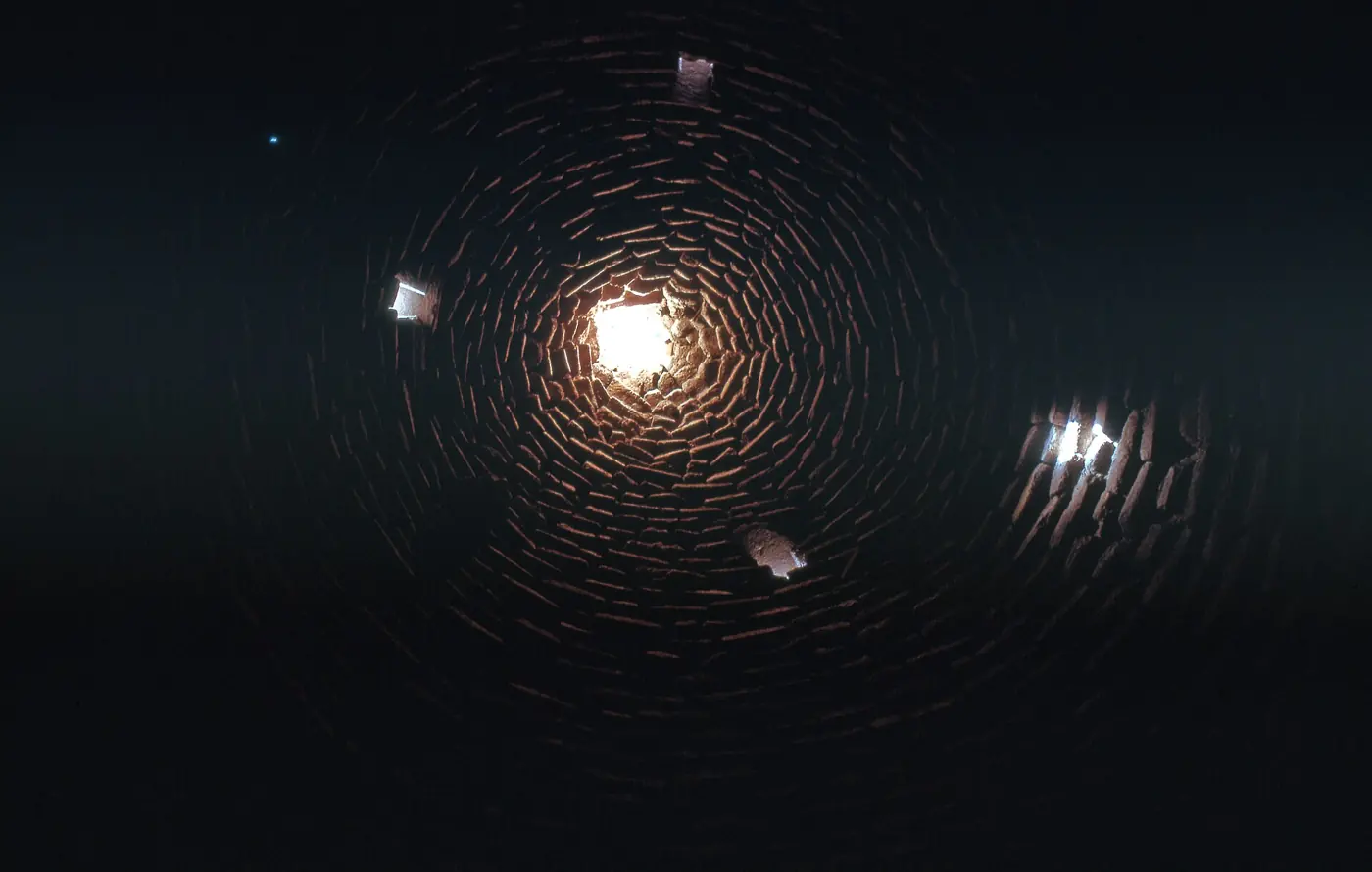
After the Neolithic sites, Harran offers a lighter afternoon. Its conical mud-brick beehive houses sit in an ancient town about 44 km south of the city.
- Style: Conical mud-brick beehive houses
Show map
How do the Neolithic sites compare?
The sites differ in role and in how easy they are to visit. Göbekli Tepe is the main stop, while the others add context. Therefore the table below helps you decide how much time to give each.
The table shows that the sites share a period but not a role. Göbekli Tepe is the famous one, whereas Nevalı Çori is mostly background because much of it lies in the reservoir. Use it to decide where your hours are best spent.
The table compares the Neolithic stops; it uses only facts from our registered sources.
| Site | Period | Relation to Göbekli Tepe | Role in a trip |
|---|---|---|---|
| Göbekli Tepe | c. 9500-8000 BCE | Main site | Half-day main stop |
| Karahan Tepe | Pre-Pottery Neolithic | Same region, T-shaped stelae | Optional second site |
| Nevalı Çori | c. 8400-8100 BC | Taş Tepeler group | Background, limited access |
| Archaeology and Mosaic Museum | Collections from several sites | Holds finds from the sites | Before or after the site |
How do you get to Göbekli Tepe?
Göbekli Tepe lies about 15 km northeast of Şanlıurfa, so it is a short drive from the centre. A private car with driver is the easiest option, because it lets you control timing and avoid the midday heat.
Because the site is close to the city, you can start from any central hotel. Moreover, a driver can wait while you walk, which saves time. Ask your driver or guide about current access arrangements before you set out.
If you travel in a group, a private car with driver is more efficient than several taxis. Moreover, a licensed guide can ride along, which keeps the explanation continuous from the hotel to the site and back.
Practical ways to reach the site:
- Private car with driver from your hotel
- Taxi from the city centre, agreed in advance
- Organised tour that includes a licensed guide
- Check current access arrangements on Google Maps or the official page
Transport options are compared in general terms; prices change, so ask for a current quote.
| Option | Best for | Note |
|---|---|---|
| Private car with driver | Flexible timing, groups | Can combine with the museum or Harran |
| Taxi | Short, simple trip | Agree the waiting time |
| Guided tour | First-time visitors | Adds explanation of the pillars |
What tips make the visit easier?
Go early, because the hilltop has little shade in summer. Bring water, a hat and comfortable shoes. In contrast, spring and autumn feel milder, so they suit longer walks.
Photography is part of the appeal, so bring a camera or phone with enough battery. In addition, carry a light bag, since walkways can be open to the sun. Respect any rules posted on site and keep to marked paths.
Families with children can still enjoy the trip. The open hilltop gives space to move, and the pillars with carved animals catch young attention. However, keep water and snacks ready, since facilities on a hilltop are limited.
Visitor tips:
- Read about the site before you arrive.
- Wear sun protection and sturdy shoes.
- Confirm opening hours and tickets on Google Maps.
- Ask a licensed guide if you want the carvings explained.
What does a sample half-day plan look like?
Begin in the morning at the museum in the city. Then drive to Göbekli Tepe while the light is still soft. Finally, return for lunch in the centre. Therefore the half day links finds and site in the right order.
If you have more time, extend the plan with Harran after lunch. Moreover, the Archaeology and Mosaic Museum can be your first stop on a second morning. This way, the trip gains both context and variety.
A half-day schedule follows; times are suggestions only.
| Time | Stop | Purpose |
|---|---|---|
| Early morning | Archaeology and Mosaic Museum | Context before the site |
| Mid-morning | Göbekli Tepe | Main visit |
| Lunch | Return to the city | Rest and food |
Frequently asked questions
How long should I spend at Göbekli Tepe?
Plan a half day including the transfer from Şanlıurfa.
How far is Göbekli Tepe from Şanlıurfa?
About 15 km northeast of the city centre.
What is Göbekli Tepe famous for?
Its carved T-shaped limestone pillars in circular enclosures, dated from about 9500 BCE.
Should I visit the museum first?
Yes. The Archaeology and Mosaic Museum holds finds from Göbekli Tepe and gives helpful context.
Can I see Karahan Tepe too?
Yes, if you have extra time and confirm access first. It lies in the same region.
When is the best time to visit?
Spring and autumn are milder. In summer, go early in the morning.
Do I need a guide?
It is not required, but a licensed guide helps explain the carvings.
Plan this with TurkGT
TurkGT can arrange a private car with driver, a licensed guide and airport transfers for your days in Şanlıurfa. Send your dates and interests by WhatsApp or through the inquiry form, and we will shape the plan around them.
Request a booking
Related guides
- Top Sights in Şanlıurfa: A Visitor’s Guide
- Balıklıgöl, Mosques and Castle in Şanlıurfa
- Şanlıurfa Museums and Heritage Sites to Visit
- Best Hotels in Sanliurfa: Top 10 Picks by Area and Style
- Best Restaurants in Şanlıurfa: Top Picks in the Old City
- Day Trips from Sanliurfa: Harran, Halfeti and Karahan Tepe
- Shopping in Sanliurfa: Bazaars, Hans and What to Know About Malls
Related destinations and attractions
Explore more city guides
Sources
- Göbekli Tepe – Wikipedia
- Karahan Tepe – Wikipedia
- Nevalı Çori – Wikipedia
- Şanlıurfa Archaeology and Mosaic Museum – Wikipedia
Last reviewed: 2026-11-21.