
Şanlıurfa’s best museums are the Archaeology and Mosaic Museum, the open-site Haleplibahçe Mosaic Museum and the Hacıbanlar Kitchen Museum. Heritage sites such as Kızılkoyun Necropolis and the Great Mosque add depth. Together they tell the story from the Neolithic to the Ottoman period.
Key facts
- Main museum: Archaeology and Mosaic Museum, Haliliye
- Open-site museum: Haleplibahçe Mosaic Museum, Eyyübiye
- Food heritage: Hacıbanlar House (Kitchen Museum)
- Ancient tombs: Kızılkoyun Necropolis, 2nd-4th century AD
- Collections: Edessa, Göbekli Tepe, Karahan Tepe, Harran
- Best for: Rainy or hot days, history lovers, families
- Check before you go: Hours and fees on official pages or Google Maps
Which museums and heritage sites are worth visiting in Şanlıurfa?
The Archaeology and Mosaic Museum is the essential stop, followed by the Haleplibahçe Mosaic Museum and the Hacıbanlar Kitchen Museum. Kızılkoyun Necropolis and the Great Mosque add outdoor heritage. Therefore a museum day can be both indoor and outdoor.
Şanlıurfa has layers from several periods. Moreover, the museums link the Neolithic sites outside the city with Roman and Ottoman life inside it, which makes the story easier to follow.
Many travellers treat museums as a backup for bad weather. In Şanlıurfa, however, they are the key to understanding the region. Without them, the Neolithic sites and the old city can feel like separate stories.
Another reason to visit is climate. Summer afternoons are hot, and museums offer shade and cool air. Therefore a museum block is a good midday plan, framed by outdoor sites in the morning and evening.
The core stops:
- Archaeology and Mosaic Museum
- Haleplibahçe Mosaic Museum
- Hacıbanlar House (Kitchen Museum)
- Kızılkoyun Necropolis
- Great Mosque of Şanlıurfa
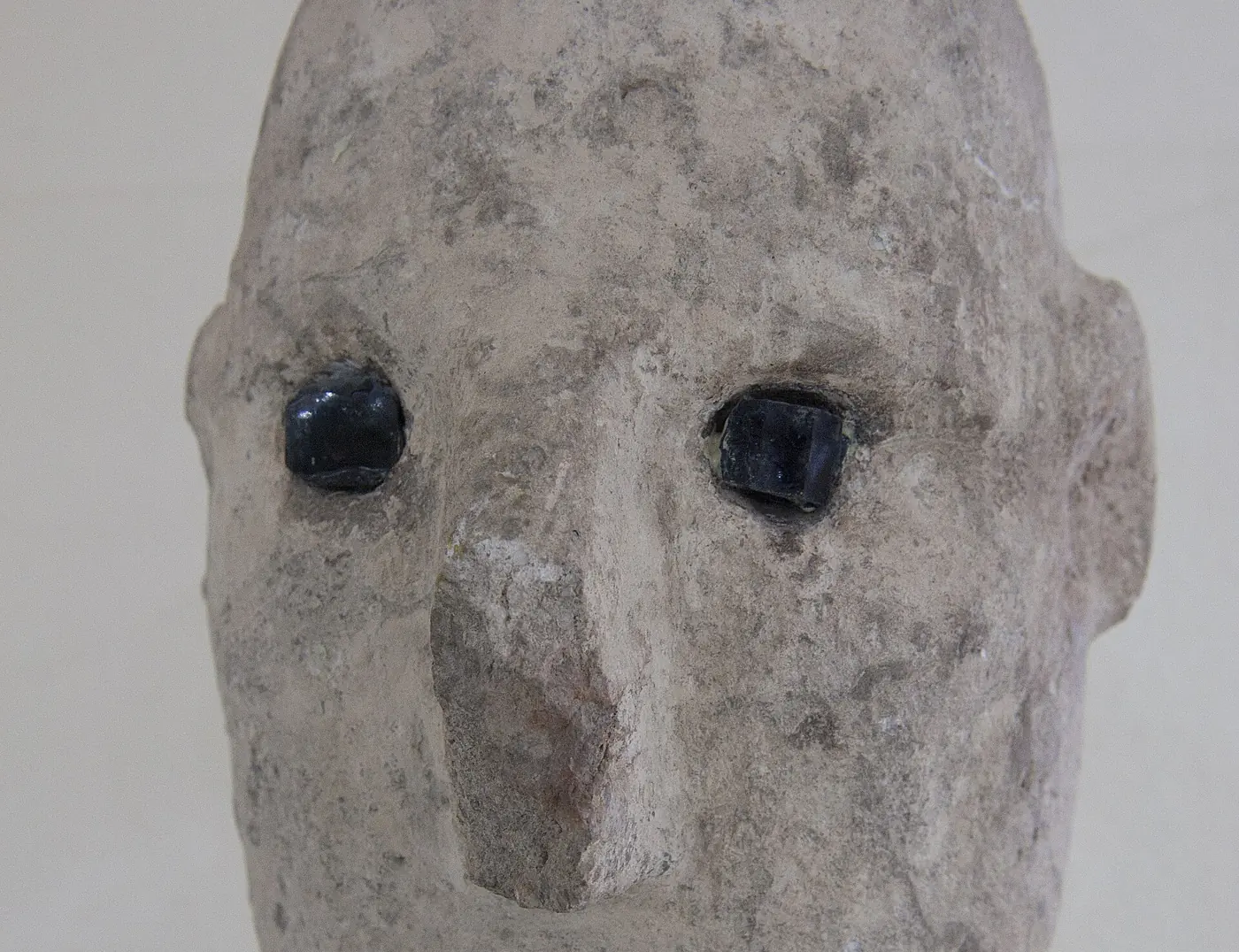
1 Şanlıurfa Müzesi
The museum holds finds from ancient Edessa, Göbekli Tepe, Karahan Tepe and Harran. It is the best first stop because it explains the region’s sites.
- Collections: Edessa, Göbekli Tepe, Karahan Tepe, Harran
- Type: Archaeology museum
Show map
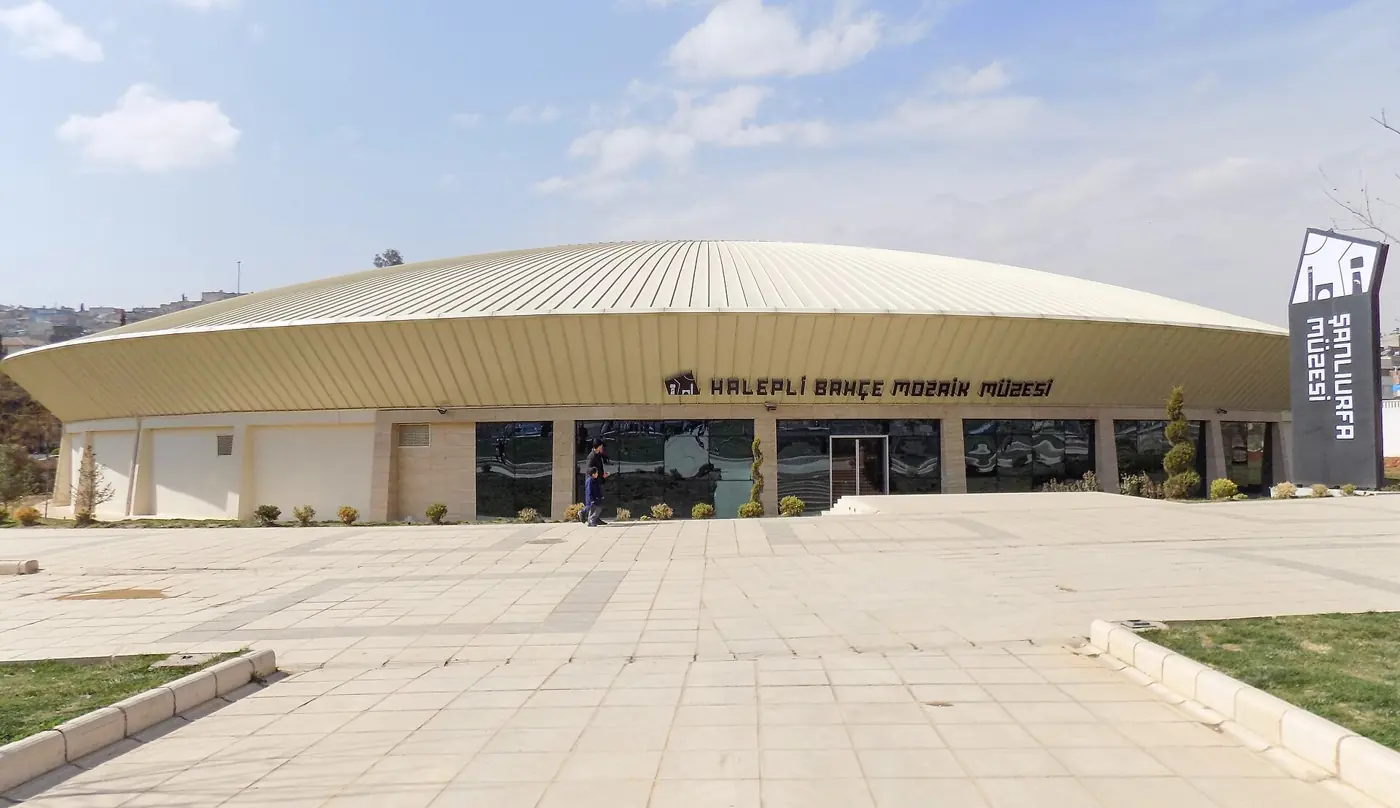
2 Haleplibahçe Mozaik Müzesi
An open-site museum in Eyyübiye that displays Roman-period floor mosaics where they were found. It suits travellers who like seeing objects in their original place.
- District: Eyyübiye
- Type: Archaeological mosaic museum
Show map
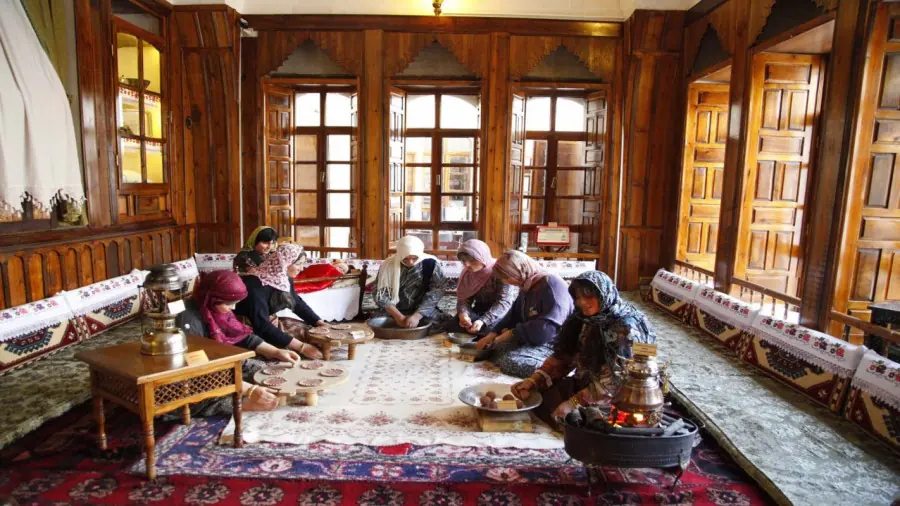
3 Hacıbanlar Konağı – Mutfak Müzesi
A restored historic house bought by the municipality in 2011 and turned into a Traditional Cuisine (Kitchen) Museum. It shows local cooking and home life. It is a museum, not a café.
- Operator: Şanlıurfa Metropolitan Municipality
- Theme: Traditional Urfa cuisine
Show map
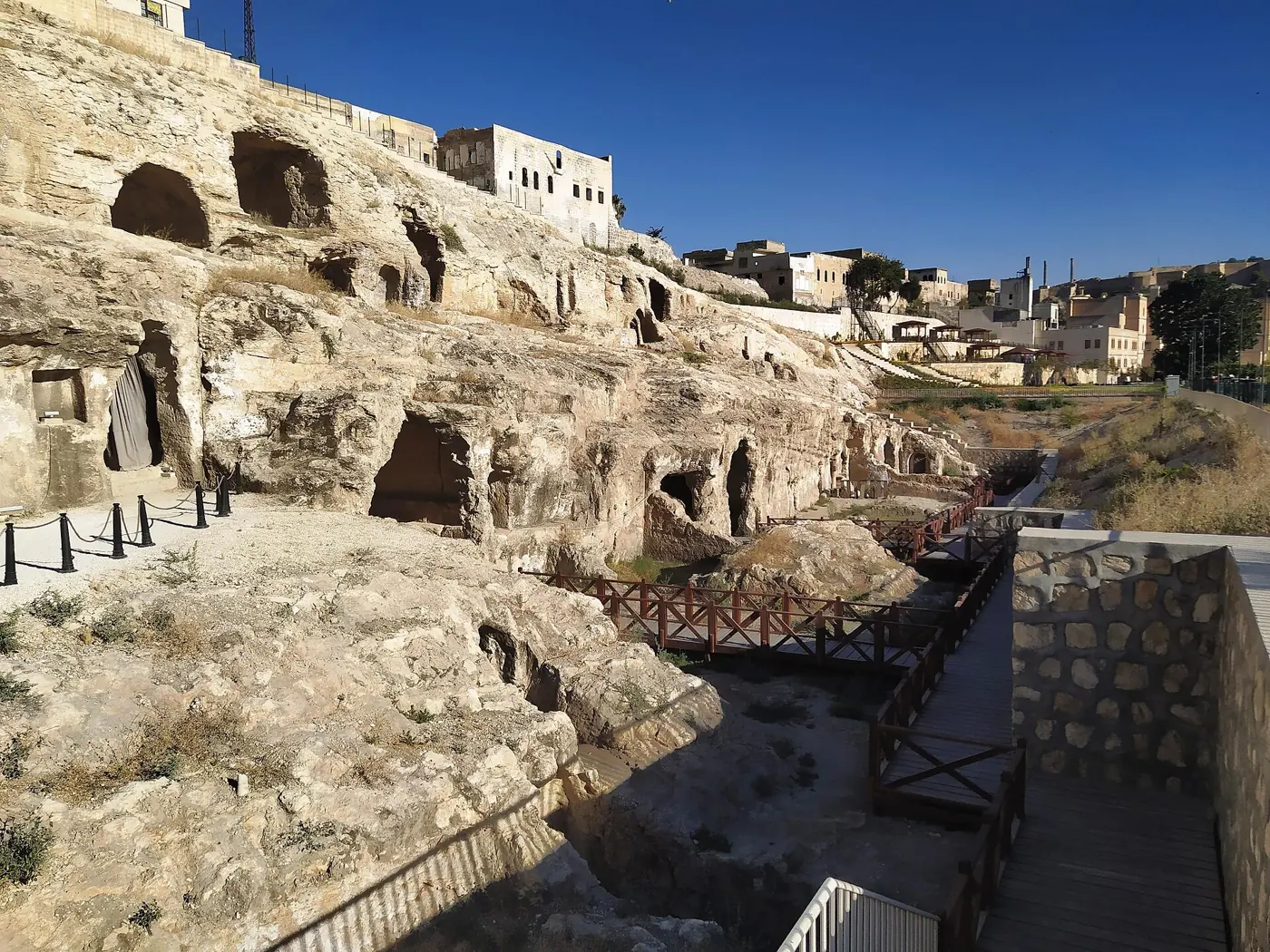
4 Kızılkoyun Nekropolü
Ancient rock-cut tombs about 500 m north of the Balıklıgöl basin, with nearly 100 graves dated to the 2nd-4th centuries AD. It also offers a viewpoint.
- Date: 2nd-4th century AD
- Graves: Nearly 100 rock-cut tombs
Show map
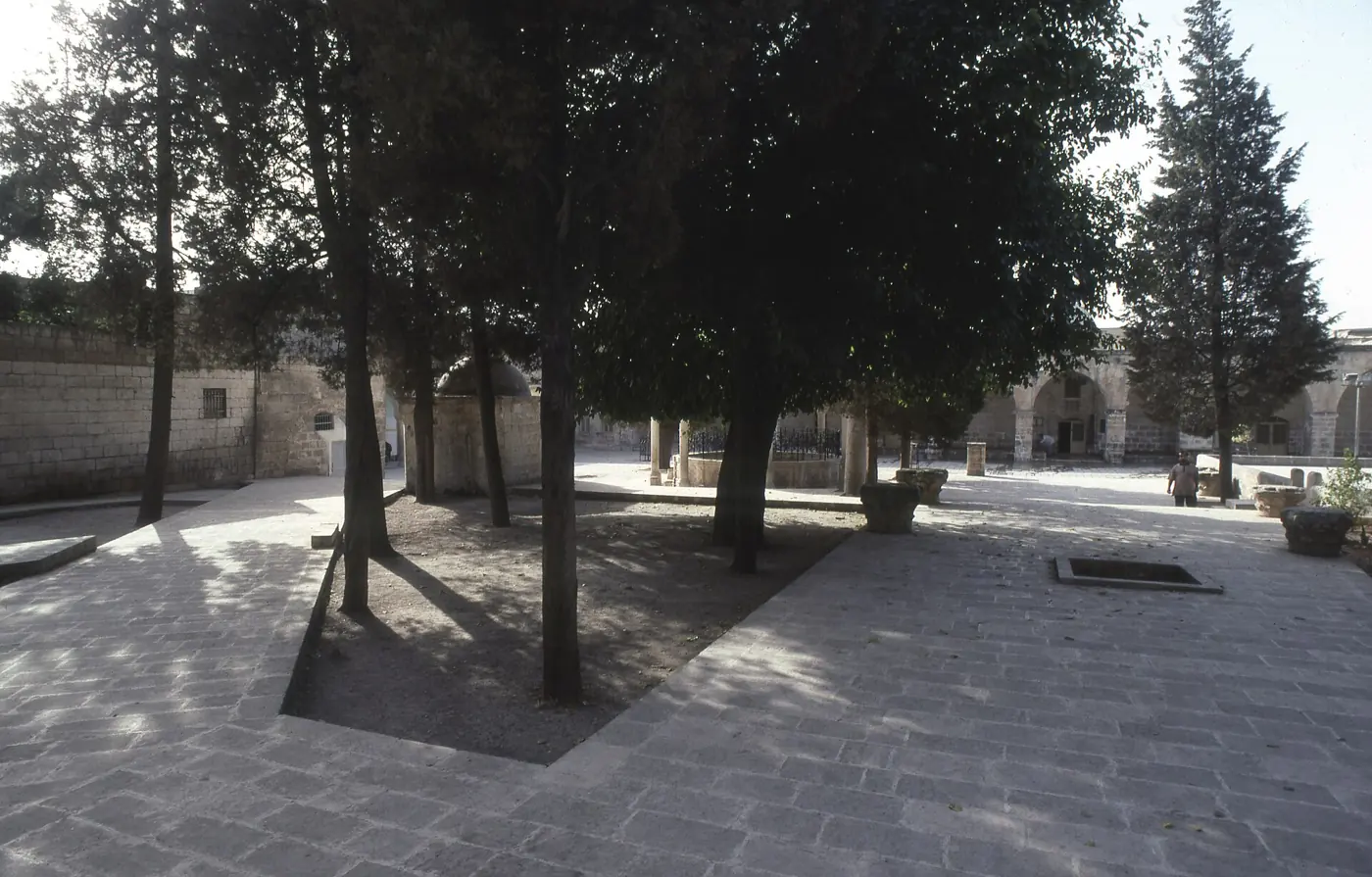
5 Şanlıurfa Ulu Camii
The central Great Mosque stands on the foundations of an old church known as the Red Church. Visit it as a living place of worship.
- Built on: Foundations of the Red Church
Show map
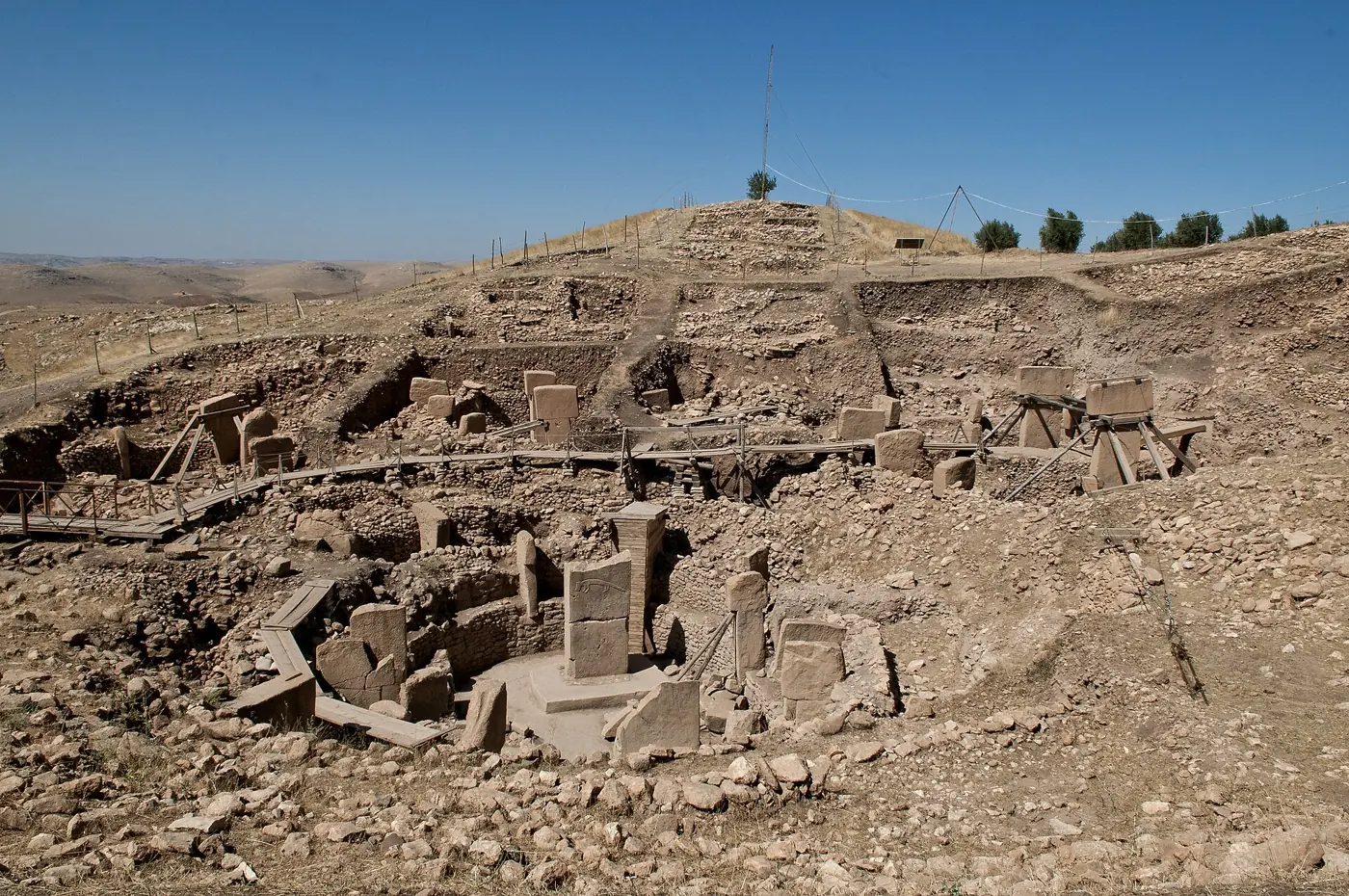
6 Göbeklitepe
Göbekli Tepe is the site behind many museum finds. It lies about 15 km northeast of the city and shows the Neolithic world in place.
- Period: c. 9500-8000 BCE
Show map
How did we choose these places?
We chose these places from official classifications, location and details in official or encyclopedic sources. We do not accept payment for placement. Opening hours, fees and visitor feedback change, so check each place’s page or Google Maps before you go.
We favoured places with a clear heritage role and an official or encyclopedic source. In contrast to a generic attractions list, this guide leaves out purely commercial stops.
We also looked at how well each place is documented. A heritage site with a clear source gives you something checkable, so we preferred those. Consequently, some lesser-known spots are absent until we can verify them.
We also kept the entries realistic for a single trip. Visitors rarely have time for every museum, so each card states what makes the place different. Therefore you can drop one stop without losing the thread of the story.
What does each museum offer?
The museums differ in scale and setting. One is a large indoor collection, another is an open site, and the third is a historic house. Therefore the table below shows which one fits your time and interests.
The main museum is the broadest. It connects the city with Göbekli Tepe, Karahan Tepe and Harran, which makes it a natural base for planning other trips. The open-site and house museums then add detail and atmosphere.
The mosaics are a highlight for many visitors. Roman-period floors show scenes and patterns that were laid long before the Ottoman city. Moreover, seeing them in place at Haleplibahçe gives a sense of how the ancient town was arranged.
The table compares the museums using our registered facts.
| Place | Type | Main theme | Setting |
|---|---|---|---|
| Archaeology and Mosaic Museum | Archaeology museum | Edessa, Göbekli Tepe, Karahan Tepe, Harran | Indoor |
| Haleplibahçe Mosaic Museum | Open-site museum | Roman-period floor mosaics | Mostly outdoor |
| Hacıbanlar Kitchen Museum | Historic house museum | Traditional Urfa cuisine | Restored house |
How do you get there and get around?
The museums and heritage sites lie in the central districts of Haliliye and Eyyübiye. Some are walkable from Balıklıgöl, while the Archaeology and Mosaic Museum may be easier by taxi. A private car helps if you combine them with Göbekli Tepe.
The table helps you pick by interest. History lovers will enjoy the archaeology museum, art lovers the mosaics, and food lovers the kitchen museum. Therefore you do not need to see everything to have a full day.
General suggestions for moving between stops follow; check local conditions.
| From | To | Suggested mode |
|---|---|---|
| Balıklıgöl | Kızılkoyun Necropolis | Walk or short taxi |
| City centre | Archaeology and Mosaic Museum | Taxi or private car |
| City centre | Haleplibahçe Mosaic Museum | Taxi or walk |
What practical tips help?
Check opening days before you go, because museums often close one day a week. Bring water for the outdoor sites. In addition, keep a light layer for air-conditioned halls, since temperatures differ strongly between indoors and out.
Most of these places are in the central districts, which keeps travel time short. Moreover, combining them with Balıklıgöl and the bazaar gives you a complete city circuit. A taxi is useful for the farther stops.
Keep small bills for entry or donations where relevant. In addition, take a bottle of water, because the transitions between indoor and outdoor spaces can be tiring in summer.
Quick tips:
- Visit the main museum before Göbekli Tepe.
- Use museum hours from official pages or Google Maps.
- Wear comfortable shoes for stone paths.
- Ask a licensed guide for the mosaics.
What does a sample day plan look like?
Begin with the Archaeology and Mosaic Museum in the morning. After that, see the Haleplibahçe mosaics, then lunch near the centre. Finally, visit the Hacıbanlar Kitchen Museum and end at Kızılkoyun Necropolis for the view.
Because museum hours vary by day and season, avoid assuming a fixed schedule. Confirm on Google Maps or the official page. In addition, ask your hotel to call ahead if you plan a tight day.
The plan leaves time for rest. Midday heat is strong, so a long lunch is part of the schedule. Therefore you finish the day at the necropolis with a view, instead of rushing between stops.
If you want to dig deeper, ask a licensed guide to link the objects with the sites outside the city. For example, the finds from Göbekli Tepe become clearer once you have seen the carved pillars on the hilltop.
A museum-day schedule follows; times are suggestions.
| Time | Stop | Note |
|---|---|---|
| Morning | Archaeology and Mosaic Museum | Allow two hours |
| Late morning | Haleplibahçe Mosaic Museum | Mostly outdoor |
| Afternoon | Hacıbanlar Kitchen Museum | Local cooking heritage |
| Late afternoon | Kızılkoyun Necropolis | Rock-cut tombs and view |
Frequently asked questions
Which museum is the most important in Şanlıurfa?
The Archaeology and Mosaic Museum, which holds finds from Edessa, Göbekli Tepe, Karahan Tepe and Harran.
Is the Haleplibahçe Mosaic Museum indoors?
It is an open-site museum, so dress for the weather.
Is the Hacıbanlar House a restaurant?
No. It is a Traditional Cuisine Museum, not a café.
How old are the Kızılkoyun tombs?
They date to the 2nd-4th centuries AD, with nearly 100 rock-cut graves.
How long do I need for the museums?
A full day covers all three museums at a relaxed pace.
Where can I check tickets and hours?
Use the place’s official page or Google Maps, because they change.
Are the museums suitable for children?
Yes, the mosaics and the kitchen museum suit families.
Plan this with TurkGT
TurkGT can arrange a private car with driver, a licensed guide and airport transfers for your days in Şanlıurfa. Send your dates and interests by WhatsApp or through the inquiry form, and we will shape the plan around them.
Request a booking
Related guides
- Top Sights in Şanlıurfa: A Visitor’s Guide
- Göbekli Tepe Visitor Guide: Tips and Nearby Sites
- Balıklıgöl, Mosques and Castle in Şanlıurfa
- Best Hotels in Sanliurfa: Top 10 Picks by Area and Style
- Best Restaurants in Şanlıurfa: Top Picks in the Old City
- Day Trips from Sanliurfa: Harran, Halfeti and Karahan Tepe
- Shopping in Sanliurfa: Bazaars, Hans and What to Know About Malls
Related destinations and attractions
Explore more city guides
Sources
- Şanlıurfa Archaeology and Mosaic Museum – Wikipedia
- Haleplibahçe Mozaik Müzesi – Wikipedia (TR)
- Şanlıurfa Municipality – Kitchen Museum
- Kızılkoyun Nekropolü – Wikipedia (TR)
Last reviewed: 2026-11-21.