
Cappadocia’s underground cities, such as Derinkuyu and Kaymaklı, and its rock-cut churches in Göreme and Zelve are part of one UNESCO World Heritage property inscribed in 1985. Figures for depth and capacity differ between sources, so this page uses UNESCO and the Culture Portal.
Key facts
- UNESCO listing: Göreme National Park and the Rock Sites of Cappadocia, 1985
- Derinkuyu: Eight levels, opened 1965, about ten percent visitable (Culture Portal)
- Kaymaklı: Eight floors, opened 1964, four visitable (Culture Portal)
- Göreme churches: 10th to early 13th century (UNESCO)
The property
UNESCO describes a volcanic landscape eroded into ridges, valleys and pinnacles known as fairy chimneys, and one of the largest cave-dwelling complexes. It names the underground cities among the sites of the property.
First monastic activity dates to the 4th century. After 842, UNESCO says, many rupestral churches were dug and richly decorated. The subterranean cities served as refuges.
Derinkuyu
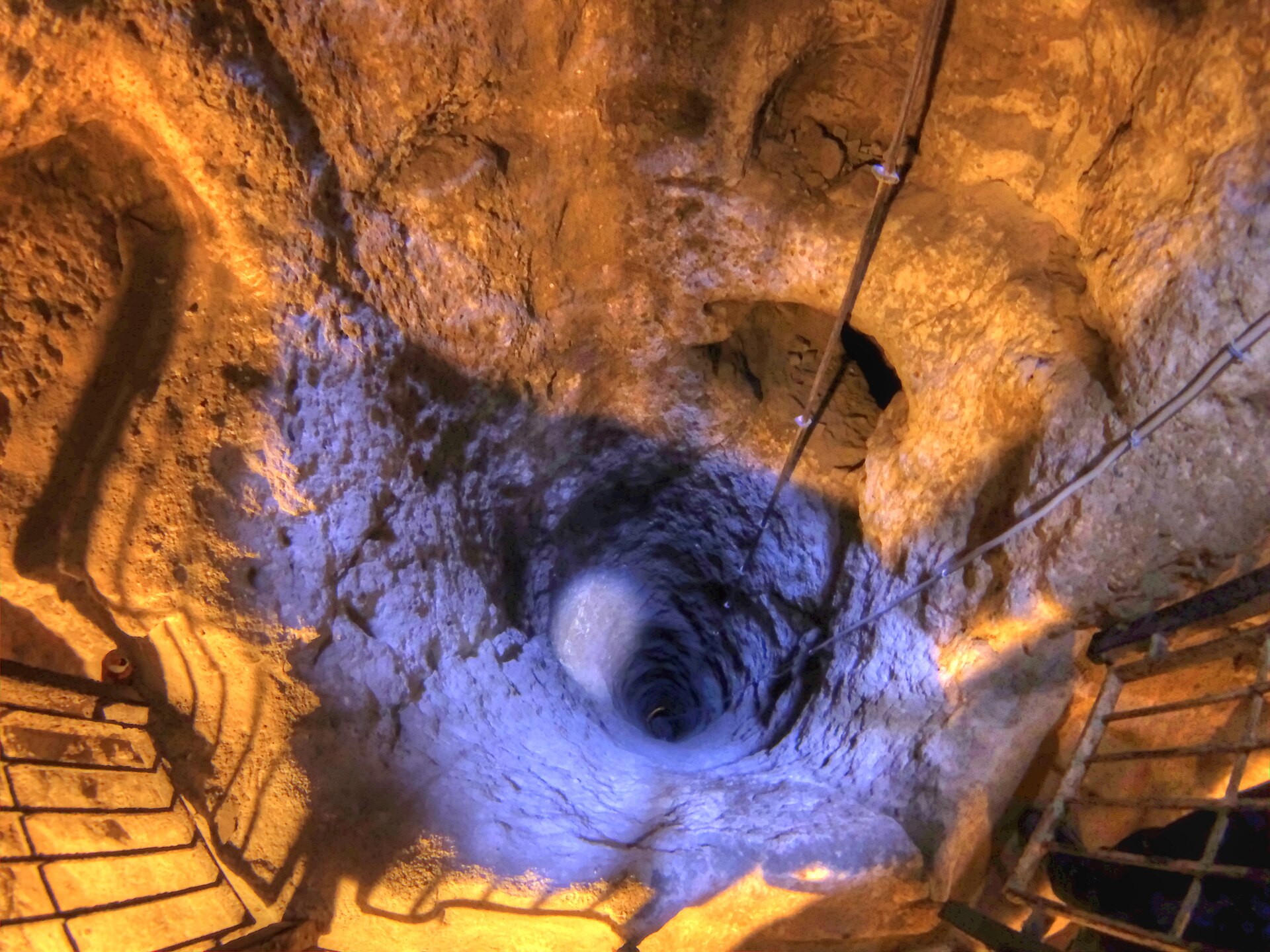
The Culture Portal describes Derinkuyu as an eight-level underground city, opened in 1965, of which about ten percent can be visited. It lists a missionary school, a confession place and a baptismal pool.
Wikipedia adds that it is carved mostly into tuff, has large rolling stone doors that close each floor separately, and had amenities including stables, cellars and chapels. Wikipedia says it was possibly first cut by the Phrygians in the 8th to 7th century BC and enlarged during the Arab-Byzantine wars of about 780-1180.
Kaymaklı
The Culture Portal says Kaymaklı has eight floors and was opened in 1964, with four floors visitable. Large rolling stones close its doors from the inside.
Sources differ on origin. The Culture Portal dates the first floor to the Hittite period, while Wikipedia says the caves may first have been built by Phrygians. Protection from raids during the Arab-Byzantine wars is also noted.
Rock-cut churches in Göreme
Göreme has the most painted churches in Cappadocia. UNESCO dates Tokalı and El Nazar to the 10th century, St Barbara and Saklı to the 11th, and Elmalı and Karanlık to the end of the 12th or early 13th century.
UNESCO lists El Nazar, Elmalı and Meryemana among monuments endangered by erosion. Criterion (v) is described as vulnerable to erosion and tourism.
Zelve and Paşabağ
The Ministry of Culture and Tourism page is titled Zelve-Paşabağlar Archaeological Site. Zelve has three valleys on the northern slopes of Aktepe, and the date of first settlement is uncertain.
Paşabağ, formerly the Valley of the Priests, has chimneys carved into chapels and living spaces, including a three-headed chimney with a chapel of St Simeon. Wikipedia describes Zelve as a religious centre from the 9th to the 13th centuries.
What this page leaves out
Depth, capacity and length figures that conflict between sources, plus prices and opening hours, are omitted.
Frequently asked questions
How deep is Derinkuyu?
Sources give different figures, so this page does not state one. The Culture Portal describes eight levels.
How much of Derinkuyu can visitors see?
About ten percent, according to the Culture Portal.
How many floors of Kaymaklı can be visited?
Four of its eight floors, according to the Culture Portal.
Are the underground cities UNESCO-listed?
UNESCO names Derinkuyu and Kaymaklı among the subterranean cities of the Cappadocia property.
Which Göreme churches are the oldest?
UNESCO dates Tokalı and El Nazar to the 10th century.
Related on TurkGT
- Derinkuyu Underground City
- Kaymaklı Underground City
- Göreme Open Air Museum
- Paşabağ (Monks Valley)
- Göreme
- Göreme National Park and the Rock Sites of Cappadocia
- Türkiye’s UNESCO Intangible Heritage: 32 Living Traditions
- Neolithic Anatolia: Göbekli Tepe, Çatalhöyük and Arslantepe
- Ottoman Mosques and Complexes to Know in Türkiye
- Ancient Roman and Greek Cities in Türkiye: Ephesus to Aspendos
- Tur Abdin and Syriac Heritage: Monasteries of Mardin and Midyat
Sources
- UNESCO World Heritage Centre: Göreme National Park and the Rock Sites of Cappadocia
- Wikipedia: Derinkuyu underground city
- www.kulturportali.gov.tr
- Wikipedia: Kaymakl%C4%B1 Underground City
- www.kulturportali.gov.tr
- Wikipedia: G%C3%B6reme Open Air Museum
- muze.gov.tr
- Wikipedia: Avanos
- Wikipedia: G%C3%B6reme
Last reviewed: 2026-11-16. Opening hours, ticket prices and other changeable visitor details are not listed here because we have not verified them; check the official source before you travel.