
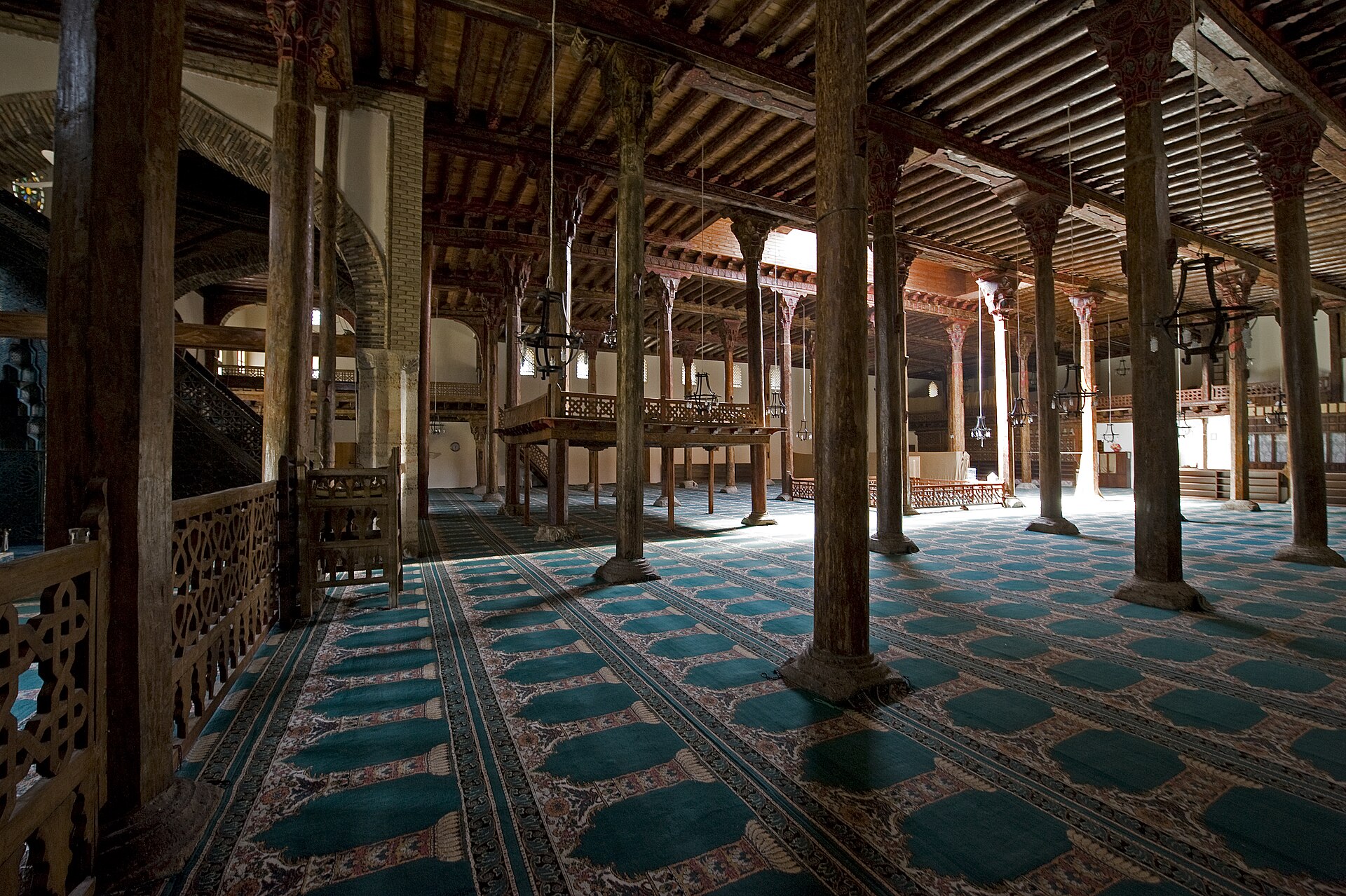
The Wooden Hypostyle Mosques of Medieval Anatolia are five working mosques in five Turkish provinces, built between the late 13th and mid-14th centuries. UNESCO inscribed them in 2023 as the most representative early wooden mosques in the world. Visitors come for forests of carved timber columns, painted ceilings and rare walnut pulpits.
Key facts
- Type: Serial UNESCO World Heritage Site, five working mosques
- Inscribed: 2023, criteria (ii) and (iv), UNESCO reference 1694
- Components: Afyon Great Mosque (Afyonkarahisar), Sivrihisar Great Mosque (Eskişehir), Arslanhane (Ankara), Eşrefoğlu (Beyşehir, Konya), Mahmut Bey (Kasaba, Kastamonu)
- Date range: 1272 to 1367, late 13th to mid-14th century
- Location: Central and northern Anatolia, five provinces
- From airports and cities: Ankara is the usual hub; Afyon is about 250 km southwest of Ankara and Kastamonu Airport is 12 km from Kastamonu city
- Best season: Spring and autumn (May-June, September-October)
- Typical visit time: 1 hour per mosque; 2 to 5 days for all five
- UNESCO status: World Heritage Site since 2023
- Entrance: Working mosques: see the official page of the Directorate General of Foundations and the Ministry of Culture and Tourism
What are the Wooden Hypostyle Mosques of Medieval Anatolia and why visit?
They are five Seljuk and beylik-era mosques whose roofs rest on rows of wooden columns inside plain stone walls. UNESCO calls them the most representative early surviving wooden Islamic buildings in the world. You visit them to see medieval carpentry, painted ceilings and carved pulpits in places where people still pray.
The five mosques share one plan. The exterior is stone, while the interior holds many rows of structural timber columns topped by muqarnas capitals or reused stone capitals. These columns carry a flat wooden ceiling and the roof. This is the meaning of the word hypostyle.
The mosques sit in five different provinces. As a result, a full visit is a road trip across Anatolia rather than a single-city stop. However, each mosque also works as a short stop on a trip through Ankara, Konya, Eskişehir, Afyonkarahisar or Kastamonu.
Visitors usually name these reasons for going.
- See timber columns, muqarnas capitals and painted beams in working Seljuk-era mosques.
- Compare five different regional versions of one medieval building type.
- Study kundekari, the tongue-and-groove woodworking used on some pulpits.
- Combine the mosques with Konya, Ankara, Safranbolu or Eskişehir on one route.
- Add quieter small-town stops such as Sivrihisar, Beyşehir and Kasaba village.
What is the history behind the mosques?
The mosques date from the late 13th to the mid-14th century, a period of Seljuk decline and small beylik states. UNESCO links the building type to the Mongol invasions of the 1240s and the Central Asian craftspeople who arrived afterwards and knew wooden construction.
The type itself is older. UNESCO says wooden hypostyle architecture originated in early Islamic architecture of the Arab region and Central Asia and reached Anatolia in the medieval period. Moreover, the five mosques exerted influence across Anatolia between the 14th and the early 20th centuries.
Each building has its own patron. Süleyman Bey of the Eshrefid beylik commissioned the Eşrefoğlu Mosque in 1296. A member of the Candarid house commissioned the Mahmut Bey Mosque in 1366. In Ankara, Ahi leaders were behind Arslanhane, and Ahi leader Şerafettin repaired it in 1330.
The table below lists the construction dates given by UNESCO for each mosque.
| Mosque | Province | UNESCO date | Patron or note |
|---|---|---|---|
| Afyon Great Mosque | Afyonkarahisar | 1272-77 | Anatolian Seljuk period |
| Sivrihisar Great Mosque | Eskişehir | 1274-75 | Later minaret and repairs |
| Arslanhane (Ahi Şerafettin) | Ankara | 1289-90 | Repaired in 1330 by Ahi leader Şerafettin |
| Eşrefoğlu Mosque | Konya (Beyşehir) | 1296-99 | Süleyman Bey of the Eshrefid beylik |
| Mahmut Bey Mosque | Kastamonu (Kasaba) | 1366-67 | Candarid patron |
What is there to see at each mosque?
Each mosque has a different highlight. Afyon has a nine-nave wooden roof on 40 columns. Sivrihisar has 67 columns and a carved walnut pulpit. Arslanhane has 24 large columns and Seljuk tiles. Eşrefoğlu has 42 cedar columns. Mahmut Bey has painted wood and a nail-free structure.
At Afyon, the carved capitals use stalactite decoration, and the brick minaret has glazed lozenge patterns that survive from Seljuk times. Next to the mosque, the castle crag rises above the old town. Moreover, a former Mevlevi lodge there is now a museum.
In Ankara, Arslanhane stands in the old quarter next to the castle. Its name means the house of the lion, after a lion statue buried in the walls. At Beyşehir, the Eşrefoğlu Mosque has a central snow pit that once cooled the building in summer.
The Mahmut Bey Mosque in Kasaba is known as the mosque without nails. Its wood surfaces carry painted vegetal ornament. The original portal is now in the Kastamonu ethnography museum, and a replica stands in its place.
These are the details worth looking for inside each building.
- Muqarnas capitals at the top of the timber columns.
- Painted beams, consoles and ceilings.
- Kundekari woodwork on pulpits and doors.
- Mihrab tilework and calligraphy.
- Spolia, meaning reused stone fragments, in walls and column bases.
The table below summarises the main features of each mosque at a glance.
| Mosque | Timber supports | Feature to look for | Nearby sight |
|---|---|---|---|
| Afyon Great Mosque | 40 columns, nine naves | Stalactite capitals, brick minaret | Afyon Castle, Mevlevi museum |
| Sivrihisar Great Mosque | 67 columns, six naves | Walnut pulpit, painted columns | Old town, Kilim Museum |
| Arslanhane, Ankara | 24 large columns | Seljuk tiles, spolia walls | Ankara Castle |
| Eşrefoğlu, Beyşehir | 42 cedar columns | Snow pit, grand portal | Lake Beyşehir |
| Mahmut Bey, Kasaba | Timber structure without nails | Painted wood, nail-free build | Kastamonu old town |
How do you get to the mosques and get around?
Ankara is the simplest base for four of the five mosques. Afyon, Sivrihisar and Arslanhane lie on or near the Ankara corridor, Beyşehir is reached through Konya, and Kasaba is a short drive from Kastamonu. A hire car or private transfer gives the most flexibility.
Inter-city buses link most towns. Wikivoyage lists buses from Ankara to Afyon taking about 3 hr 30 min and from Istanbul about 7 hours, with 2022 data. Schedules change, so check the current timetable before you travel.
Sivrihisar lies 100 km east of Eskişehir and 140 km west of Ankara. Beyşehir is 90 km west of Konya. Kasaba is about 17 km northwest of Kastamonu, which has an airport 12 km south of the city.
The table below shows typical access to each mosque from a main hub; check current timetables.
| Mosque | Nearest hub | Typical access | Duration (typical) |
|---|---|---|---|
| Afyon Great Mosque | Ankara or Istanbul | Intercity bus or car | About 3.5 h from Ankara, about 7 h from Istanbul by bus |
| Sivrihisar Great Mosque | Eskişehir or Ankara | Road D200, bus or car | 100 km from Eskişehir, 140 km from Ankara |
| Arslanhane | Ankara city | Taxi or walk up the castle hill | Within the city; allow time for the climb |
| Eşrefoğlu Mosque | Konya | Bus or car along D330 | About 2 h by bus from Konya, 90 km |
| Mahmut Bey Mosque | Kastamonu | Taxi or car to Kasaba village | About 17 km northwest of the city; flight from Istanbul about 75 min, check current timetable |
When is the best time to visit?
Spring and autumn suit the five mosques best. Temperatures are moderate, roads are open and light is good for photography inside the dim prayer halls. Summer is hot in Central Anatolia, while winters can be cold at altitude, as in Beyşehir at 1123 m and Kastamonu at about 900 m.
The table below compares the seasons for a multi-province drive.
| Season | Weather | Crowds | Notes |
|---|---|---|---|
| Spring (April-June) | Mild, some rain | Low | Good light; green countryside around Kastamonu and Beyşehir |
| Summer (July-August) | Hot and dry inland | Moderate | Start early; interiors stay cooler than the street |
| Autumn (September-November) | Mild, cooling | Low | Often the easiest weather for a long route |
| Winter (December-March) | Cold, snow possible at altitude | Very low | Check road conditions before driving to Kasaba or Beyşehir |
How long should you stay?
Allow about an hour at each mosque, plus travel time between towns. One mosque fits into a half day, two or three fit into a day, and all five need two to five days depending on your starting point and whether you drive. Check the current timetable for buses.
The table below suggests four ways to organise your time.
| Plan | Duration | Route idea | Best for |
|---|---|---|---|
| Half day | 3-4 hours | Arslanhane and Ankara Castle quarter | Short stopover in Ankara |
| One day | 8-10 hours | Ankara, Sivrihisar and back, or Konya and Beyşehir | Travellers with a car or transfer |
| 2-3 days | Two to three nights | Ankara, Sivrihisar, Afyon, Konya and Beyşehir | Architecture enthusiasts |
| 4-5 days | Four to five nights | All five mosques with Kastamonu and Kasaba | Full UNESCO serial visit |
What practical tips should you know before visiting?
These are working mosques, so dress and behave as for worship. Cover shoulders and knees, remove shoes, and women should carry a headscarf. Avoid visiting during prayer times. Check entry rules and opening hours on the official pages of the Directorate General of Foundations and the Ministry of Culture and Tourism.
Ownership matters here. UNESCO notes that the mosques are owned by the Directorate General of Foundations. In practice, access follows prayer times rather than museum hours. Ask politely before photographing worshippers and do not use flash on painted wood.
Accessibility varies. Several of the mosques are in old quarters with slopes and steps, and Arslanhane sits on a hill above the city. Therefore check access with the local office before a visit if you use a wheelchair or have limited mobility.
Keep these etiquette points in mind at every mosque.
- Dress modestly and carry a scarf.
- Take off shoes and carry them in a bag.
- Keep your voice low and do not walk in front of people praying.
- Check prayer times and avoid Friday midday.
- Photograph interiors without flash and avoid people at prayer.
- Carry small change for donations or parking, and ask before using a drone.
Where should you stay and eat?
Stay in a regional centre and visit the smaller towns from there. Ankara (around Ulus and Kızılay), Konya city centre, Afyonkarahisar near the castle and Kastamonu old town offer the widest choice of hotels and restaurants. Sivrihisar, Beyşehir and Kasaba have simpler options.
Afyon is known for its thermal hotels, and Wikivoyage notes that underground heat makes this a geothermal area with many hotel spas. In Konya, try etli ekmek and local pastries. In Kastamonu, look for regional dishes in the old town. Book ahead in July and August.
These areas make practical bases.
- Ankara: the old quarter near the castle for Arslanhane.
- Afyonkarahisar: the area below the castle for the Great Mosque.
- Konya: city centre for Mevlana sights and the Beyşehir road.
- Kastamonu: old town for Kasaba village.
What are the nearby places and day trips?
Each mosque has useful neighbours within a day trip. From Konya you reach the Mevlana area and Çatalhöyük. From Ankara you reach Gordion and the Museum of Anatolian Civilisations. From Kastamonu you can continue to Safranbolu, which is also a World Heritage Site.
The wider Central Anatolia route links Divriği Great Mosque and Hospital, another medieval Anatolian UNESCO site. As a result, the five mosques fit well into a longer Seljuk heritage itinerary. Moreover, Konya, Ankara and Eskişehir each offer museums and old quarters for a second day.
Consider these related pages on TurkGT.
- Afyonkarahisar, Konya, Kastamonu, Ankara and Eskişehir provincial guides.
- Safranbolu (WHS-008) for Ottoman houses.
- Gordion (WHS-020) for the Phrygian capital.
- Çatalhöyük (WHS-011) near Konya.
- Divriği Great Mosque and Hospital (WHS-003) for another Seljuk site.
Plan this with TurkGT
TurkGT is based in Istanbul and can arrange guided trips, private transfers, a licensed guide or an interpreter for a route through these mosques. Message us on WhatsApp with your dates, group size and preferred mosques. We confirm the plan and the details with you by WhatsApp before you travel.
Frequently asked questions
What are the Wooden Hypostyle Mosques of Medieval Anatolia?
They are five mosques in Afyonkarahisar, Sivrihisar, Ankara, Beyşehir and Kasaba village that UNESCO inscribed in 2023. Each has a stone exterior and an interior with rows of wooden columns supporting a wooden roof.
Which five mosques are on the list?
The Afyon Great Mosque, Sivrihisar Great Mosque, Arslanhane (Ahi Şerafettin) Mosque in Ankara, Eşrefoğlu Mosque in Beyşehir and Mahmut Bey Mosque in Kasaba, Kastamonu.
When were they inscribed and under which criteria?
UNESCO inscribed the property in 2023 under criteria (ii) and (iv), as reference 1694.
Can tourists enter the mosques?
Yes, outside prayer times, with modest dress and shoes removed. These are working mosques, so check the official page for current access.
Do the mosques charge an entrance fee?
Fees and opening rules can change, so check the official page of the Directorate General of Foundations or the Ministry of Culture and Tourism.
Why is the Mahmut Bey Mosque called the mosque without nails?
Wikipedia says no cement is used except for the mihrab and the roof has no metal element, hence the name Çivisiz Cami.
Can you visit all five in one trip?
Yes, but they are in five provinces. Plan two to five days by car or private transfer, and check current road and bus timetables.
What is the best base for a first visit?
Ankara works well for Arslanhane and Sivrihisar, Konya for Beyşehir, Afyonkarahisar for its own mosque and Kastamonu for Kasaba.
Sources
- UNESCO World Heritage Centre: Wooden Hypostyle Mosques of Medieval Anatolia
- Wikipedia: Wooden Hypostyle Mosques of Medieval Anatolia
- Wikipedia: Grand Mosque of Afyonkarahisar
- Wikipedia: Grand Mosque of Sivrihisar
- Wikipedia: Aslanhane Mosque
- Wikipedia: Eşrefoğlu Mosque
- Wikipedia: Mahmut Bey Mosque
- Wikivoyage: Afyonkarahisar
- Wikivoyage: Beyşehir
- Wikivoyage: Kastamonu
- Wikivoyage: Sivrihisar
- Wikivoyage: Ankara
Last reviewed: 2026-11-17. Opening hours, ticket prices and other changeable details are not listed because they change; check the official source before you travel.