
The best times to visit Konya are spring and autumn, when days are mild and walking between sights is easy. Summer is hot and dry, though Meram’s gardens offer relief. Winter is cold, but it brings the Seb-i Arus commemoration around 17 December, when the Sema ceremony runs more often.
Key facts
- Best seasons: Spring and autumn
- Climate: Continental: cold winters, hot dry summers
- Seb-i Arus: Around 17 December; more Sema performances in the weeks before (per Wikivoyage)
- Regular Sema: Saturday 19:00 in winter, 20:00 in summer (per Wikivoyage, Nov 2023)
- Summer retreat: Meram Gardens, about 1,028 m elevation
- Low season feel: Quieter streets in January and February
- Check before travel: Weather forecast and event dates
When is the best time to visit Konya?
The best time to visit Konya is spring, from April to early June, and autumn, from September to November. Temperatures are comfortable, the sky is often clear, and you can walk between Alaaddin Hill, the Mevlana Museum and the Bedesten comfortably. Therefore, these months suit first-time visitors who want to see many sights in two days.
Konya lies on a high plain and has a continental climate. Winters are cold and can bring snow, whereas summers are hot and dry. In contrast to the coast, humidity is low, so shade and water matter more than sunscreen alone. Always check the forecast a few days before you arrive.
Crowd levels also follow the seasons. Spring and autumn weekends can bring more visitors, particularly Turkish families on short holidays. In contrast, midweek mornings are calmer in every season. Therefore, if you want quiet time inside the Mevlana Museum, arrive close to opening time and avoid public holidays when possible.
A quick seasonal summary:
- Spring: mild days, green gardens, good for walking.
- Summer: hot and dry; plan sightseeing for early morning and evening.
- Autumn: comfortable temperatures and softer light for photography.
- Winter: cold, quieter, with special Sema events near 17 December.
The table below summarises what each season offers; the descriptions are general and weather varies from year to year.
| Season | What to expect | Best for | Plan for |
|---|---|---|---|
| Spring (Mar-May) | Mild, changing weather | Sightseeing, gardens | Bring a light jacket |
| Summer (Jun-Aug) | Hot and dry | Evening walks, Meram | Start early, drink water |
| Autumn (Sep-Nov) | Comfortable, clear | City tours, day trips | Layers for evenings |
| Winter (Dec-Feb) | Cold, possible snow | Sema season, quiet streets | Warm clothes, check roads |
What is Konya like month by month?
Month by month, the city changes mood. January and February are cold and quiet, and you may share the Mevlana Museum with fewer visitors. March and April warm up gradually. May and June are among the most pleasant months. July and August are hot, so the day starts early and ends late.
September and October bring relief and clear days that suit longer excursions. November cools quickly. December is special because of Seb-i Arus on 17 December, which marks the anniversary of Rumi’s death. Moreover, religious holidays and Ramadan shift each year, so verify dates before you book.
Daylight matters too. Winter days are short, so you have fewer hours for outdoor sights, while summer days are long and let you sightsee into the evening. Moreover, the light on Seljuk brickwork and tile is especially soft in the early morning and late afternoon, which helps photographers throughout the year.
Use the month table as a planning aid rather than a forecast.
| Month | Mood | Good to know |
|---|---|---|
| January | Cold, quiet | Fewer crowds at the main sights |
| February | Cold, quiet | Indoor museums are comfortable |
| March | Cool, changeable | Pack layers |
| April | Mild | Gardens begin to green |
| May | Pleasant | Good for day trips |
| June | Warm, dry | Start the day early |
| July | Hot | Plan indoor breaks |
| August | Hot | Best for evening activity |
| September | Comfortable | Excellent for sightseeing |
| October | Comfortable | Soft light, easy walking |
| November | Cool | Check the forecast |
| December | Cold, event season | Seb-i Arus around 17 December |
When can you see the Sema ceremony?
The Sema, the whirling dervish ceremony, is staged at the Mevlana Cultural Centre. According to Wikivoyage, it is held traditionally on Saturday evenings, at 19:00 in winter and 20:00 in summer. In the weeks before 17 December, performances can run up to twice daily. Therefore, December is the busiest time for Sema, and tickets sell online.
Because schedules and ticket prices change, confirm the current programme before you plan your evening. In addition, the Sema is a religious ritual, so watch quietly and follow the venue’s rules about photography and behaviour.
If you cannot visit on a Saturday, consider shifting your trip rather than missing the ceremony entirely. A one-night stay that includes a Saturday gives you the evening for the Sema and the following morning for the museum. However, because ticket availability varies, book as soon as your dates are firm.
Tips for planning around the Sema:
- Aim for a Saturday stay if you visit outside December.
- Book early for the Seb-i Arus period.
- Arrive in good time to find your seat.
- Dress modestly and keep your phone silent.
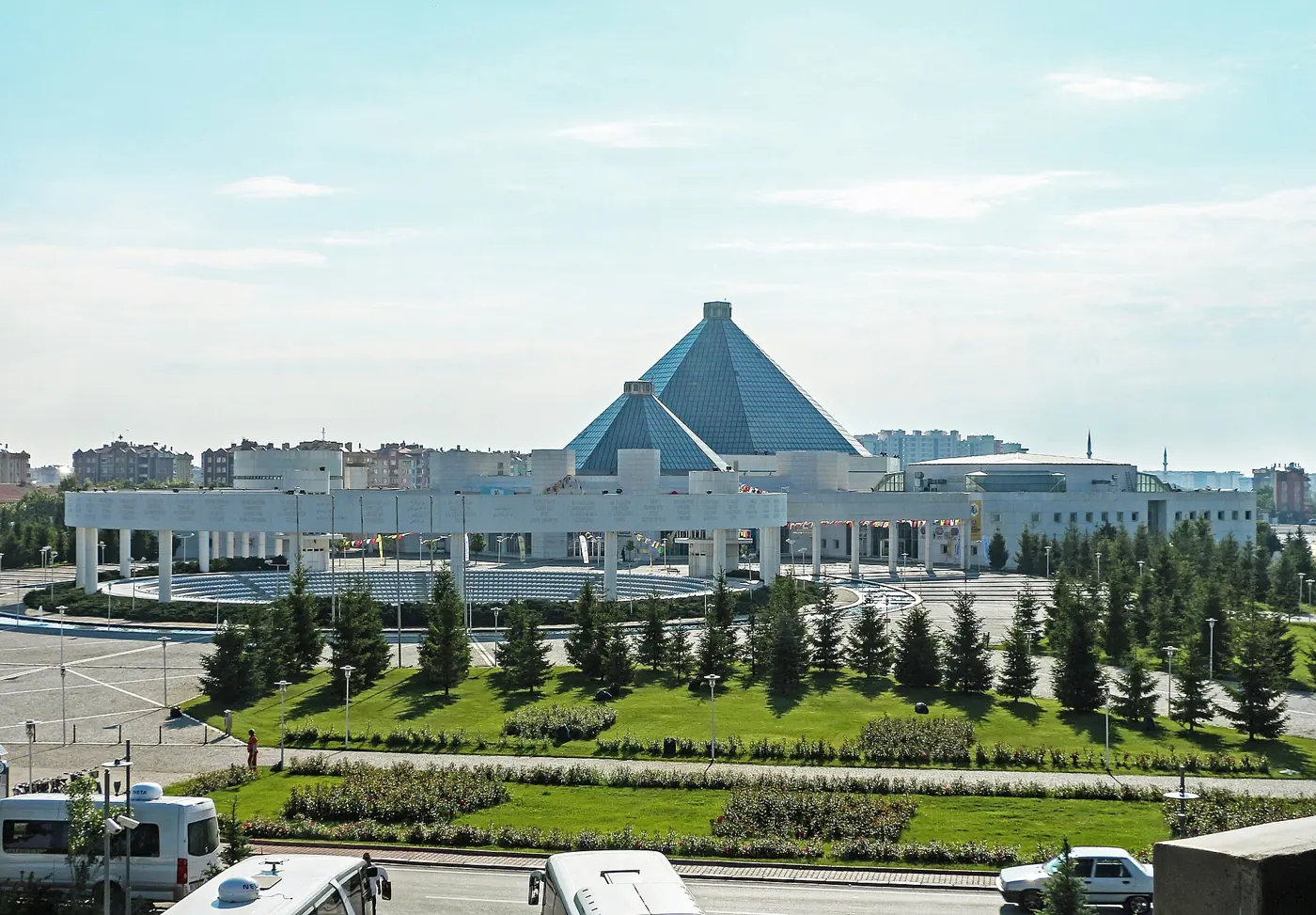
1 Mevlana Kültür Merkezi
The Mevlana Cultural Centre stages the authentic Sema ceremony, traditionally on Saturday evenings. Wikivoyage listed tickets as sold online, at 100-250 TL in November 2023, and noted extra performances before 17 December.
- Schedule: Saturday 19:00 winter, 20:00 summer (per Wikivoyage, Nov 2023)
- Tickets: Sold online, 100-250 TL (Nov 2023)
Show map
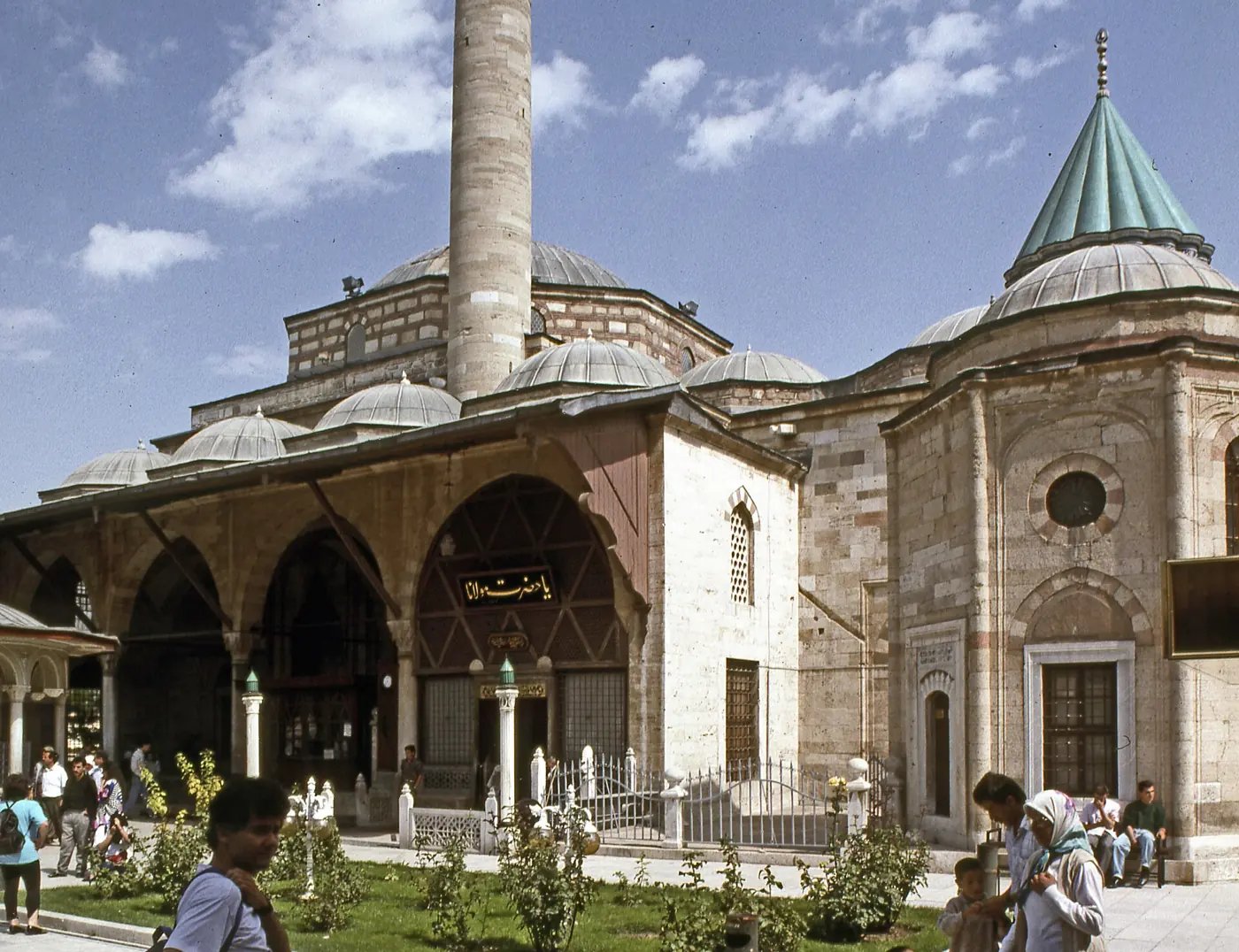
2 Mevlana Müzesi
The Mevlana Museum is open all year and is usually calmer in winter. It is the former Mevlevi dervish lodge and holds the mausoleum of Rumi, who died in 1273.
- Entry: Free (per Wikivoyage, Dec 2023)
- Hours: Daily 09:00-17:00 (per Wikivoyage, check locally)
Show map
Where should you go in each season?
In spring and early summer, head to the Meram Gardens, the garden and vineyard belt on the south-western edge of Konya. It is the city’s traditional summer retreat for walks and picnics. Lake Beyşehir, the largest freshwater lake in Türkiye, is popular for boat trips and lakeside picnics in warm months.
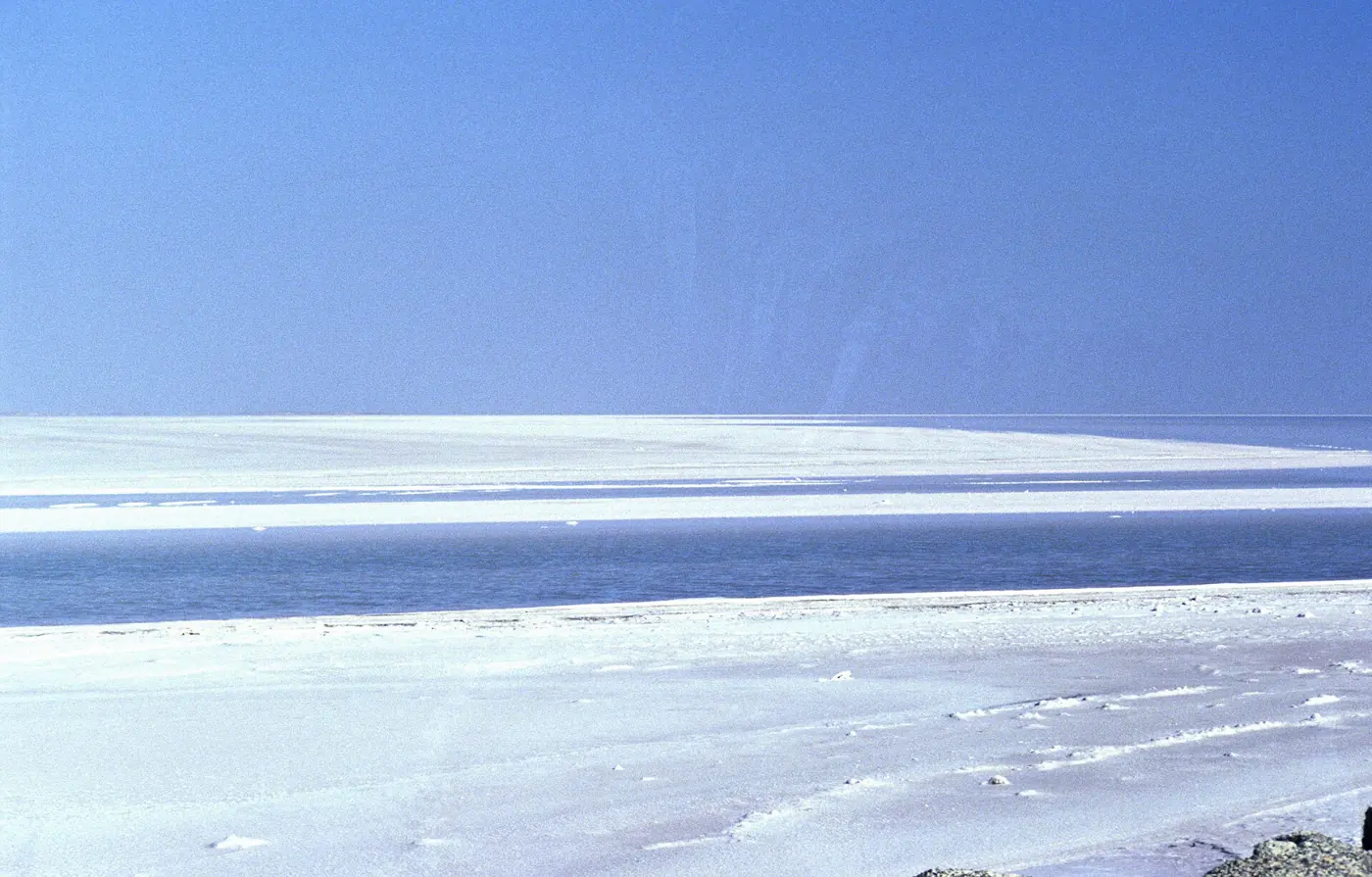
In autumn, Lake Tuz is a well-known photography spot about 105 km north-east of Konya, while Sille suits a gentle half-day with old houses and churches. Moreover, indoor museums such as the Mevlana Museum work in any weather, which makes winter visits rewarding if you dress warmly.
Packing also changes with the season. In winter, bring a warm coat, gloves and waterproof shoes. In summer, bring a hat, sunglasses and a light scarf that doubles as a head covering for mosques. Moreover, comfortable walking shoes help in every month, because the old streets and the paths in Sille are uneven in places.
Seasonal ideas:
- Spring: gardens, city walks and day trips.
- Summer: Meram, early starts and cool evenings.
- Autumn: Sille, Lake Tuz and photography.
- Winter: museums, Sema nights and Seb-i Arus.
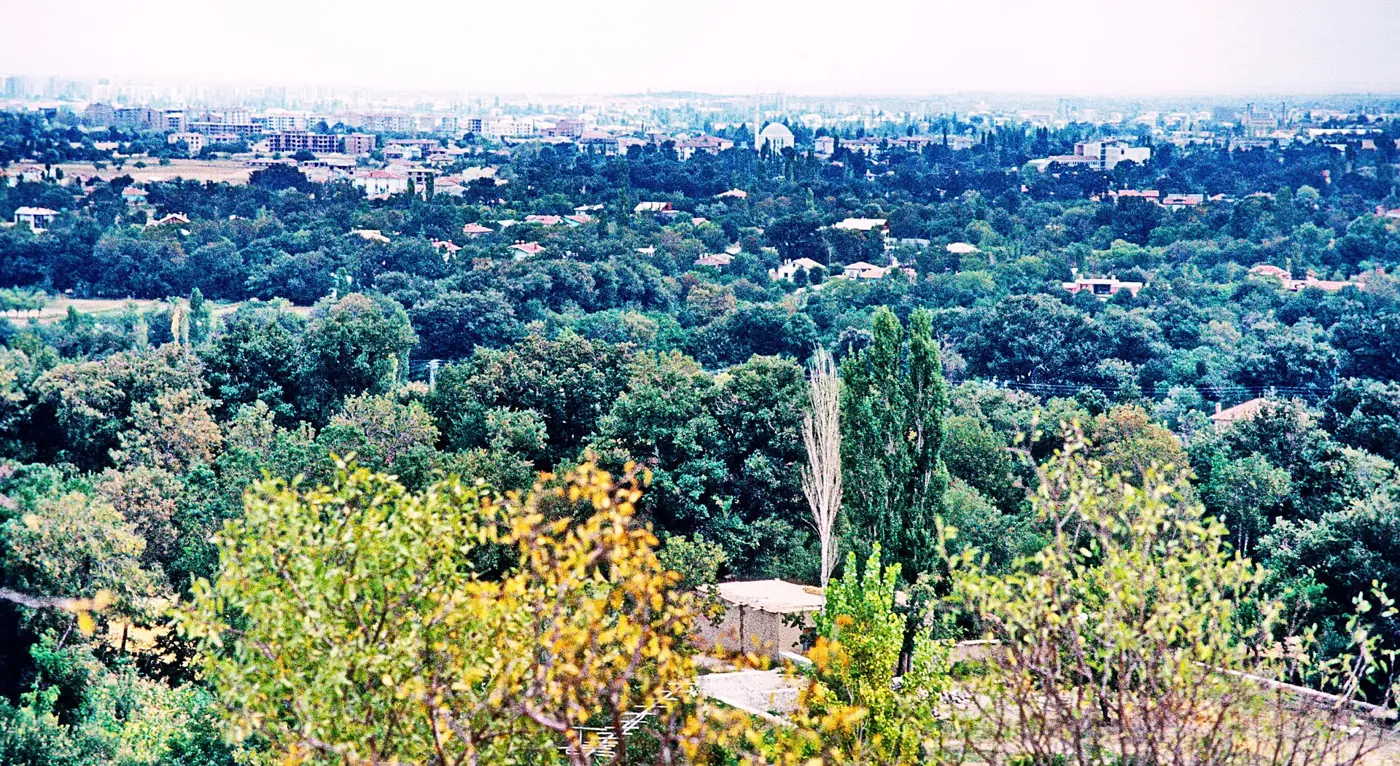
3 Meram Bağları
Meram Gardens is the garden and vineyard belt of Meram district and the traditional summer retreat of Konya. It sits at about 1,028 m and is known for garden houses and green hillsides above the plain.
- District: Meram, south-west Konya
- Elevation: About 1,028 m
Show map
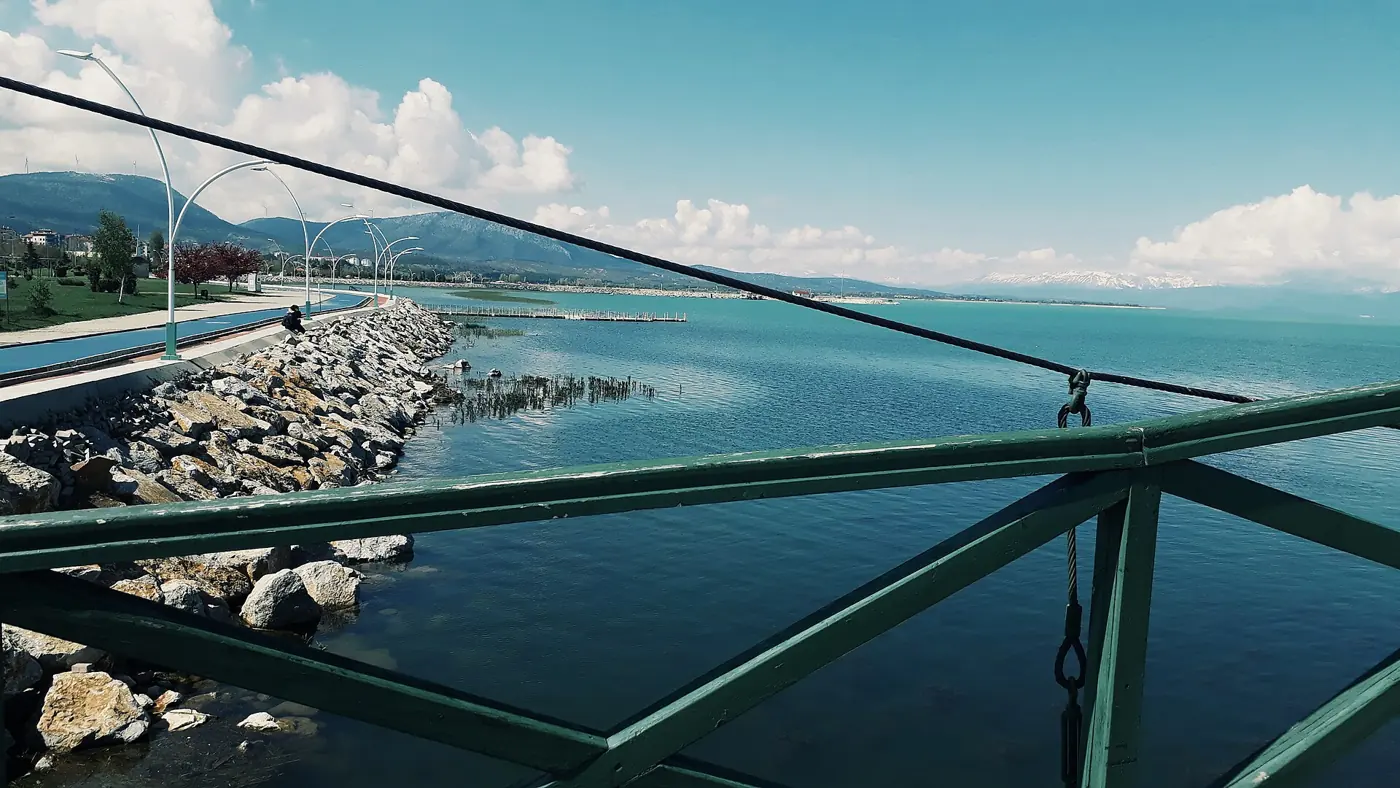
4 Beyşehir Gölü
Lake Beyşehir is the largest freshwater lake in Türkiye, about 45 km long and 20 km wide. It is popular for boat trips, fishing and lakeside picnics.
- Area: About 650 km2
- Province: Konya and Isparta
Show map
5 Tuz Gölü
Lake Tuz is the second largest lake in Türkiye and one of the largest hypersaline lakes in the world. It is about 105 km north-east of Konya and a known photography spot.
- Area: About 1,665 km2
- Distance: About 105 km NE of Konya
Show map
6 Sille
Sille is a former Greek village about 11 km north-west of Konya, with rock-cut churches and old houses. Lines 64 A and 64 B run there from the centre, per Wikivoyage.
- Distance: About 11 km NW of downtown
- Bus: Lines 64 A and 64 B
Show map
How we prepared this guide
We based this guide on public sources such as Wikivoyage and Wikipedia and avoided exact temperatures, because they change from year to year. We do not accept payment for placement. Event dates, ticket prices and ratings also change, so confirm them on the venue’s page and on Google Maps.
Sample plans for different seasons
In spring, spend the morning at the Mevlana Museum and the afternoon in Meram. In summer, reverse it: sightsee early, rest during the heat, and return to the gardens in the evening. In autumn, add Sille or Lake Tuz. In winter, build the day around museums and a Saturday Sema.
Therefore, the same two days in Konya can feel very different depending on the month. Moreover, a private driver helps in extreme heat or cold because you move between sights in comfort.
Pick a pattern that matches your season.
| Season | Morning | Afternoon | Evening |
|---|---|---|---|
| Spring | Mevlana Museum | Meram Gardens | Dinner in the centre |
| Summer | Early museum visit | Rest or indoor stop | Meram or Alaaddin Hill |
| Autumn | Sille | Lake Tuz or the Bedesten | Quiet dinner |
| Winter | Museums | Archaeological Museum | Sema on Saturday |
Frequently asked questions
What is the best month to visit Konya?
May, June, September and October are often the most comfortable months. Temperatures are mild and walking is easy. Always check the forecast before you travel.
Is Konya too hot in summer?
Summers are hot and dry. Sightseeing in the early morning and evening is more comfortable. The Meram Gardens are a traditional summer retreat.
Does it snow in Konya?
Konya has a continental climate with cold winters, and snow is possible. Pack warm clothes and check road conditions if you drive.
When is Seb-i Arus?
Seb-i Arus is commemorated around 17 December. Wikivoyage notes that Sema performances can run up to twice daily in the weeks before it. Check the official programme for exact dates.
When is the Sema ceremony held outside December?
Wikivoyage lists it as traditionally held on Saturday evenings, at 19:00 in winter and 20:00 in summer (November 2023). Confirm the current schedule and book tickets online.
Is Ramadan a bad time to visit?
Not necessarily. Some restaurants adjust their hours during the day. The dates shift each year, so check them and plan meals accordingly.
Is Konya crowded in peak season?
The Mevlana Museum and the Sema can be busy around holidays and in December. Visiting early in the day and booking tickets ahead helps.
How many days do I need in Konya?
Two days cover the main sights in the centre plus a half-day trip. Add more time for Çatalhöyük and Lake Beyşehir.
Plan this with TurkGT
TurkGT can plan your Konya trip around the right season, with a private car and driver, a licensed guide and hotel booking. Send us your dates and group size by WhatsApp or through the form on TurkGT, and we will reply with a clear plan.
Request a booking
Related guides
- Getting to Konya: High-Speed Train, Flights and Road Options
- Istanbul or Ankara to Konya: Train, Flight, Bus and Car Compared
- Konya in Two Days: A Step-by-Step Itinerary
- Top 10 Hotels in Konya: Where to Stay by Area and Budget
- Best Restaurants in Konya: 10 Top Picks for Local Food
- Top Attractions in Konya: A Visitor Guide to the Main Sights
- Catalhoyuk and Archaeological Sites Around Konya
Related destinations and attractions
Explore more city guides
Sources
Last reviewed: 2026-11-21.