
Konya has three famous Seljuk madrasas: Ince Minare (1265), Karatay (1251) and Sircali (1242). Two are museums of stone, wood and tile works. Wikivoyage noted closures in 2022 and 2023 for some, so check before you go.
Key facts
- Ince Minare: Built 1265; stone and wood art museum
- Karatay: Built 1251; museum since 1954; tile works
- Sircali: Built 1242; tile work; gravestone museum
- Area: Around Alaaddin Hill
- Status: Check; Wikivoyage noted closures
- Walking time: Short walks between stops
- Best for: Seljuk art and architecture
What are the main historic madrasas in Konya?
The three best-known Seljuk madrasas in Konya are Ince Minare, Karatay and Sircali. Ince Minare dates to 1265 and now houses a museum of stone and wood works. Karatay dates to 1251 and displays tile work. Sircali dates to 1242 and is known for its tiles.
Moreover, two nearby museums help explain the period: the Sahib-i Ata madrasa and the Konya Archaeological Museum. Therefore, you can build a full Seljuk morning around Alaaddin Hill.
The key points are:
- Madrasas were Seljuk schools of religion and science
- They show carved stone and glazed tile
- Several are now museums
How did we choose these places?
We chose places registered on our site that public sources describe as Seljuk madrasas or related museums. The criteria are date, location and facts we can support. We do not accept payment for placement. Ratings change often, so we show none; use the Google Maps button on each card before you go.
However, restoration changes access often. Wikivoyage noted that Ince Minare had a temporary closure in Dec 2023 and that Sircali was closed in 2022. Therefore, always check the status on Google Maps.
Our criteria:
- Seljuk period and clear date
- Close to Alaaddin Hill
- Public sources for each fact
- No payment for placement
Which madrasas and museums should you see?
The cards below start with the three famous madrasas. They continue with the palace ruins, the Sahib-i Ata museum and two broader museums for context.
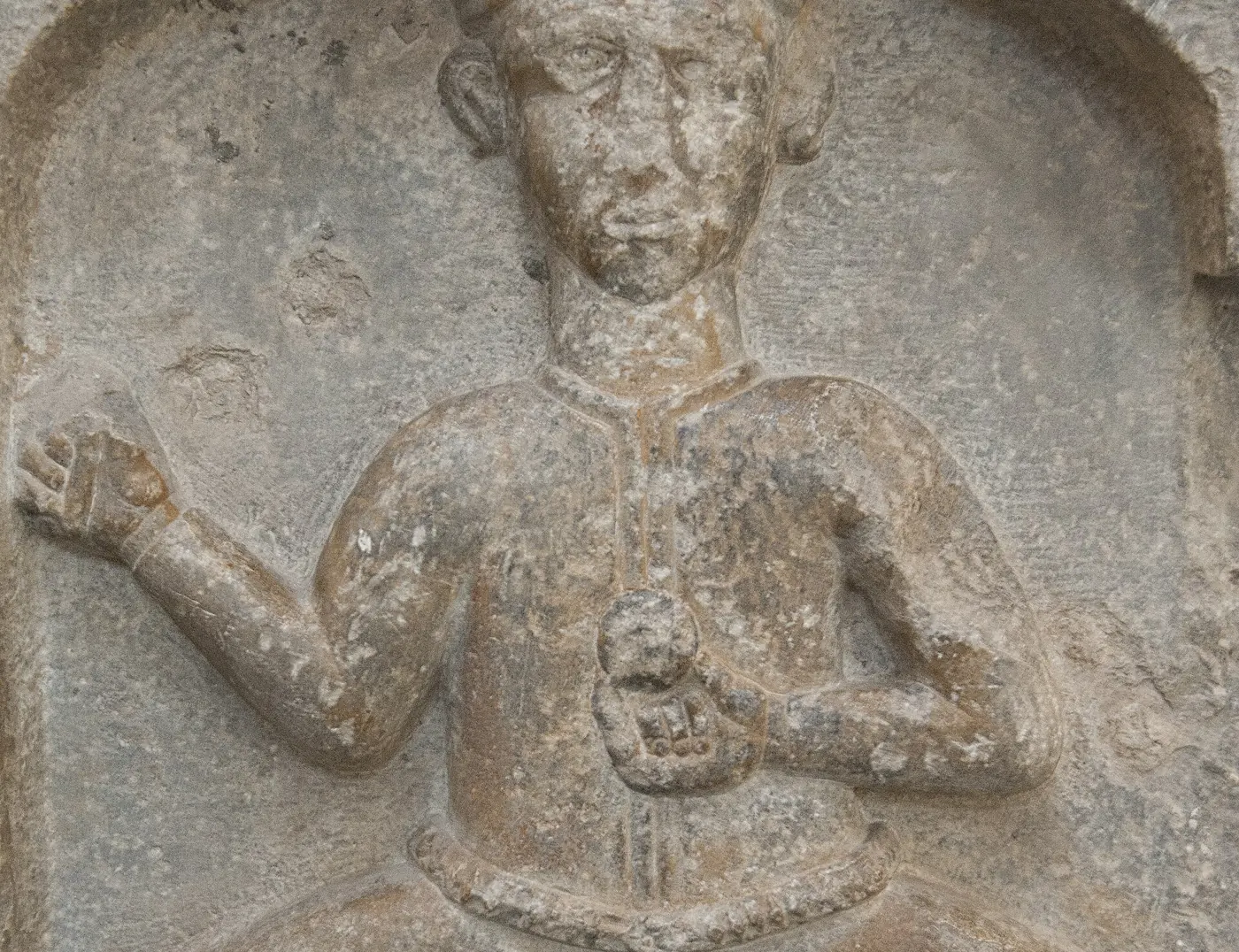
1 İnce Minareli Medrese Taş ve Ahşap Eserleri Müzesi
Ince Minare is a 13th-century Seljuk madrasa with rich stone carving. It is now a museum of stone and wood works. Its slender minaret was damaged by lightning in 1901 and rebuilt shorter.
- Built: 1265
- Address: Alaaddin Blv 15
- Status: Wikivoyage noted temporary closure in Dec 2023; check before visiting
Show map
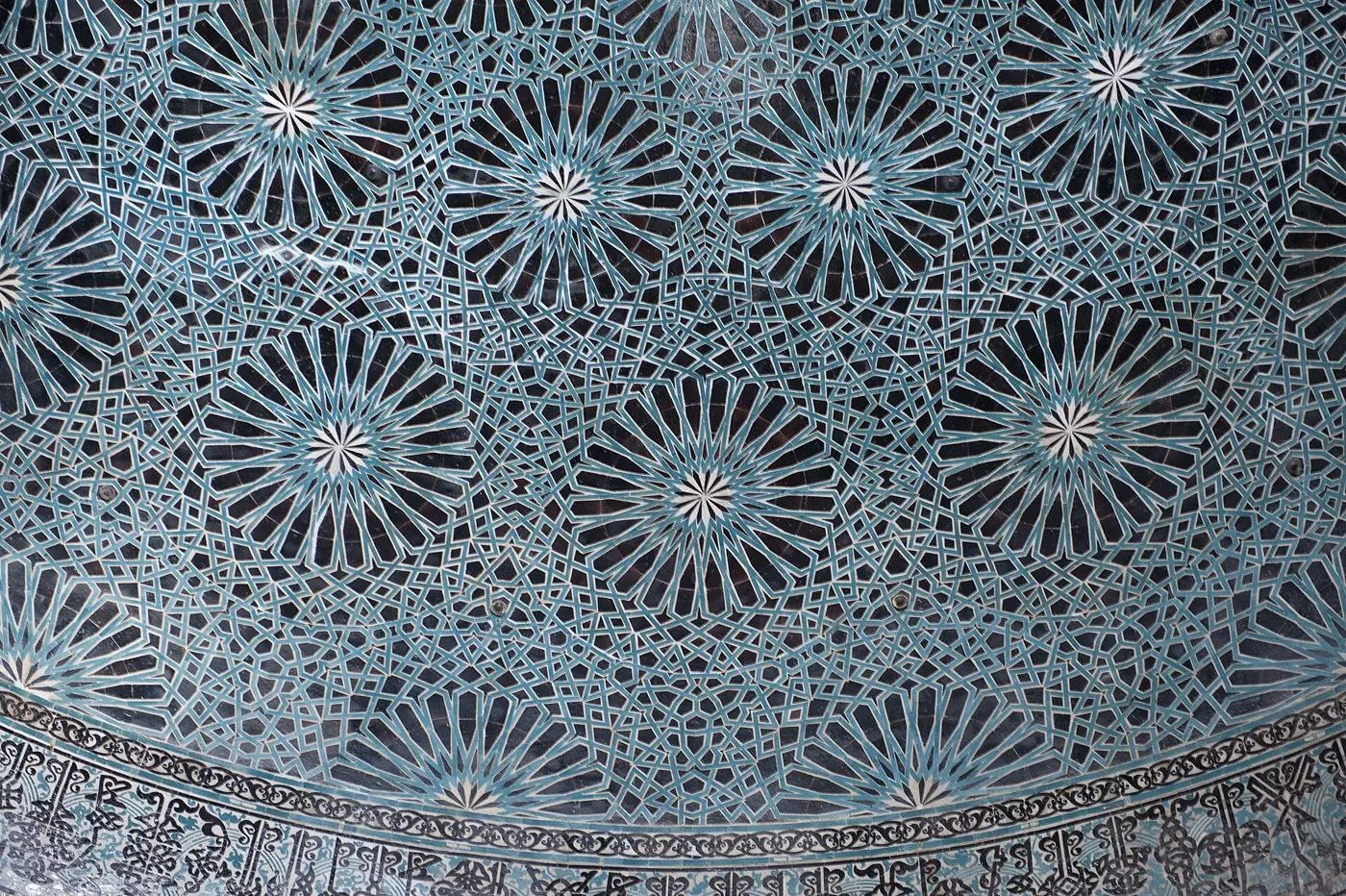
2 Karatay Medresesi
Karatay is a Seljuk madrasa from 1251 at the foot of the citadel hill. It has been a museum since 1954 and displays Seljuk tile work. It is across from the Seljuk palace ruins.
- Built: 1251
- Museum since: 1954
- Hours: Daily 09:00-19:00 (per Wikivoyage)
Show map
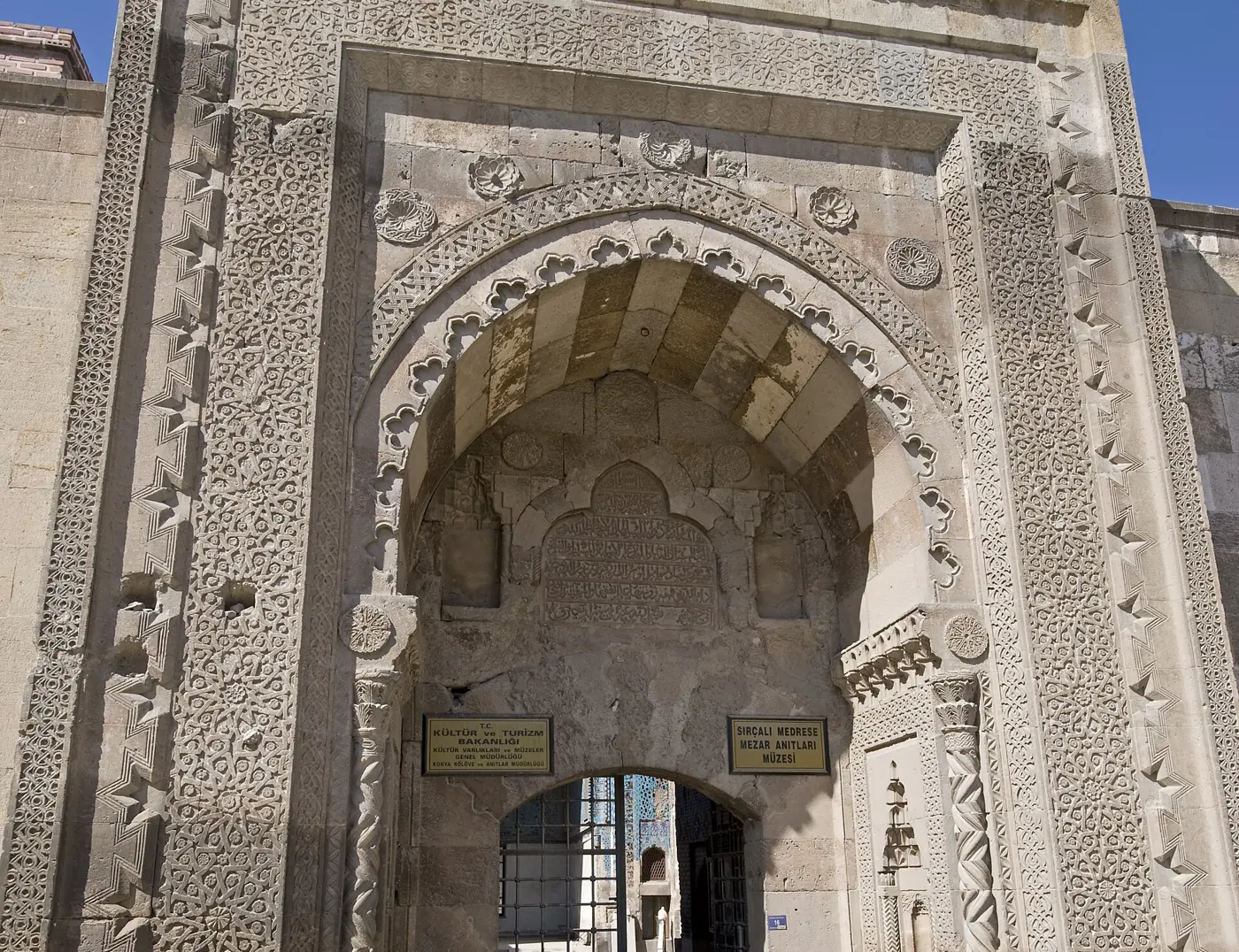
3 Sırçalı Medrese
Sircali is a Seljuk madrasa built in 1242 and known for rich tile work. It is used as a museum of gravestones. Wikivoyage noted that it was closed in 2022, so verify first.
- Built: 1242
- Features: Rich tile work
- Status: Wikivoyage noted closed in 2022; check before visiting
Show map
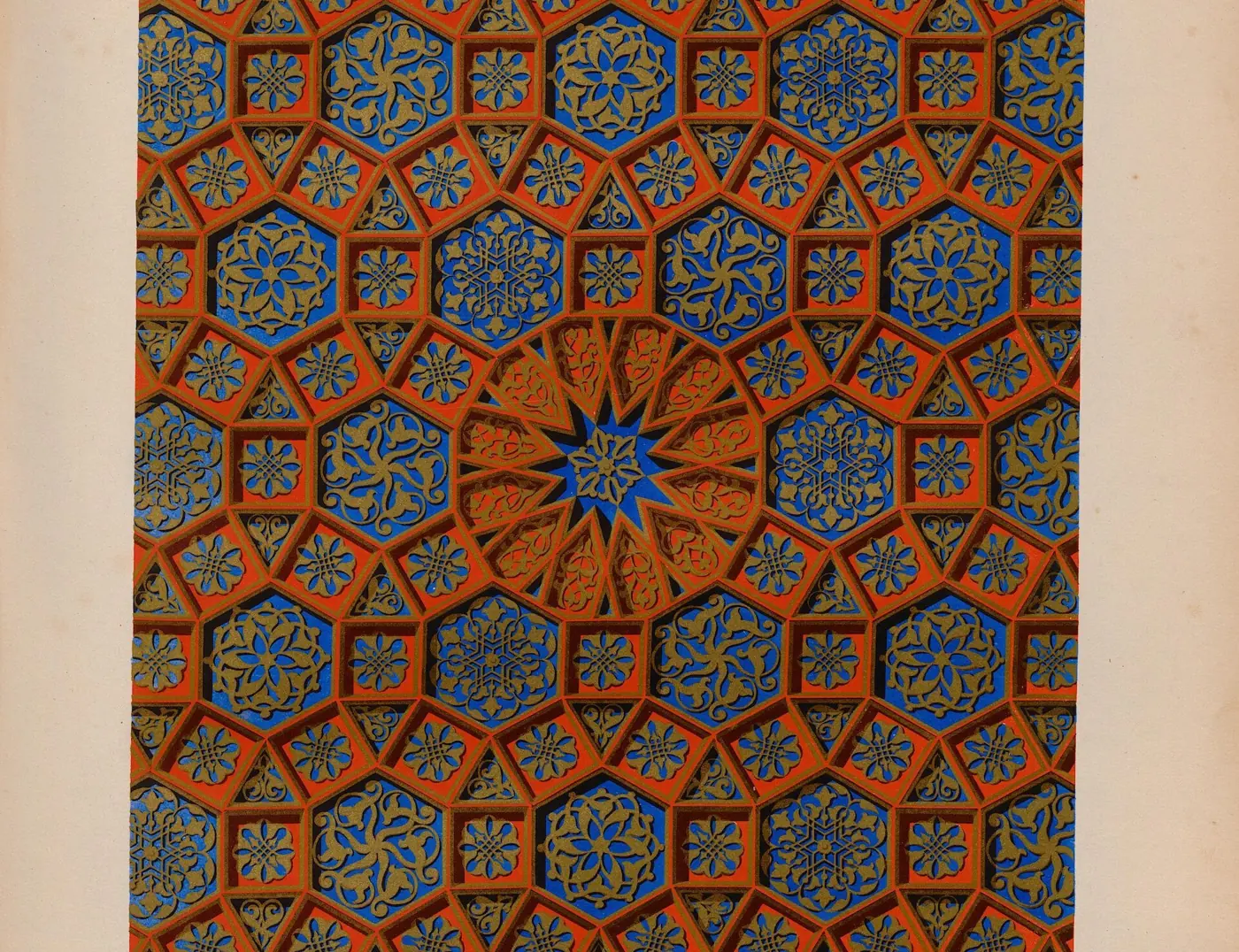
4 Konya Selçuklu Sarayı Kalıntıları
The Seljuk palace ruins lie on the north flank of Alaaddin Hill. They are protected under a concrete cover. They are across from Karatay, so they fit the same walk.
- Builder: Attributed to Kilicarslan II (per Wikivoyage)
- Location: North flank of Alaaddin Hill
- Protection: Concrete shelter over the ruins
Show map
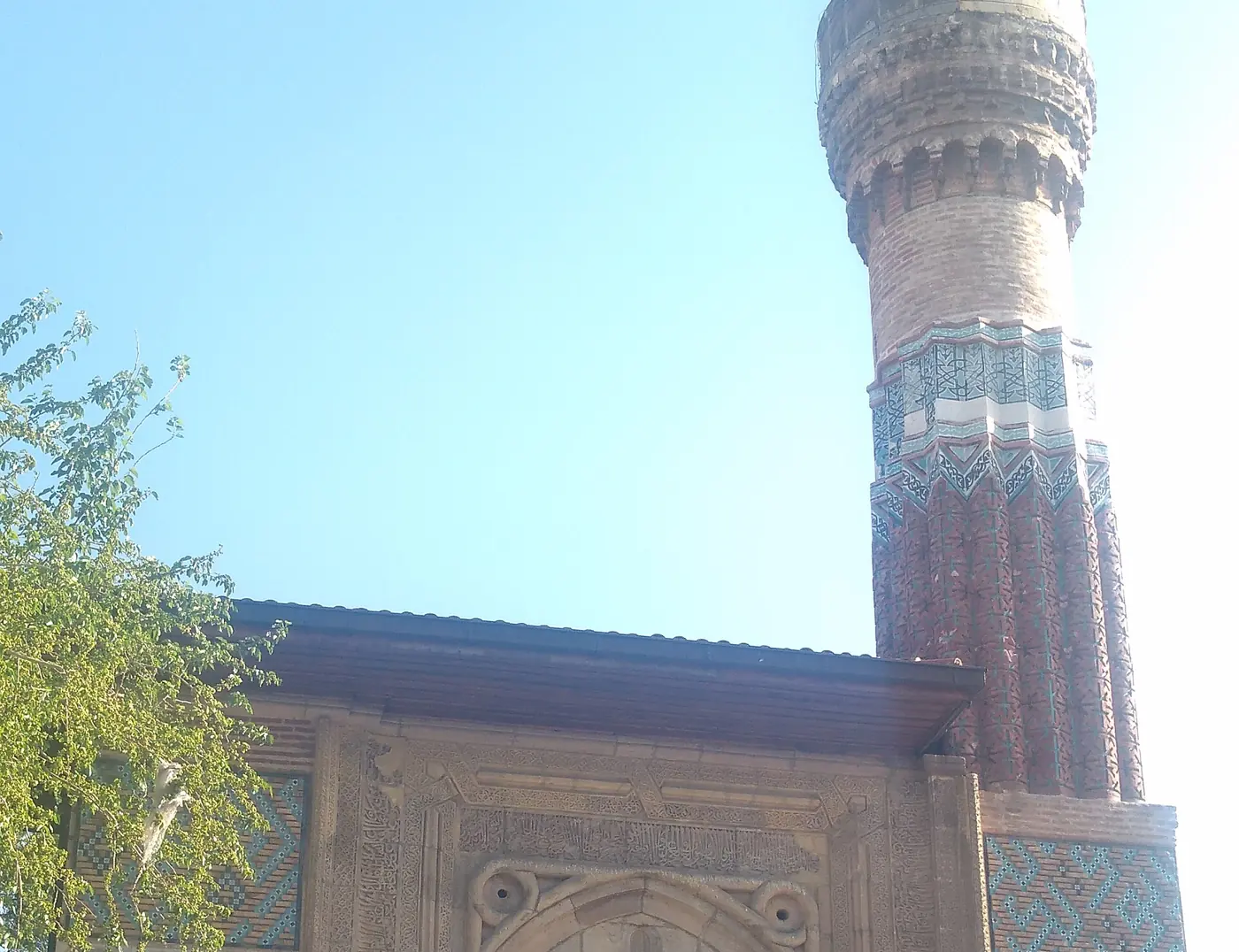
5 Sahip Ata Vakıflar Eserleri Müzesi
The Sahib-i Ata complex has a refurbished madrasa that is now a museum of Seljuk-era arts. The mosque of the complex was completed in 1283. It stands beside the archaeological museum.
- Mosque completed: 1283 (per Wikivoyage)
- Madrasa: Now a foundation works museum
Show map
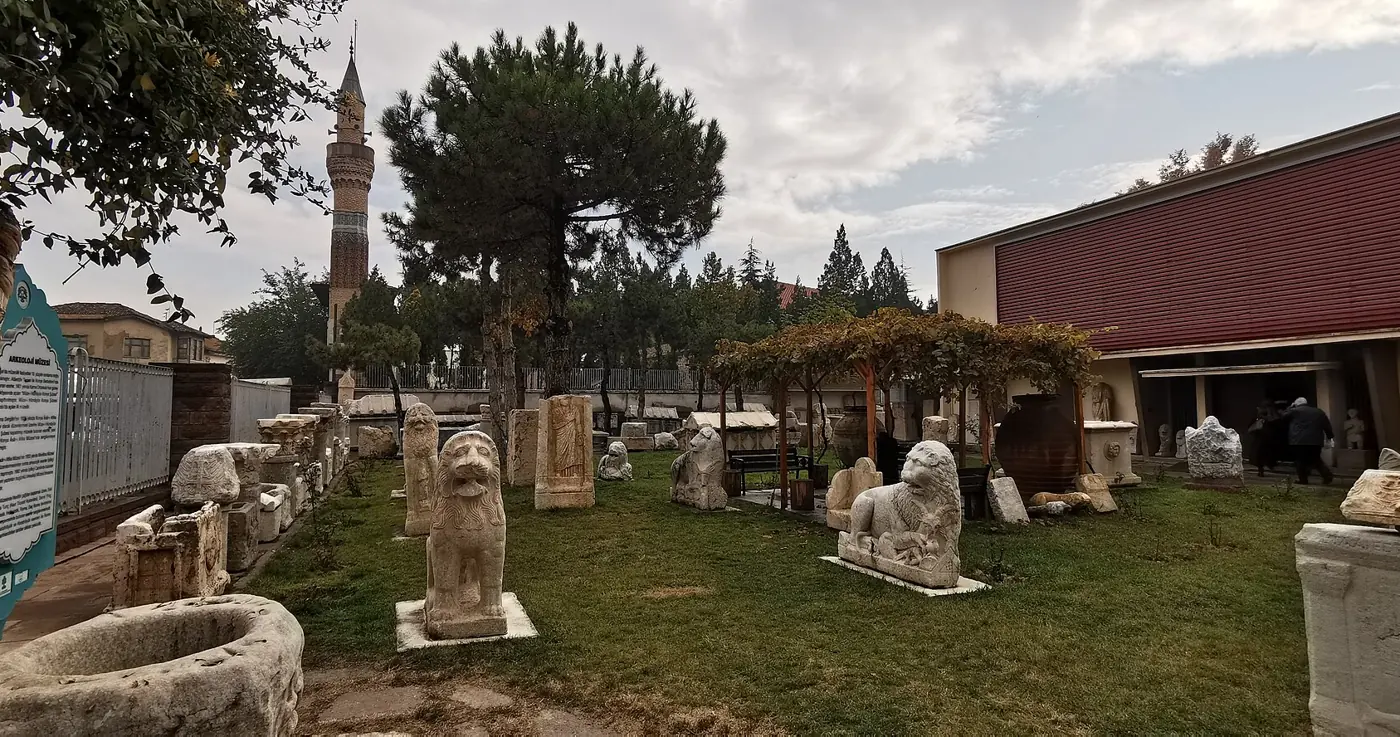
6 Konya Arkeoloji Müzesi
The Konya Archaeological Museum was founded in 1901 and moved to its present building in 1962. It is known for carved sarcophagi and finds from Catalhoyuk. It adds the earlier history of the plain.
- Established: 1901 (current location since 1962)
- Highlights: Carved sarcophagi, Catalhoyuk finds
- Address: Sahibiata Cd 91
Show map
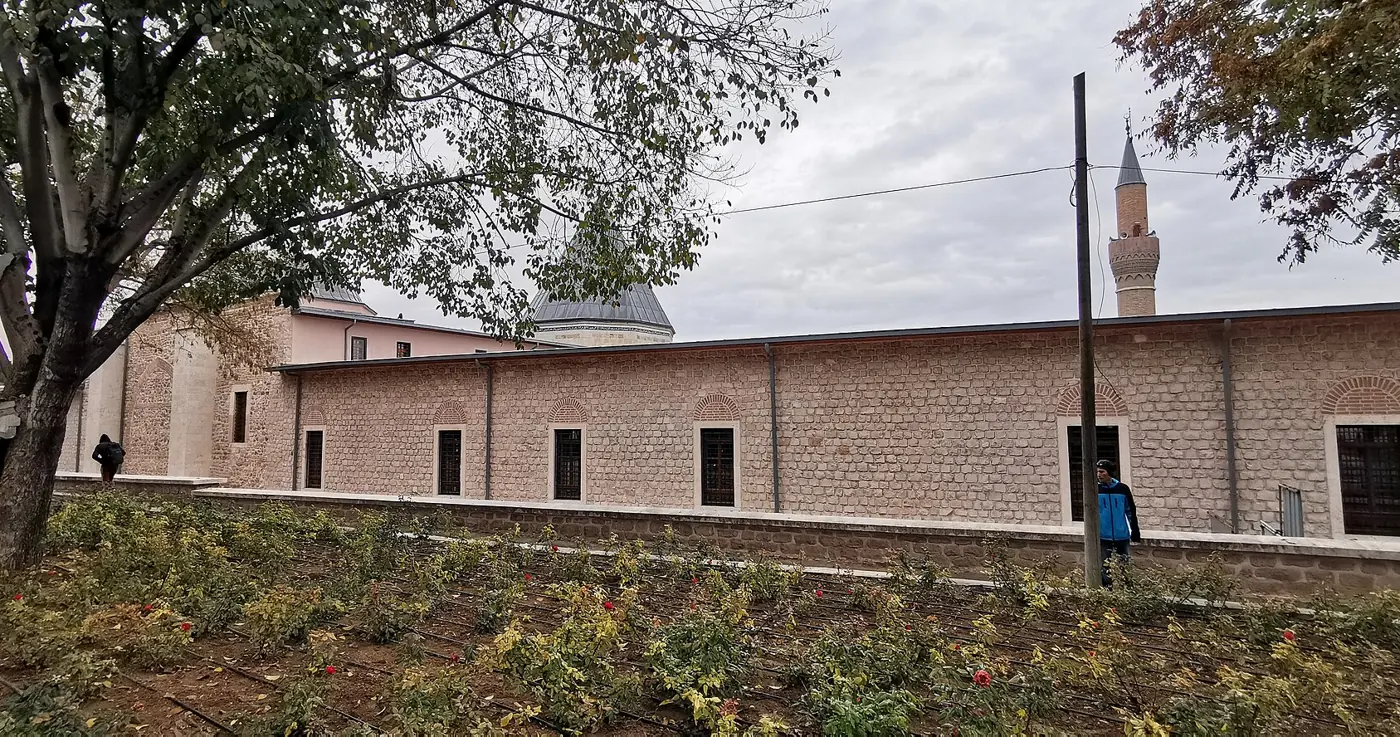
7 Alâeddin Camii
The Alaeddin Mosque crowns Alaaddin Hill, and the tombs of Seljuk sultans lie in its courtyard. It completes the story: the madrasas trained scholars, while the mosque served the sultans.
- Era: Seljuk (Sultanate of Rum)
- Burials: Sultan Alaaddin Keykubat and others (per Wikivoyage)
Show map
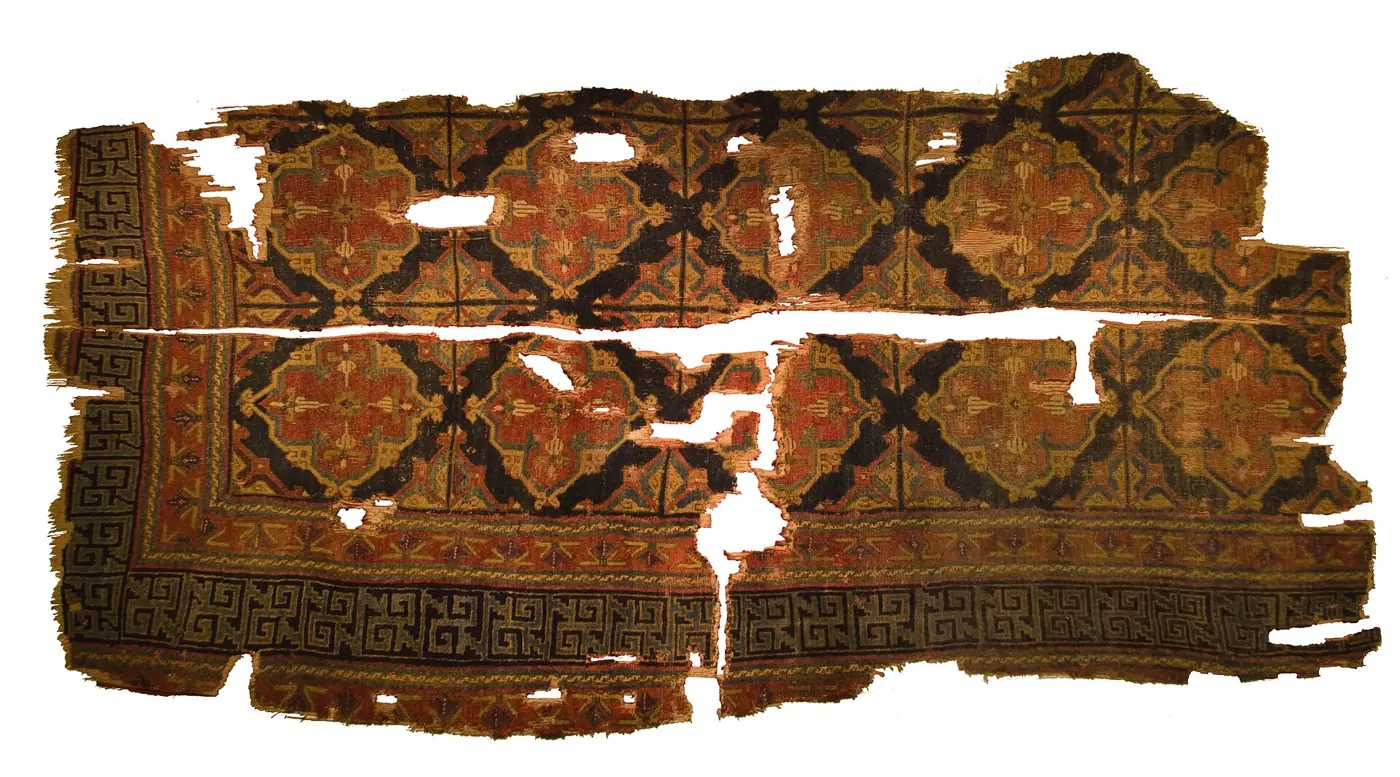
8 Konya Etnografya Müzesi
The Konya Ethnography Museum presents the people, cultures and lifestyle of Konya and its region. It offers a cultural contrast to the Seljuk architecture. Check its page for hours.
- Theme: Local ethnography of Konya
Show map
How do the three madrasas compare?
The table compares the three famous madrasas by date, display and status. In short, Ince Minare is the stone and wood museum, Karatay is the tile museum and Sircali is the gravestone museum.
Therefore, choose by interest. Photographers often prefer Ince Minare’s carved portal, while tile lovers prefer Karatay.
Status notes come from Wikivoyage; verify them locally.
| Madrasa | Built | Now displays | Status note |
|---|---|---|---|
| Ince Minare | 1265 | Stone and wood works | Temporary closure noted Dec 2023 |
| Karatay | 1251 | Seljuk tile works | Daily 09:00-19:00 per Wikivoyage |
| Sircali | 1242 | Gravestones; tile work | Closed in 2022 per Wikivoyage |
| Sahib-i Ata | Mosque 1283 | Seljuk-era arts | Check locally |
How do you get there and around?
All of these sit around Alaaddin Hill, and the tram lines circle the hill. Walking is the easiest way. Karatay faces the Seljuk palace ruins on Ankara Avenue. Ince Minare is on Alaaddin Boulevard. Sahib-i Ata is next to the archaeological museum.
Moreover, taxis are cheap for short hops if the heat is strong.
Practical routes:
- Tram to Alaaddin Hill
- Walk to Karatay and the palace ruins
- Walk to Ince Minare along the boulevard
- Taxi to Sahib-i Ata
What practical tips help?
Check the opening status first, because restoration is common. Bring a camera, comfortable shoes and water. A licensed guide explains the symbols on the tile and stone work, which are easy to miss. Spring and autumn are comfortable for walking, and summer midday is hot. Moreover, plan a break with water and shade, and check the weather forecast the day before. A relaxed pace gives better photographs, more time to read information boards, and less pressure when a site is closed or crowded. If something changes, you can adjust the order of stops without losing the whole day.
Tips:
- Verify status on Google Maps
- Go early in the day
- Bring a camera and water
- Ask for a licensed guide for the symbolism
- Combine with mosques on Alaaddin Hill
Why were madrasas important in Seljuk Konya?
A madrasa was a school. Seljuk rulers and their officials founded madrasas in Konya to teach religion, law and other sciences. The buildings are also works of art, because patrons paid for carved portals and glazed tiles. Therefore, a visit combines the history of education with the history of decoration.
Moreover, the madrasas surround Alaaddin Hill, where the sultans’ palace and mosque stood. In contrast to a simple tourist museum, these buildings show how the Seljuk state used architecture to display power and faith. Our sources give the dates and the present use, but they do not list the names of every scholar, so we keep to what is documented.
What to look for:
- Carved stone portals
- Glazed tile panels and mosaics
- Domed rooms and courtyards
- The change of use from school to museum
How should you plan around closures and restoration?
Konya’s historic buildings are restored from time to time, and a closed door is common. Wikivoyage noted a temporary closure for Ince Minare in Dec 2023 and a closure for Sircali in 2022. Therefore, make a flexible plan with two backup stops for each madrasa.
In short, check Google Maps on the morning of your visit, look at recent photos and comments, and keep the order of stops open. If a building is closed, you can still photograph the portal from outside and then move on to the Karatay Medrese or the archaeological museum. A local driver or guide can also call ahead for you.
Backup ideas:
- Photograph the portal from outside if the interior is closed
- Move on to Karatay or the Seljuk palace ruins
- Use the Archaeological Museum as an indoor alternative
- Ask your guide to confirm status by phone
A simple backup table for your day.
| If this is closed | Try this instead |
|---|---|
| Ince Minare | Karatay Medrese and the palace ruins |
| Sircali Medrese | Sahib-i Ata madrasa museum |
| Karatay Medrese | Konya Archaeological Museum |
| Any museum | Alaeddin Mosque and Alaaddin Hill walk |
What should you know about reading the decoration?
Seljuk decoration uses geometric patterns, calligraphy and plant forms. Tile panels often use blue, turquoise and dark colours, and stone portals use deep carving. You do not need expert knowledge to enjoy them, but a few clues help. Look at the entrance first, because patrons concentrated their effort there. Therefore, spend time at each portal before you enter.
However, we do not describe each motif or inscription, because our sources do not give a full list. A licensed guide can read the inscriptions and explain the geometry. Moreover, the museum labels, where available, give the original function of each room. In short, slow looking brings more than fast photography.
Simple viewing tips:
- Start with the portal and its carving
- Look at the dome interior and its tile pattern
- Read museum labels for room functions
- Photograph details from a distance and up close
What does a sample half-day plan look like?
Begin at the Alaeddin Mosque and the hill. Continue to Karatay and the palace ruins. Then walk to Ince Minare. Finish at the Sahib-i Ata complex and the archaeological museum if time allows.
Adjust the order to opening status.
| Time | Stop |
|---|---|
| Morning | Alaaddin Hill and Alaeddin Mosque |
| Mid-morning | Karatay Medrese and Seljuk palace ruins |
| Late morning | Ince Minare |
| Afternoon | Sahib-i Ata and Konya Archaeological Museum |
Frequently asked questions
What is a madrasa?
It is a historic school for religious and other sciences. In Konya the Seljuk madrasas are known for stone carving and tile work.
What is inside Ince Minare?
It is a museum of stone and wood works. Its minaret was damaged by lightning in 1901 and rebuilt shorter.
Is Karatay worth visiting?
It is a Seljuk madrasa from 1251 and a museum of tile works since 1954.
Is Sircali open?
Wikivoyage noted that it was closed in 2022. Check the current status before you go.
Are these places close to each other?
Yes. They surround Alaaddin Hill and can be walked or reached by tram.
Is entry free?
We cannot confirm ticket prices. Check each museum’s page or Google Maps.
Do I need a guide?
A guide is not required, but a licensed guide helps explain the symbols and history.
Plan this with TurkGT
TurkGT can arrange a licensed guide for Konya’s Seljuk sites, a private car with driver from Ankara or Cappadocia, and an airport transfer. Send your dates and group size by WhatsApp or through the form, and we will reply with a plan.
Request a booking
Related guides
- Top Attractions in Konya: A Visitor Guide to the Main Sights
- Mevlana Museum in Konya: Visit Guide and Nearby Sights
- Seljuk and Ottoman Mosques in Konya: A Visitor’s Guide
- Top 10 Hotels in Konya: Where to Stay by Area and Budget
- Best Restaurants in Konya: 10 Top Picks for Local Food
- Catalhoyuk and Archaeological Sites Around Konya
- Best Places to Shop in Konya: Malls and Markets
Related destinations and attractions
- Konya
- Mevlana Museum
- Neolithic Site of Çatalhöyük
- Central Anatolia Region, Türkiye: Ankara, Cappadocia and Konya
Explore more city guides
Sources
Last reviewed: 2026-11-21.