
The best time to visit Pamukkale is spring (April to early June) and autumn (September to October). Temperatures are comfortable for walking Hierapolis, and the terraces are less crowded. Summer is hot, winter is cool, and sunrise or late afternoon is best in every season.
Key facts
- Best seasons: Spring and autumn
- Hottest period: Summer, when midday walking is hard
- Quietest period: Winter, with cooler weather
- Best hours: Early morning and late afternoon
- Thermal bathing: Possible year-round in warm thermal water
- Planning note: Check the forecast and the site’s opening hours before you go
When is the best time to visit Pamukkale?
The best time to visit Pamukkale is spring and autumn. In these months, the air is mild, the walk over white stone is comfortable and the light is soft. Moreover, crowds are smaller than in high summer, so you can photograph the terraces and explore Hierapolis at an easy pace.
Summer brings heat and strong sun, and the pale travertine reflects the glare. Therefore, visit at sunrise or late afternoon if you travel between June and September. Winter is cooler and quieter, and a thermal swim feels pleasant when the air is cold.
Because weather changes from year to year, treat these seasons as a guide rather than a promise. Check the forecast a few days before you go. We choose suggestions by official sources and location, and we do not accept payment for placement.
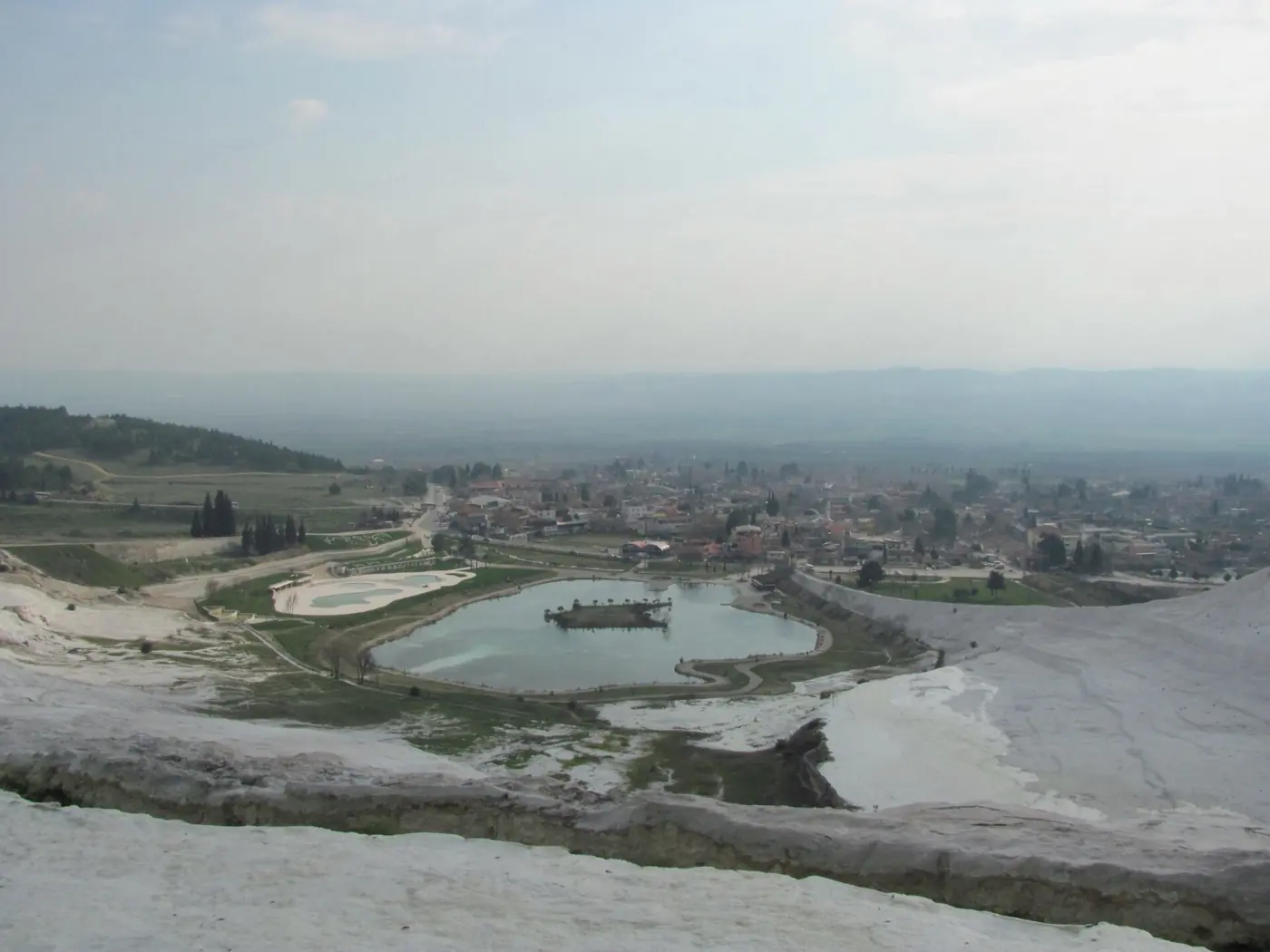
1 Pamukkale Travertenleri
The travertines are best seen in soft light. White terraces and thermal pools look their finest at sunrise or late afternoon, when the stone is less glaring and the pools catch the sky.
- Site: Natural travertine terraces beside Hierapolis
- Designation: UNESCO World Heritage Site (with Hierapolis)
Show map
What is Pamukkale like in spring?
Spring is one of the two best seasons. Days warm up gradually, nights stay cool and the valley turns green. You can walk the terraces and Hierapolis comfortably, and the thermal pools are pleasant to visit. Showers can occur, so carry a light layer.
Also, spring suits families and mixed-age groups. The slopes are not too hot, and the long walk between the lower terraces and the north gate of Hierapolis feels manageable. Consequently, many guided tours schedule their Pamukkale days in April and May.
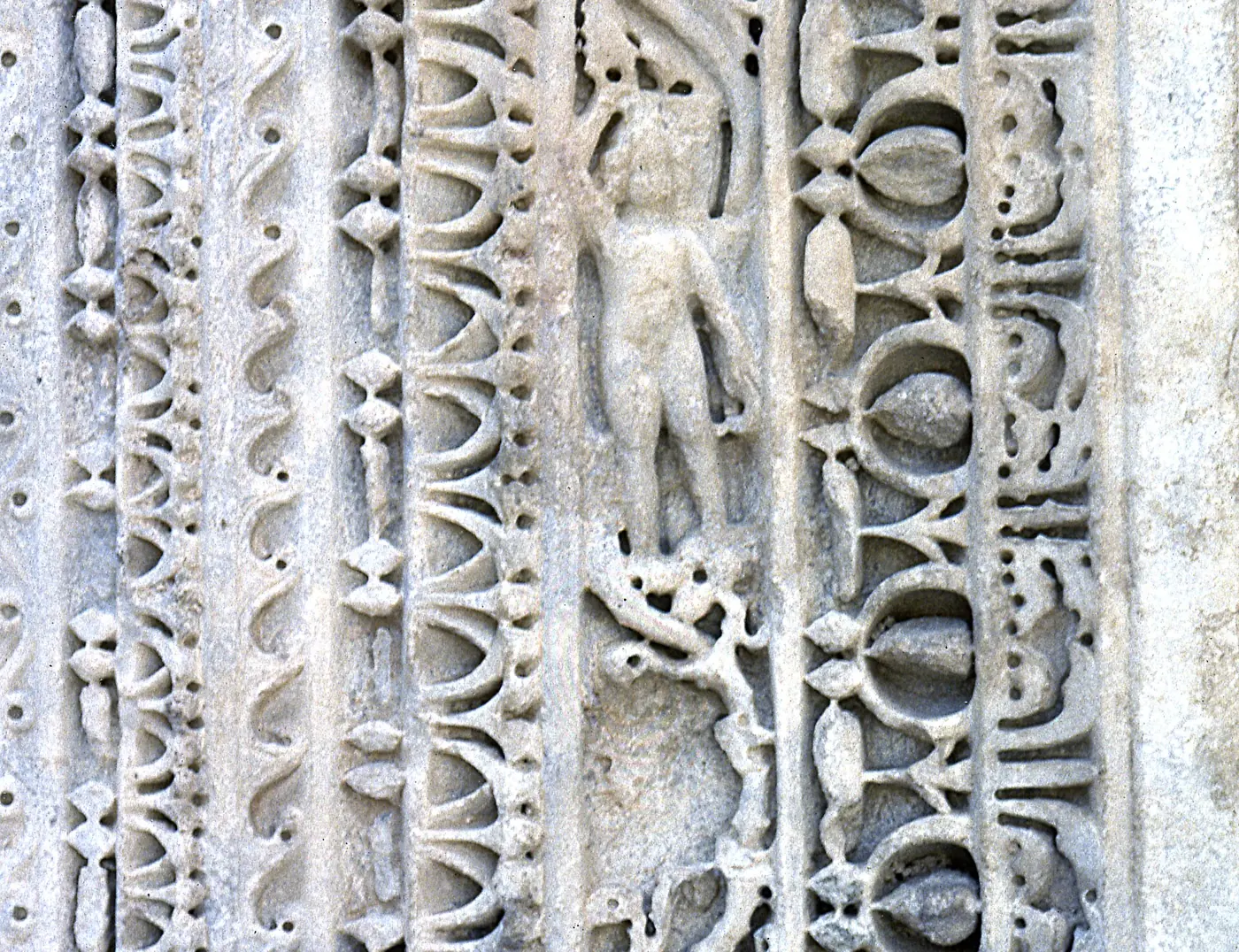
2 Hierapolis Antik Kenti
Spring suits Hierapolis because the site is large and mostly open air. The theatre, necropolis and Antique Pool are easier to enjoy when the day is mild.
- Era: Hellenistic and Roman
- Highlights: Theatre, necropolis, Antique Pool
Show map
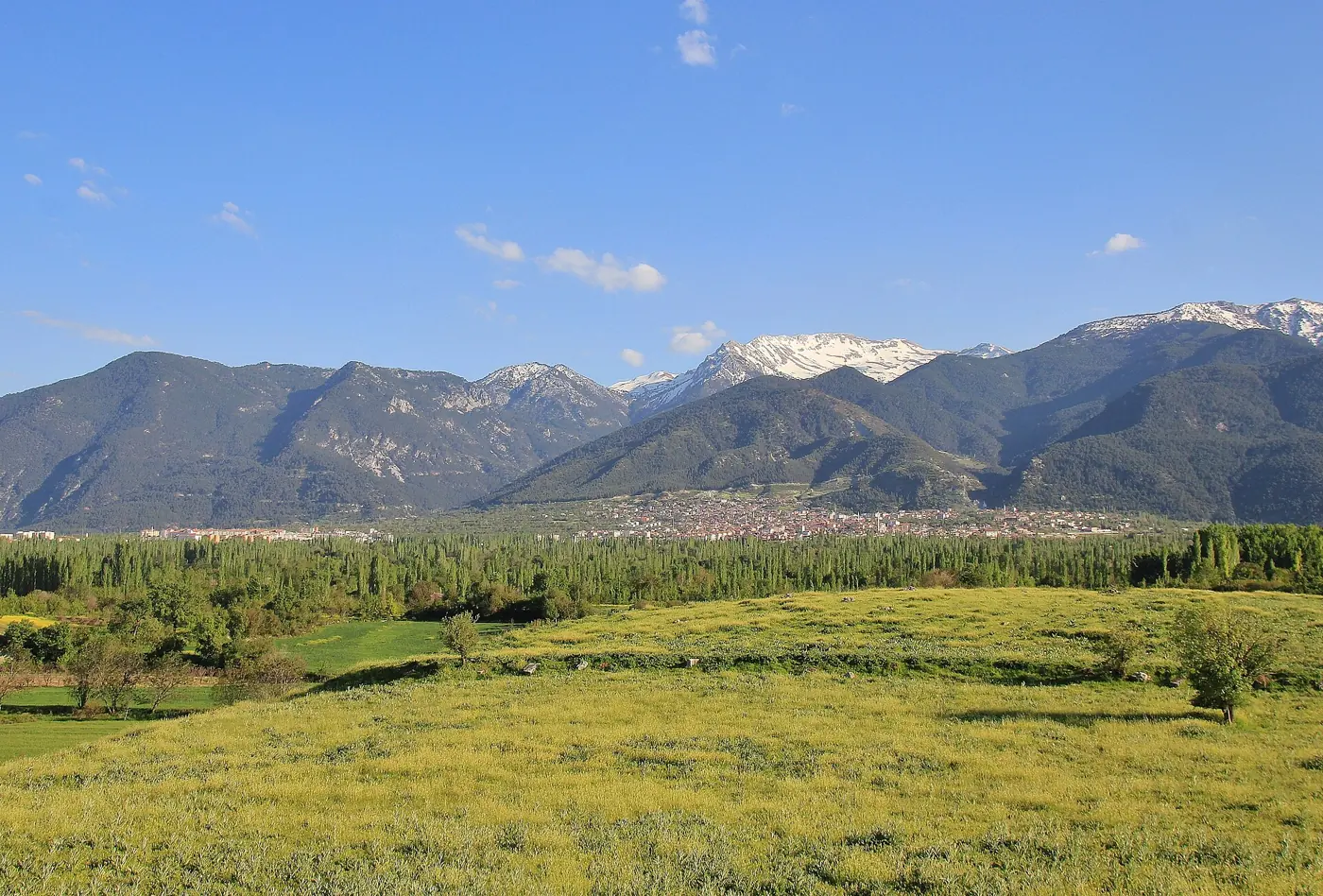
3 Honaz Dağı Milli Parkı
The national park around Mount Honaz is a good spring stop for hiking and picnics near Denizli, when the mountain air is cooler than the plain.
- District: Honaz
- Picnic area: Cankurtaran, about 21 km from Denizli
Show map
How hot is Pamukkale in summer?
Summer in the Lycus valley is hot and dry. The sun is strong at midday, and white travertine reflects light, so glare and heat can feel intense. If you visit between June and September, plan your site visit for early morning or late afternoon, and rest indoors during the hottest hours.
In contrast, the thermal pools can feel less appealing in peak heat, while swimming in the evening is more comfortable. Bring a hat, sunglasses, water and sun protection. Moreover, wear shoes that grip wet stone, because the terraces are slippery.
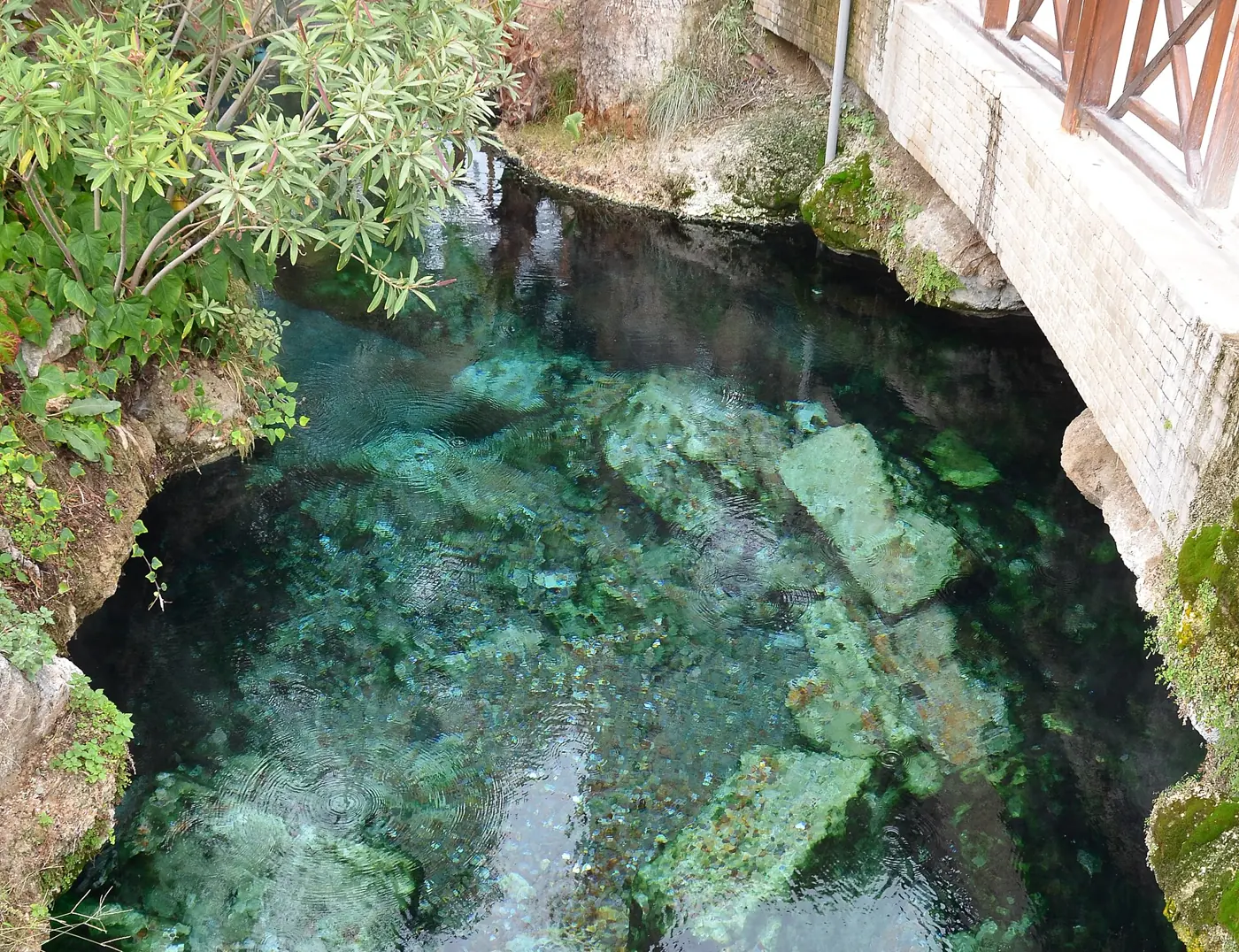
4 Antik Havuz
The Antique Pool offers a way to cool down inside the Hierapolis site, with warm mineral water and submerged ancient column fragments. Check the pool’s own page for entry arrangements and hours.
- Water: Warm thermal spring
- Feature: Submerged ancient columns
Show map
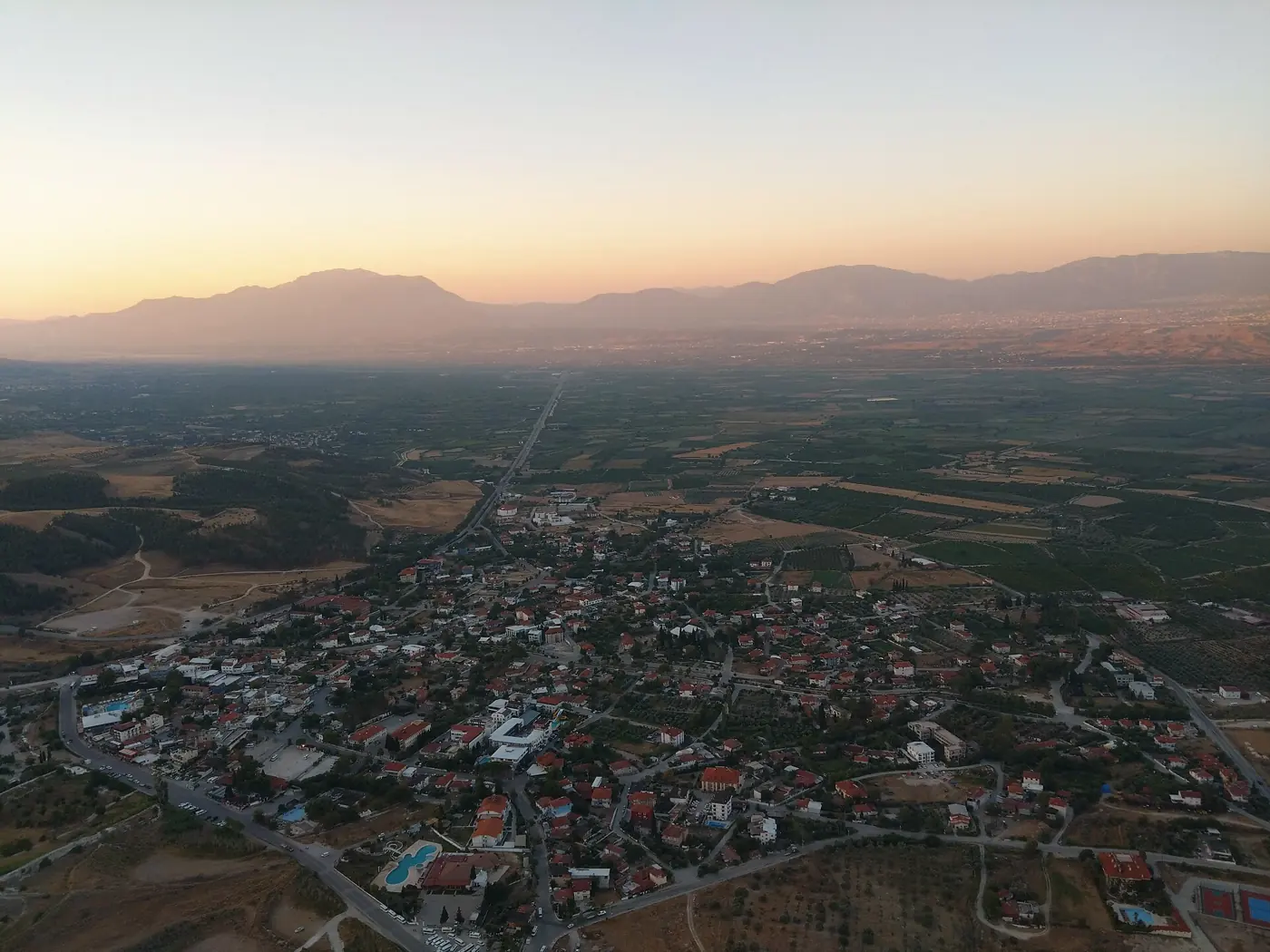
5 Pamukkale Balloon Flights
Balloon flights over the terraces and the Lycus valley take place early in the morning, which suits the summer heat. Booking goes through local tour operators, and flights depend on weather.
- Area: Over Pamukkale and Hierapolis
- Booking: Through local tour operators
Show map
What is autumn like at Pamukkale?
Autumn is the second best season. Heat eases after summer, the light turns warm and the crowds thin. September and October are popular with photographers because the low sun gives the terraces a golden glow. Nights become cool, so bring a layer for the evening.
Therefore, autumn works well for combining Pamukkale with nearby sights. You can add Laodicea, the Karahayit red spring and the Kaklik Cave without suffering from the heat.
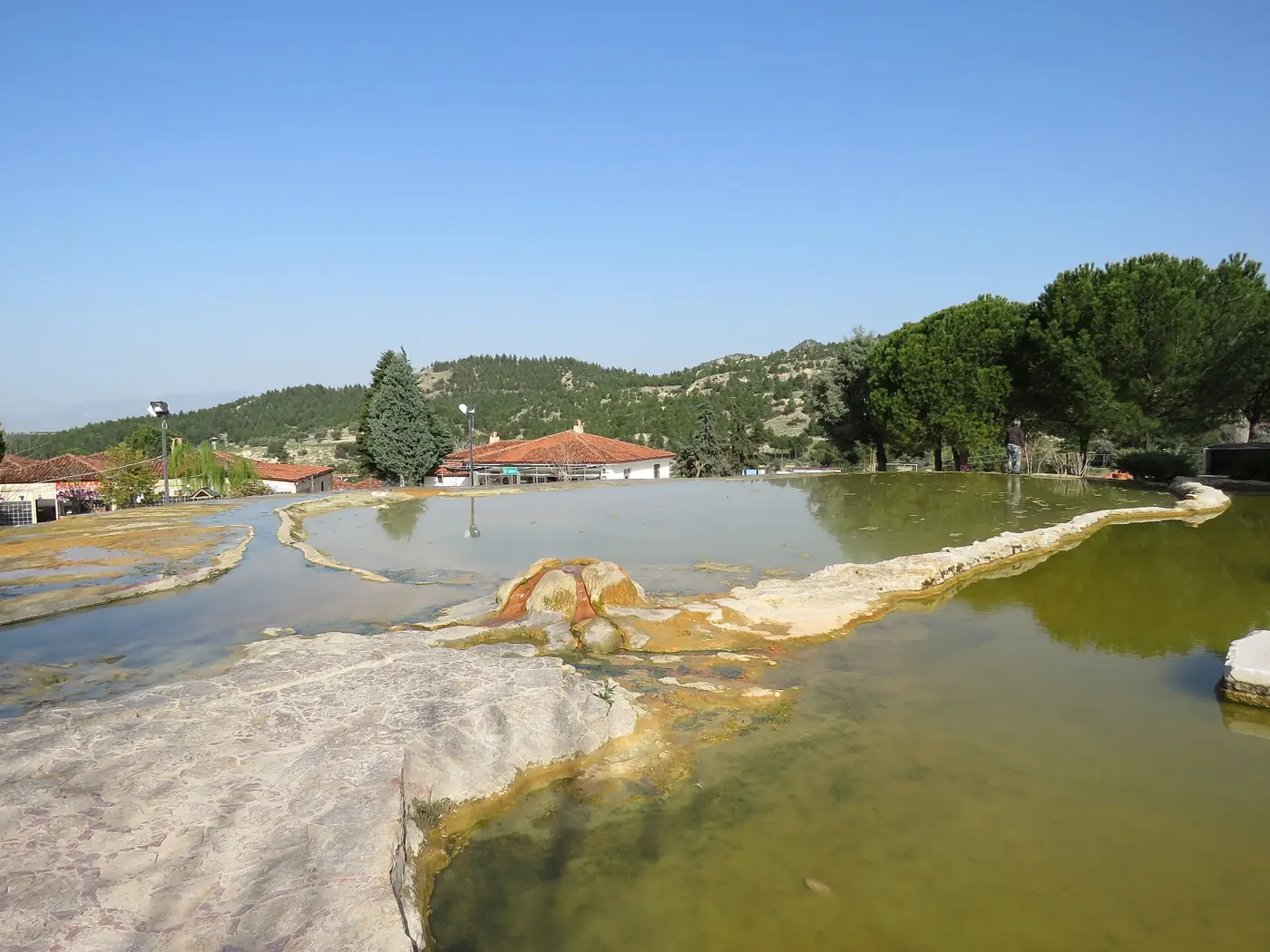
6 Karahayıt Kırmızı Su
The Karahayit Red Springs lie about 5 km from Pamukkale. Their iron-rich thermal water leaves reddish deposits on the rocks, and the area is known for spa and mud-bath tourism.
- Location: Karahayit, about 5 km from Pamukkale
- Known for: Red, iron-rich thermal water
Show map
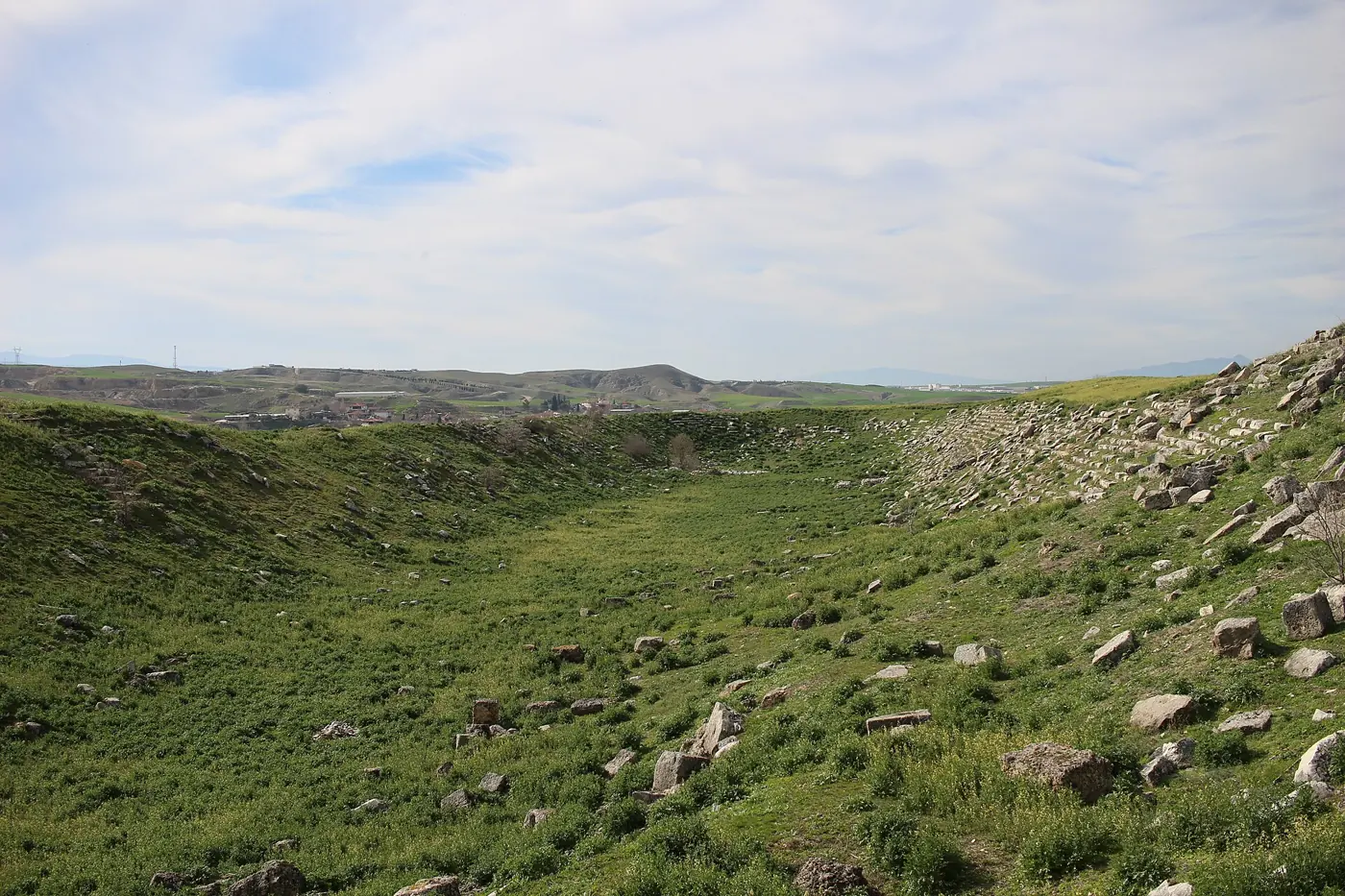
7 Laodikya Antik Kenti
Laodicea is a good autumn companion to Hierapolis, with a stadium, theatres and an early Christian church. It lies about 6 km from Denizli centre.
- Founded: 3rd century BC (Seleucid)
- Distance: About 6 km from Denizli centre
Show map
Is winter a good time to visit Pamukkale?
Winter is the quietest season. The air is cool, some days are rainy or cloudy, and you can often walk the terraces with few other visitors. A thermal bath feels especially rewarding in cold weather. However, short days limit your time, so start early.
Moreover, check the site’s opening hours and the weather before you travel. Wet stone is slippery, and cloud can hide the view. If you can accept variable conditions, winter offers calm photography and lower hotel demand.
The table below summarizes the seasons for a quick comparison.
| Season | Weather feel | Crowds | Best use |
|---|---|---|---|
| Spring | Mild, some showers | Moderate | Walking the terraces and Hierapolis |
| Summer | Hot and dry | High | Sunrise visits and evening swims |
| Autumn | Warm to mild | Moderate | Photography and combined sights |
| Winter | Cool, variable | Low | Thermal baths and quiet visits |
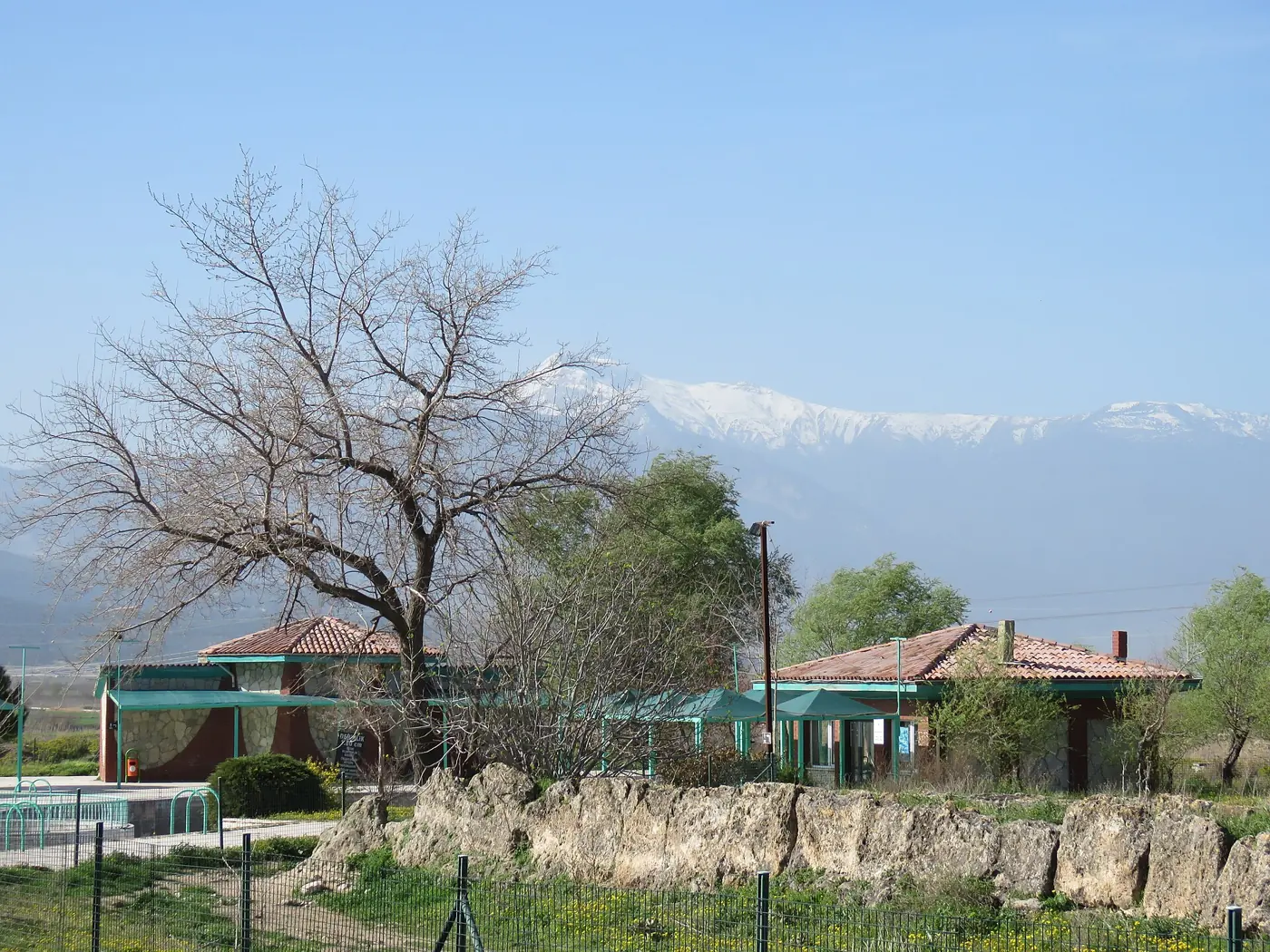
8 Kaklık Mağarası
The Kaklik Cave in Honaz is nicknamed the underground Pamukkale because of its white travertine formations. It is a sheltered option when the weather is poor.
- District: Honaz
- Distance: About 30-35 km from Denizli centre
Show map
Which hours of the day work best?
In every season, early morning and late afternoon give the best light and the most comfortable temperatures. Sunrise brings a golden tone to the travertines, while late afternoon softens shadows. Midday is hardest in summer, so use it for lunch or the museum.
Also, visit the terraces and Hierapolis in a logical order. Many travelers start at the north gate, walk through the ancient city and descend over the terraces. This route keeps the downhill walk for the end, and it keeps the Antique Pool in the middle for a break.
Use this plan to match the time of day to the sight.
| Time | Suggested stop | Reason |
|---|---|---|
| Sunrise | Travertines or balloon flight | Soft light, fewer people |
| Morning | Hierapolis theatre and necropolis | Cooler for walking |
| Midday | Museum, lunch or pool | Heat and glare peak |
| Late afternoon | Terraces and viewpoint | Warm light for photos |
What should you pack for each season?
Pack for sun, wet stone and changing temperatures. Bring a swimsuit if you plan to use a thermal pool, plus a towel and sandals. Wear comfortable shoes for the long walk through Hierapolis, and carry water.
Furthermore, check each place’s page or Google Maps for hours, and remember that conditions change. Our suggestions follow location, official sources and practical fit, so use them as a starting point and confirm details on the day.
Seasonal packing list:
- Spring: light jacket, comfortable shoes, rain layer.
- Summer: hat, sunglasses, water, sun protection, swimsuit.
- Autumn: warm layer for evenings, camera.
- Winter: warm coat, waterproof shoes, towel for thermal baths.
Which month should you pick if you have a fixed date?
If your dates are fixed, use the season rules above and adjust your daily timing. A summer traveler should start at sunrise and finish the long walks before noon. A winter traveler should start a little later, when the stone has warmed, and finish before dusk.
Moreover, holidays and school breaks bring more visitors, so weekdays are calmer than weekends in any season. Therefore, if you can choose, pick a weekday in spring or autumn. Book hotels and guides early for those weeks, because good rooms near the terraces fill first.
In addition, think about the other stops on your trip. If you combine Pamukkale with the coast, summer heat will be stronger inland than by the sea. In contrast, a winter trip to the coast may be cool, while Denizli is also cool but pleasant for thermal bathing. Plan the order of your route around these differences.
The table below shows how to adapt a visit to a fixed month.
| If you travel in | Start time | Main adjustment |
|---|---|---|
| Spring | Morning | Carry a rain layer |
| Summer | Sunrise | Rest at midday, swim in the evening |
| Autumn | Morning | Use the golden light for photos |
| Winter | Late morning | Finish before dusk, use thermal baths |
Frequently asked questions
What is the best month to visit Pamukkale?
Spring (April to early June) and autumn (September and October) are usually the most comfortable. Check the forecast before you go.
Is Pamukkale too hot in summer?
Midday can be very hot, and the white stone reflects glare. Visit at sunrise or late afternoon and carry water.
Can you swim in Pamukkale in winter?
Thermal water stays warm, so bathing is possible. Check the pool’s own page for current opening hours.
When is Pamukkale least crowded?
Winter and early morning in any season are the quietest times.
Are balloon flights available all year?
Flights depend on weather and operator schedules, so check with a local tour operator.
How long should I stay?
One full day covers the terraces and Hierapolis. Two days add Laodicea and Karahayit.
Is the terrace slippery?
Yes, wet travertine is slippery, so wear shoes with good grip.
Plan this with TurkGT
TurkGT can match your travel dates to a private car with driver, a licensed guide or a balloon booking through local operators. We can also set a sunrise start for the terraces. Send your dates and group size by WhatsApp or the inquiry form, and we will reply with a clear plan.
Request a booking
Related guides
- How to Get to Pamukkale from Istanbul, Antalya and Izmir
- Pamukkale in 2 Days: A Step-by-Step Itinerary
- Pamukkale Day Trip from Izmir, Antalya and Marmaris
- Best 10 Hotels in Pamukkale: Thermal, Boutique and Village
- Best Restaurants in Pamukkale and Denizli: Top Picks
- Top Sights in Denizli Province: Visit Guide
- Pamukkale Thermal Pools and White Travertines: Visit Guide
→ Denizli and Pamukkale travel guides
Related destinations and attractions
- Denizli
- Pamukkale
- Hierapolis-Pamukkale
- Pamukkale Travertines
- Laodicea on the Lycus
- Aegean Region, Türkiye: İzmir, Ephesus, Pergamon and Pamukkale
Explore more city guides
Sources
Last reviewed: 2026-11-21.