
Denizli province’s top sights are the Pamukkale travertines and Hierapolis, followed by Laodicea, Kaklik Cave, Colossae and Tripolis. Beyond the ruins, Honaz Mountain, Lake Acigol and Lake Isikli add nature stops for a longer stay.
Key facts
- UNESCO site: Pamukkale travertines with Hierapolis
- Early Christian heritage: Laodicea, Colossae, Martyrium of Saint Philip
- Cave: Kaklik Cave, Honaz (about 30-35 km from Denizli)
- Nature: Honaz Mountain National Park, Lake Acigol, Lake Isikli
- Laodicea distance: About 6 km from Denizli centre
- Best base: Pamukkale or Denizli city
What are the most important sights in Denizli?
Start with the Pamukkale travertines and Hierapolis, the UNESCO site above the village. Then visit Laodicea, about 6 km from Denizli centre. For a half-day extra, add Kaklik Cave or Honaz Mountain. Colossae and Tripolis suit travelers who like less visited ruins.
Therefore, most visitors need two days: one for Pamukkale and Hierapolis, and one for Laodicea and a second region. Longer stays can include the lakes.
Denizli province covers more than Pamukkale. The Lycus and Maeander valleys hold ancient cities, and the mountains and lakes add scenery. This guide ranks the main choices by how often visitors plan them, not by any paid placement.
How did we choose these sights?
We chose sights that have an entry in our registry with sourced facts, a documented designation or history, and a location that a visitor can reach from Denizli or Pamukkale. We also mixed ruins, nature and caves so the list suits different interests. We do not accept payment for placement.
Opening hours and ticket rules change, and some sites have excavation work. Check the official page or Google Maps through each card before you go.
Always treat our summaries as a starting point. Opening hours, menus and access rules change, and a business may close for a holiday without notice. Therefore, open the place’s page or Google Maps on the day, and send us a message if you want help checking details before you travel.
What we considered:
- Official designation, such as UNESCO status.
- Historical importance, including early Christian sites.
- Distance from Denizli city or Pamukkale.
- Variety, so ruins, caves and lakes are all included.
What are the main Pamukkale and Hierapolis sights?
The travertines are white calcium-carbonate terraces with thermal pools, and Hierapolis is the Hellenistic and Roman spa city above them. Together they form a UNESCO World Heritage Site. Walk the terraces, then explore the ruins and the Antique Pool.
Moreover, the Hierapolis theatre and necropolis reward a slower walk. Wear comfortable shoes, since the site is large and exposed.
Many visitors enter the site early to avoid heat and crowds. Check the current visiting rules and ticket arrangements before you go. Afterwards, walk uphill to the theatre, which gives a wide view across the valley.
1 Pamukkale Travertenleri
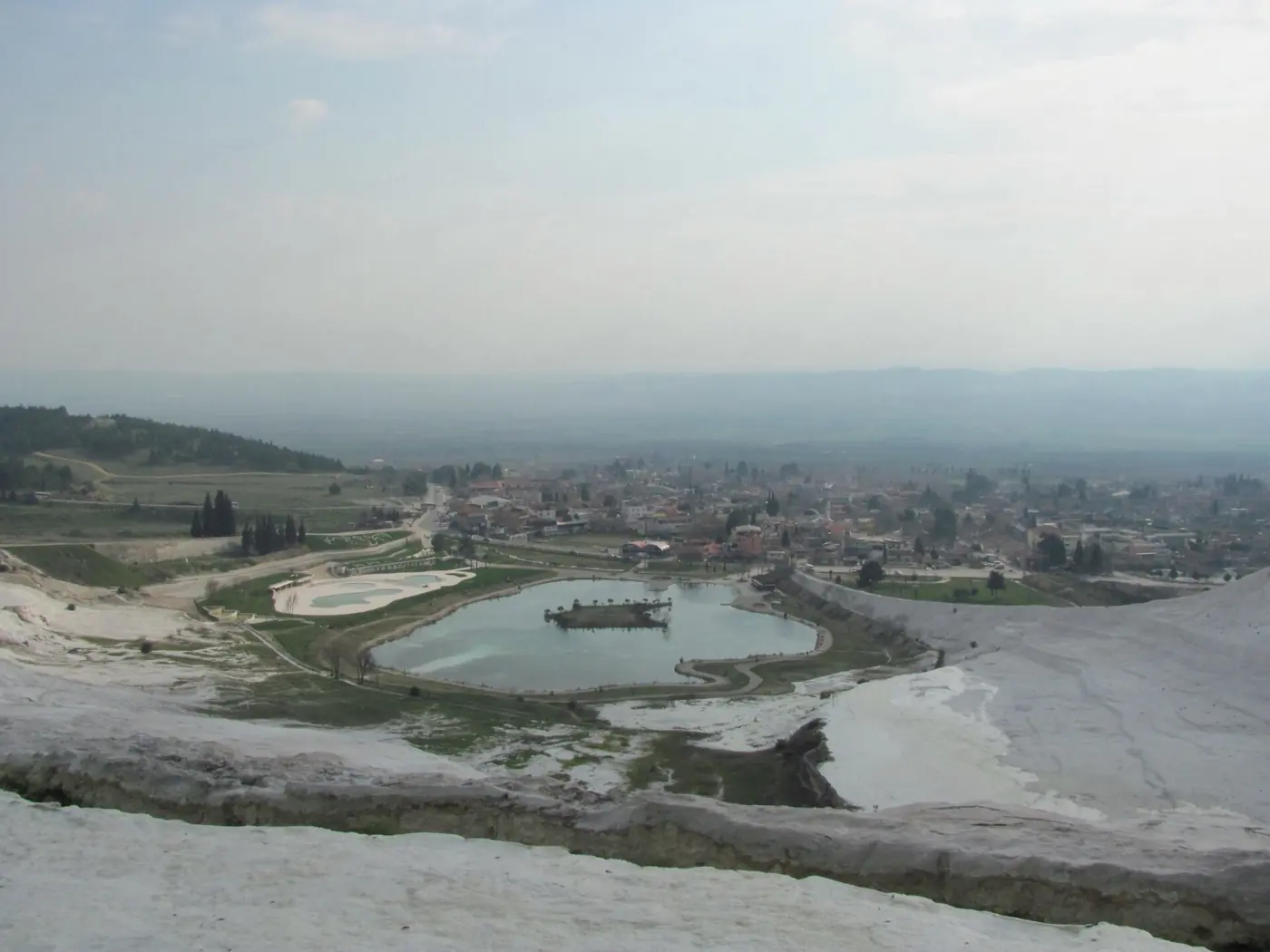
The Pamukkale travertines are white terraces and thermal pools on a hillside above the village. They are part of a UNESCO World Heritage Site together with Hierapolis, and they are the area’s best-known photo spot.
- Site: Natural travertine terraces beside Hierapolis
- Designation: UNESCO World Heritage Site (with Hierapolis)
- Highlight: Terraced thermal-water pools
Show map
2 Hierapolis Antik Kenti
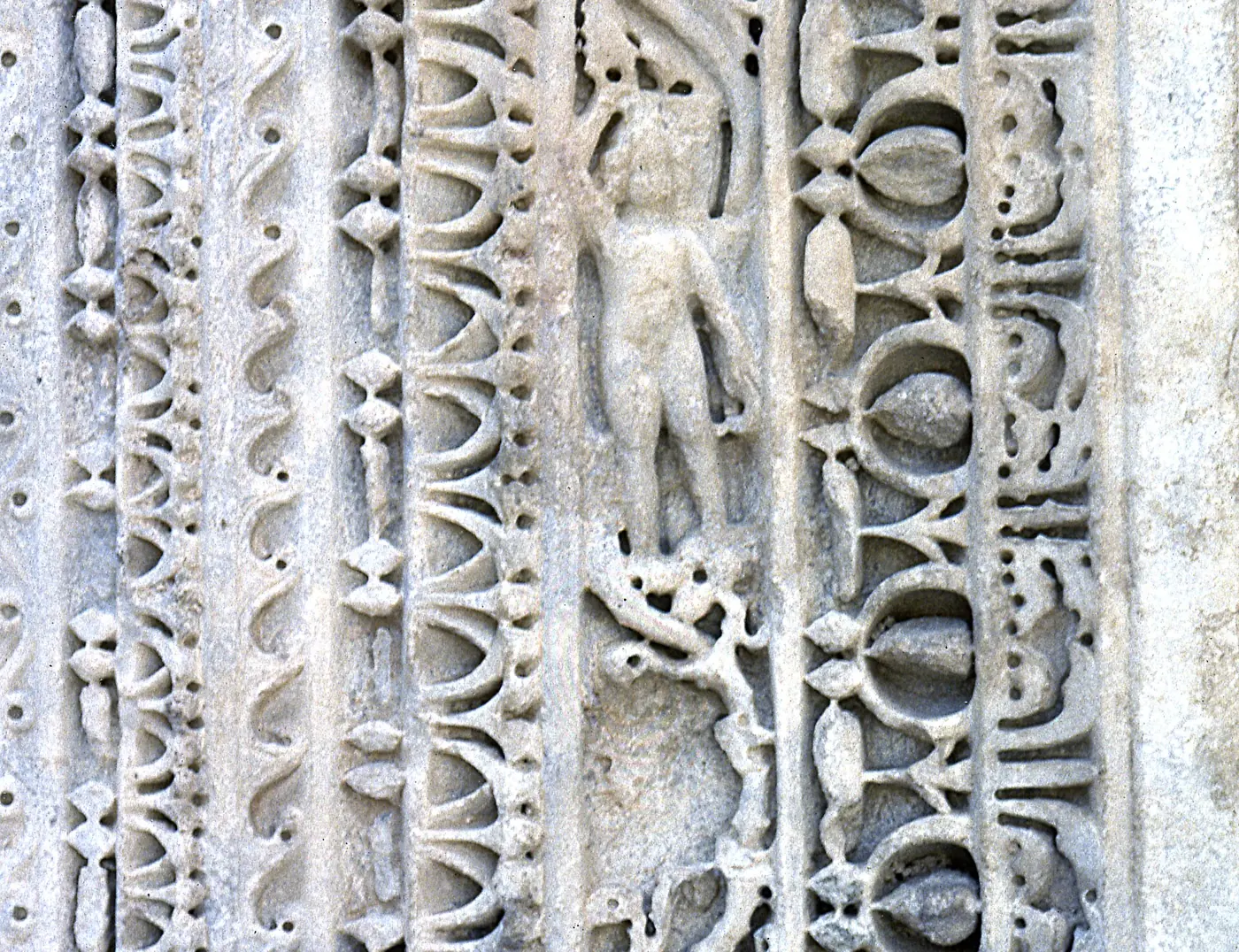
Hierapolis was a Hellenistic and Roman spa city above the terraces. Its highlights include the theatre, the necropolis and the Antique Pool. It shares the UNESCO designation with the travertines.
- Era: Hellenistic and Roman
- Highlights: Theatre, necropolis, Antique Pool
- Designation: UNESCO World Heritage Site
Show map
3 Antik Havuz
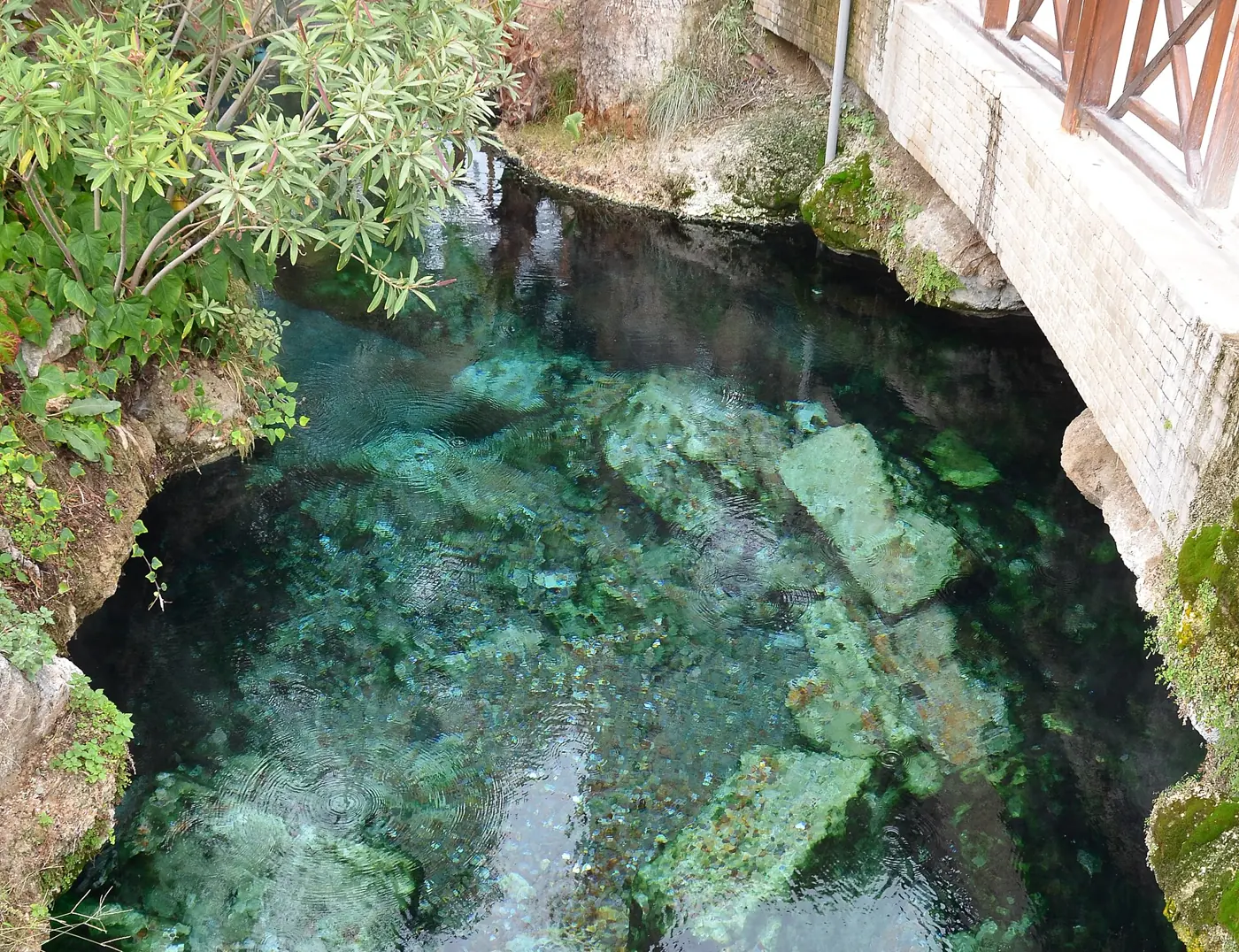
The Antique Pool, also called the Cleopatra Pool, is a thermal pool with submerged ancient columns inside the Hierapolis site. It suits visitors who want to swim in warm mineral water among ruins.
- Water: Warm thermal spring
- Feature: Submerged ancient columns
- Setting: Inside Hierapolis site
Show map
4 Hierapolis Nekropolü
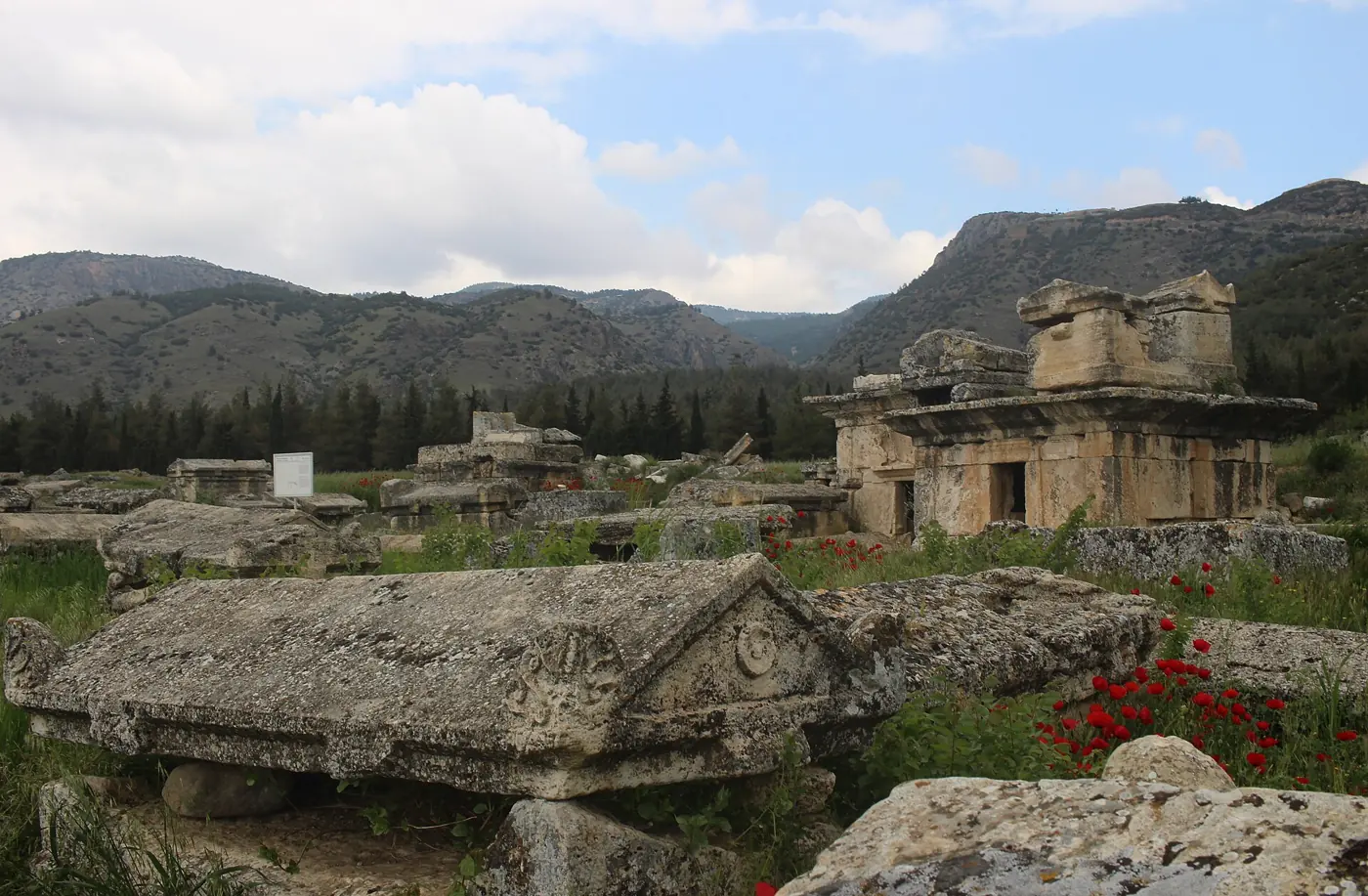
The Hierapolis necropolis is one of the largest and best-preserved ancient cemeteries in Anatolia. It holds thousands of tombs, including tumuli, sarcophagi and house tombs, north of the main city.
- Type: Ancient cemetery
- Tomb types: Tumuli, sarcophagi, house tombs
- Location: North of Hierapolis city
Show map
Which early Christian and ancient sites are near Denizli?
Laodicea on the Lycus was a major Hellenistic and Roman city on the road to Ephesus and one of the seven churches of Revelation. Colossae, near Honaz, is the addressee of the Epistle to the Colossians, but it is largely unexcavated. Tripolis in Buldan has a theatre, bath and necropolis.
In contrast to Hierapolis, these sites are quieter. Therefore, they suit travelers who want history without large crowds.
Laodicea and Colossae are tied to the early Christian world through Revelation and the Epistle to the Colossians. Therefore, they attract pilgrims and history students. Tripolis adds a quieter archaeological option near the Maeander river.
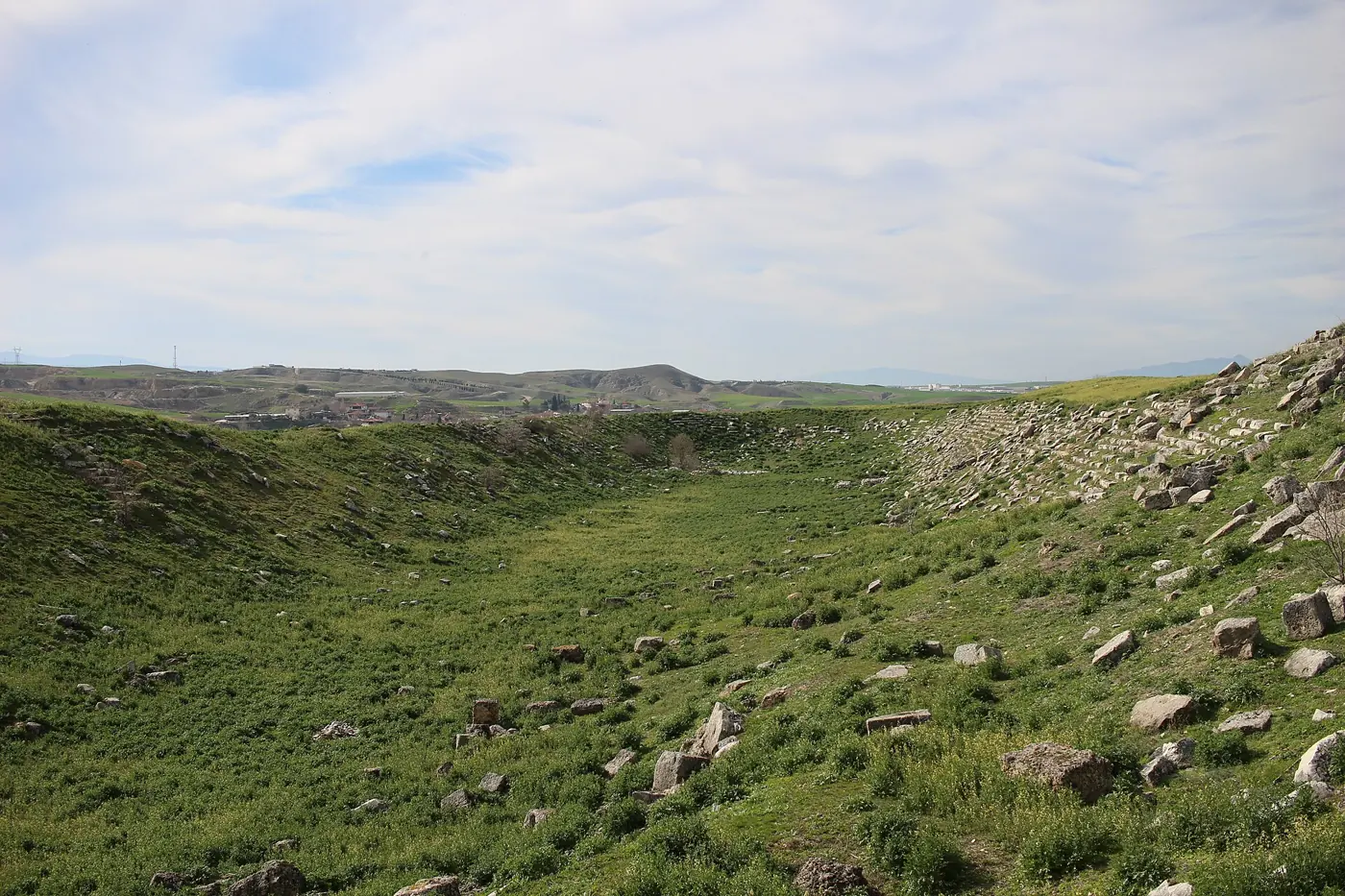
5 Laodikya Antik Kenti
Laodicea on the Lycus was founded in the 3rd century BC and is one of the seven churches of Asia named in Revelation. It lies about 6 km from Denizli centre, with restored colonnaded streets and continuing excavations.
- Founded: 3rd century BC (Seleucid)
- Revelation: One of the seven churches of Asia
- Distance: About 6 km from Denizli centre
Show map
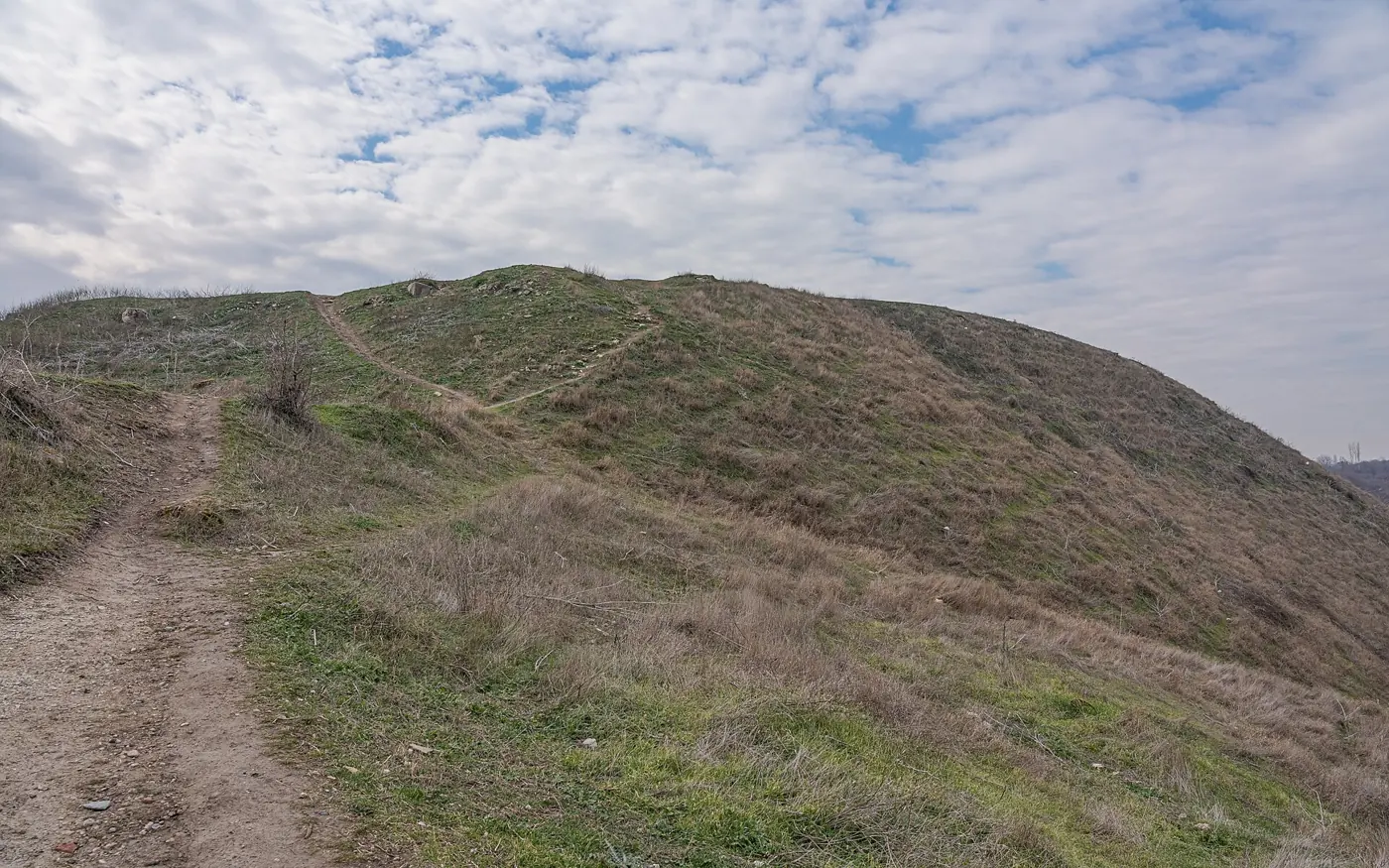
6 Kolossai
Colossae is an ancient Phrygian city near Honaz, addressed in the New Testament Epistle to the Colossians. The site is largely unexcavated, so expect a landscape visit rather than large standing ruins.
- District: Honaz
- Significance: Addressee of the Epistle to the Colossians
Show map
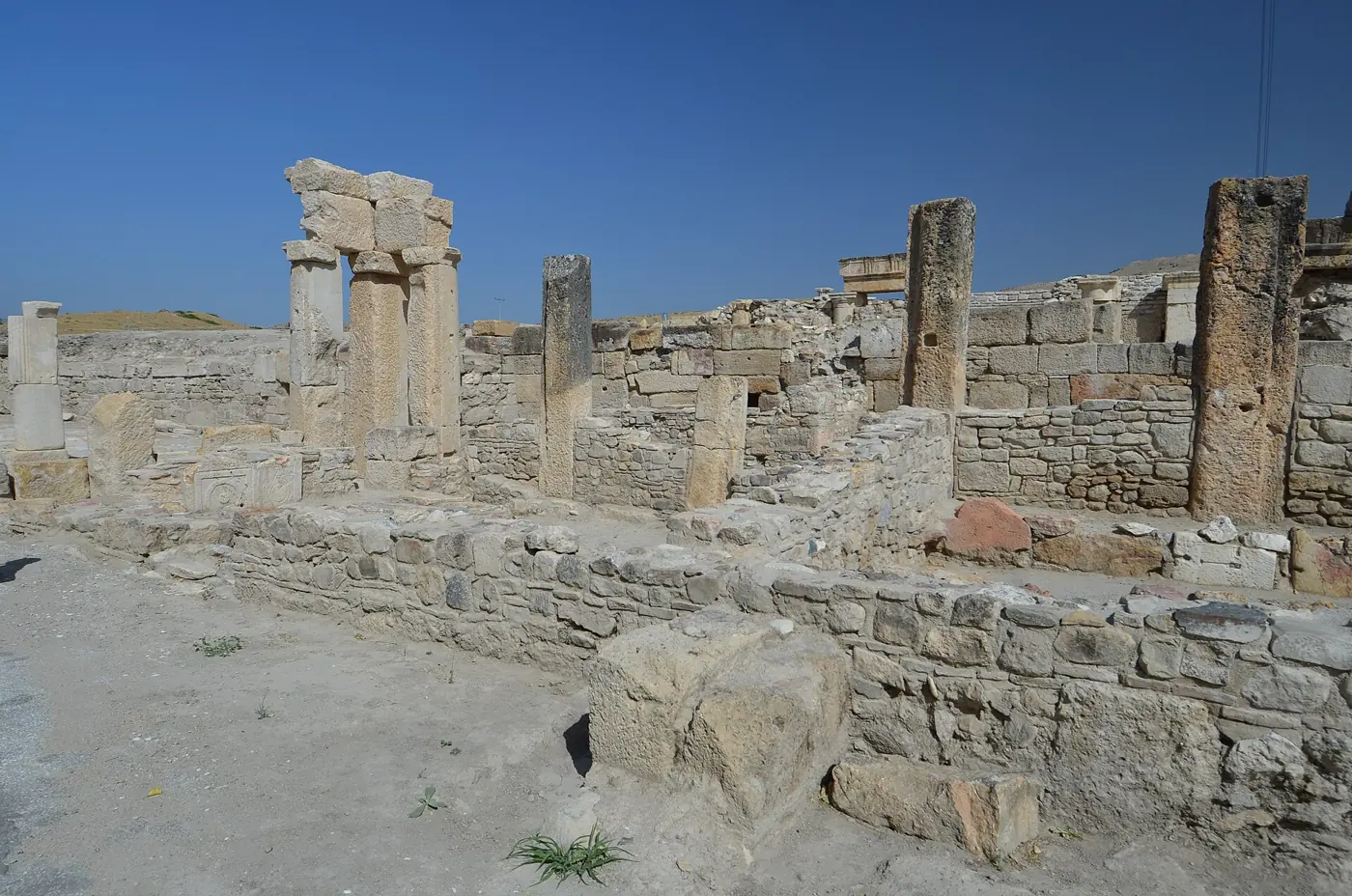
7 Tripolis Antik Kenti
Tripolis on the Maeander lies on the border of Lydia, Caria and Phrygia near the Maeander river. It has a theatre, a bath and a necropolis excavated by Turkish archaeologists, and the site is open to visitors.
- Region: Lydia, Caria, Phrygia border
- River: Maeander (Buyuk Menderes)
- Visit: Open archaeological site
Show map
Which nature sights add variety?
Kaklik Cave in Honaz is nicknamed the underground Pamukkale for its white travertine formations, about 30-35 km from Denizli centre. Honaz Mountain National Park offers hiking and picnics, and Lake Acigol is a salt lake known for flamingos.
However, nature sights are far apart, and some need a car. Plan one per half-day.
Kaklik Cave and the national park suit families, since they involve short walks and picnics. Meanwhile, Lake Acigol rewards patient birdwatchers, especially at flamingo times, which vary by season.
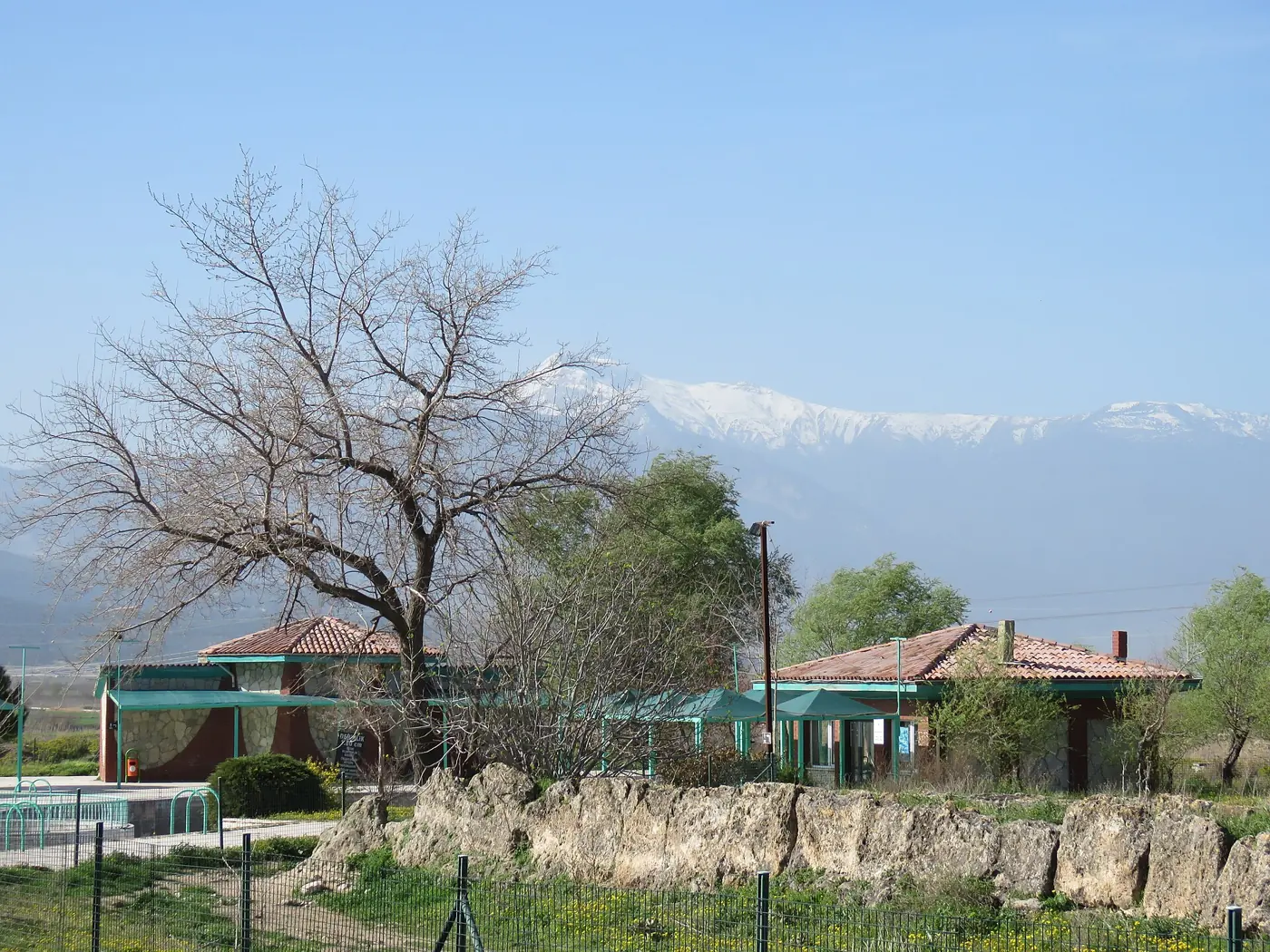
8 Kaklık Mağarası
Kaklik Cave in Honaz has white travertine formations and is nicknamed the underground Pamukkale. It is about 30-35 km from Denizli centre, and one source reports 134 thousand visitors in 2024.
- District: Honaz
- Nickname: Underground Pamukkale
- Distance: About 30-35 km from Denizli centre
Show map
9 Honaz Dağı Milli Parkı
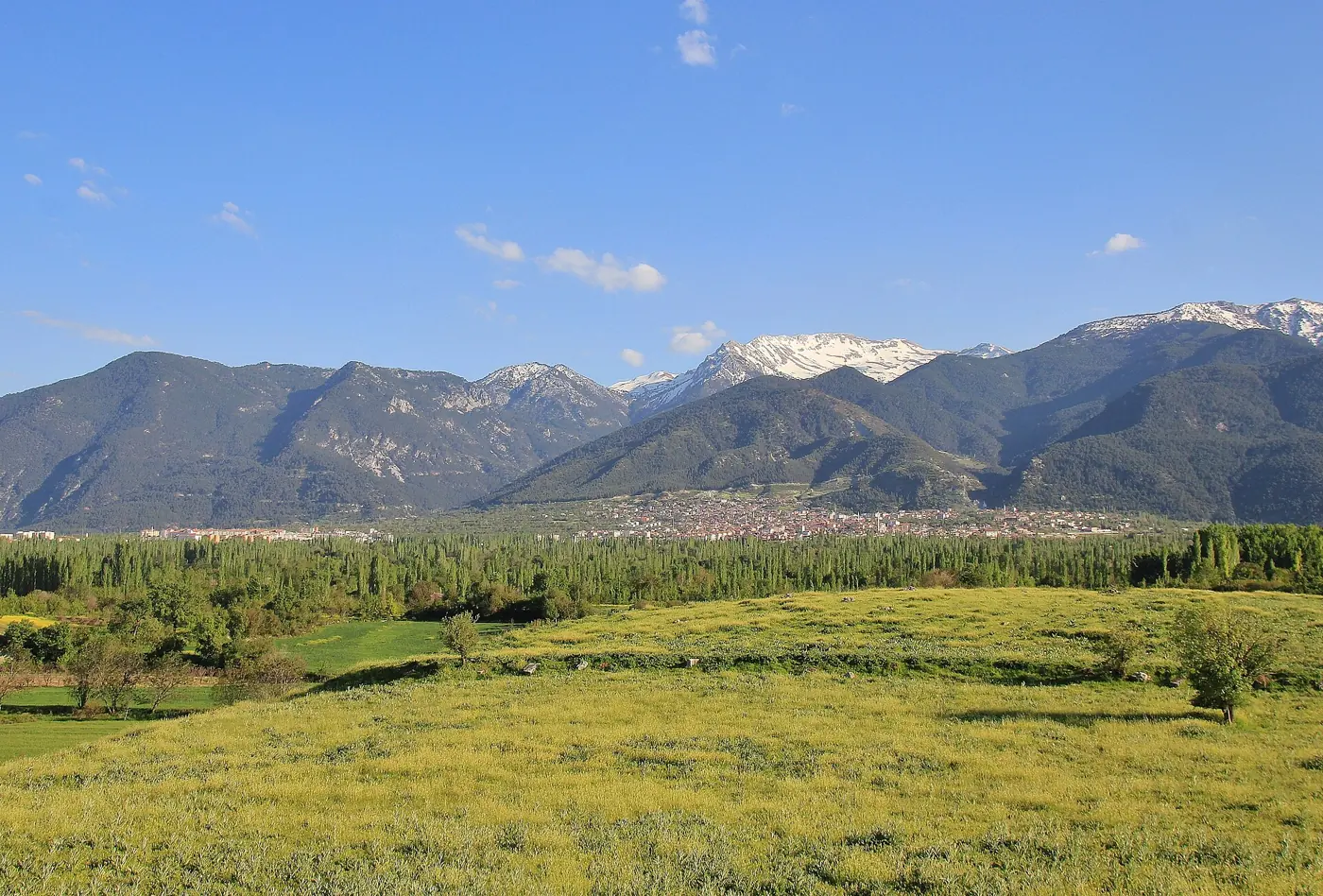
Honaz Mountain National Park surrounds Mount Honaz, the ancient Mount Cadmus. It is popular for hiking, picnics and birdwatching, and the Cankurtaran picnic area is about 21 km from Denizli.
- District: Honaz
- Ancient name: Mount Kadmos (Cadmus)
- Picnic area: Çankurtaran, about 21 km from Denizli
Show map
10 Acıgöl (Çardak Gölü)
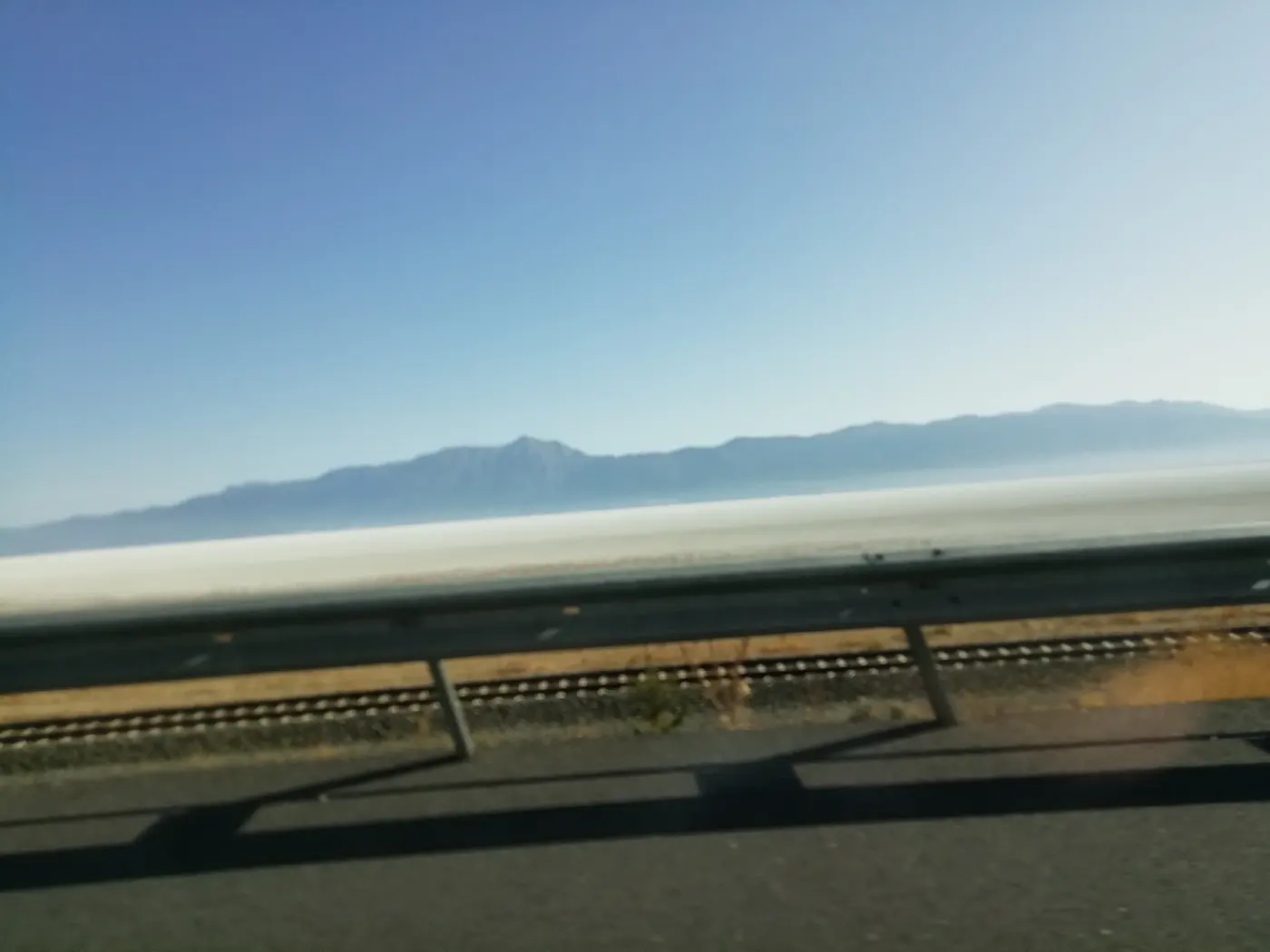
Lake Acigol is a salty tectonic lake where Denizli, Afyonkarahisar and Burdur meet. It is an important bird area known for flamingos and salt fields, and a car is recommended.
- Type: Salt lake
- Wildlife: Flamingos and other waterbirds
- Access: Car recommended
Show map
How do the main sights compare?
The table lists each major sight by type, distance and what to expect. Distances are approximate and come from our registry.
In summary, the table shows that Pamukkale and Hierapolis need the most time, while Honaz sights can be paired in a single day. Distances matter more than anything else when you plan.
Quick picks:
- First visit: travertines and Hierapolis.
- History fans: Laodicea and Colossae.
- Families: Kaklik Cave and Honaz.
- Birdwatchers: Lake Acigol and Lake Isikli.
Compare the sights before you choose.
| Sight | Type | Location / distance | Best for |
|---|---|---|---|
| Pamukkale travertines | Natural UNESCO site | Pamukkale | Photos, thermal pools |
| Hierapolis | Ancient city | Above the terraces | Ruins and walking |
| Laodicea | Ancient city | About 6 km from Denizli centre | Early Christian history |
| Colossae | Ancient site | Honaz | Quiet history visit |
| Tripolis | Ancient city | Buldan | Theatre, bath, necropolis |
| Kaklik Cave | Cave | About 30-35 km from Denizli | Family nature stop |
| Honaz Mountain | National park | Honaz | Hiking, picnics |
| Lake Acigol | Salt lake | Cardak | Flamingos |
How do you get around Denizli province?
Pamukkale is about 20 km from Denizli city, and Laodicea is about 6 km from the centre. Honaz, Buldan and the lakes are further away, so most visitors use a private car. Local transport exists, but it is slow for multi-stop days.
Therefore, ask a driver to plan a route by area. Combine Pamukkale and Laodicea on day one, and Honaz sights on day two.
If you arrive by air, remember that Denizli Cardak Airport lies a considerable drive from Pamukkale, and a transfer should be arranged in advance. A TurkGT driver can meet you and tailor the route to your sights.
Practical tips:
- Start early at Hierapolis to avoid heat and crowds.
- Bring water, a hat and good shoes.
- Check opening hours for each site before you go.
- Allow a full day for Honaz sights.
Approximate transfers (check current times).
| Route | Distance | Suggested transport |
|---|---|---|
| Denizli city to Pamukkale | About 20 km | Car, taxi or local minibus |
| Denizli centre to Laodicea | About 6 km | Car or taxi |
| Denizli to Kaklik Cave | About 30-35 km | Private car |
| Denizli to Lake Isikli | About 110-120 km | Private car |
What is a good two-day plan?
On day one, visit the travertines and Hierapolis in the morning, rest at lunch, and see Laodicea in the late afternoon. On day two, drive to Honaz for Kaklik Cave and the national park, then return to Denizli for dinner.
This plan covers the UNESCO site, early Christian heritage and a nature stop. Moreover, it keeps daily driving reasonable.
Keep flexibility in the plan for weather. Hot afternoons can make ruins tiring, and rain can make marble slippery. In that case, swap an outdoor stop for the museum or a cafe break.
Optional extras:
- Add Tripolis if you enjoy ruins.
- Add Lake Acigol for flamingo season.
- Add a balloon flight at sunrise through a local operator.
- Add a dinner at a Denizli kebab house.
A sample two-day plan.
| Day | Morning | Afternoon |
|---|---|---|
| Day 1 | Travertines and Hierapolis | Laodicea |
| Day 2 | Kaklik Cave | Honaz Mountain or Colossae |
Frequently asked questions
What is the number one sight in Denizli?
The Pamukkale travertines with Hierapolis, a UNESCO World Heritage Site, are the top sight.
How far is Laodicea from Denizli?
Laodicea is about 6 km from Denizli centre, so it is easy to visit by car or taxi.
What is Kaklik Cave?
Kaklik Cave is a cave in Honaz with white travertine formations, nicknamed the underground Pamukkale.
Is Colossae worth visiting?
Colossae is largely unexcavated. It suits visitors interested in New Testament history, but expect a landscape visit.
How many days do I need?
Two days cover Pamukkale, Hierapolis, Laodicea and one Honaz sight. Add a day for the lakes.
Do I need a car?
For Pamukkale and Laodicea, taxis work. For Honaz, Buldan and the lakes, a private car is much easier.
Are ticket prices listed?
No. Prices and hours change, so check official pages or Google Maps.
Plan this with TurkGT
TurkGT can plan a private car with driver and a licensed guide for Pamukkale, Hierapolis, Laodicea and the Honaz area, with an interpreter if you need one. We can also arrange hotel booking and a sunrise balloon through local operators. Send your dates by WhatsApp or the inquiry form.
Request a booking
Related guides
- Hierapolis Ancient City: How to Visit the Ruins at Pamukkale
- Laodicea and the Ancient Biblical Cities Near Denizli
- Hierapolis Museum and Archaeology Sites Around Denizli
- Best 10 Hotels in Pamukkale: Thermal, Boutique and Village
- Best Restaurants in Pamukkale and Denizli: Top Picks
- Pamukkale Thermal Pools and White Travertines: Visit Guide
- Best Shopping in Denizli: Malls, Bazaars and Sweet Shops
→ Denizli and Pamukkale travel guides
Related destinations and attractions
- Denizli
- Pamukkale Travertines
- Laodicea on the Lycus
- Hierapolis-Pamukkale
- Pamukkale
- Aegean Region, Türkiye: İzmir, Ephesus, Pergamon and Pamukkale
Explore more city guides
Sources
- Pamukkale (Wikipedia)
- Hierapolis (Wikipedia)
- Laodicea on the Lycus (Wikipedia)
- Colossae (Wikipedia)
- Kaklik Cave (Wikipedia)
- Lake Acigol (Wikipedia)
Last reviewed: 2026-11-21.