
This route gives day one to Şanlıurfa and Göbekli Tepe, day two to Harran, and day three to Mount Nemrut in Adıyaman. The order is an editorial suggestion, and the sources used give no travel times.
Key facts
- Length: 3 days
- Provinces: Şanlıurfa and Adıyaman
- Day 1: Balıklıgöl, Göbekli Tepe
- Day 2: Harran (optional: Halfeti)
- Day 3: Mount Nemrut
- UNESCO sites: Göbekli Tepe (2018), Nemrut Dağ (1987)
How this route is built
The route runs from Şanlıurfa to Harran and then to the Commagene monument on Mount Nemrut. This order is our own suggestion. The sources used here give no distances or travel times between the stops, so plan the transfers with local transport information.
No prices, times or opening hours are given.
Day 1: Şanlıurfa and Balıklıgöl
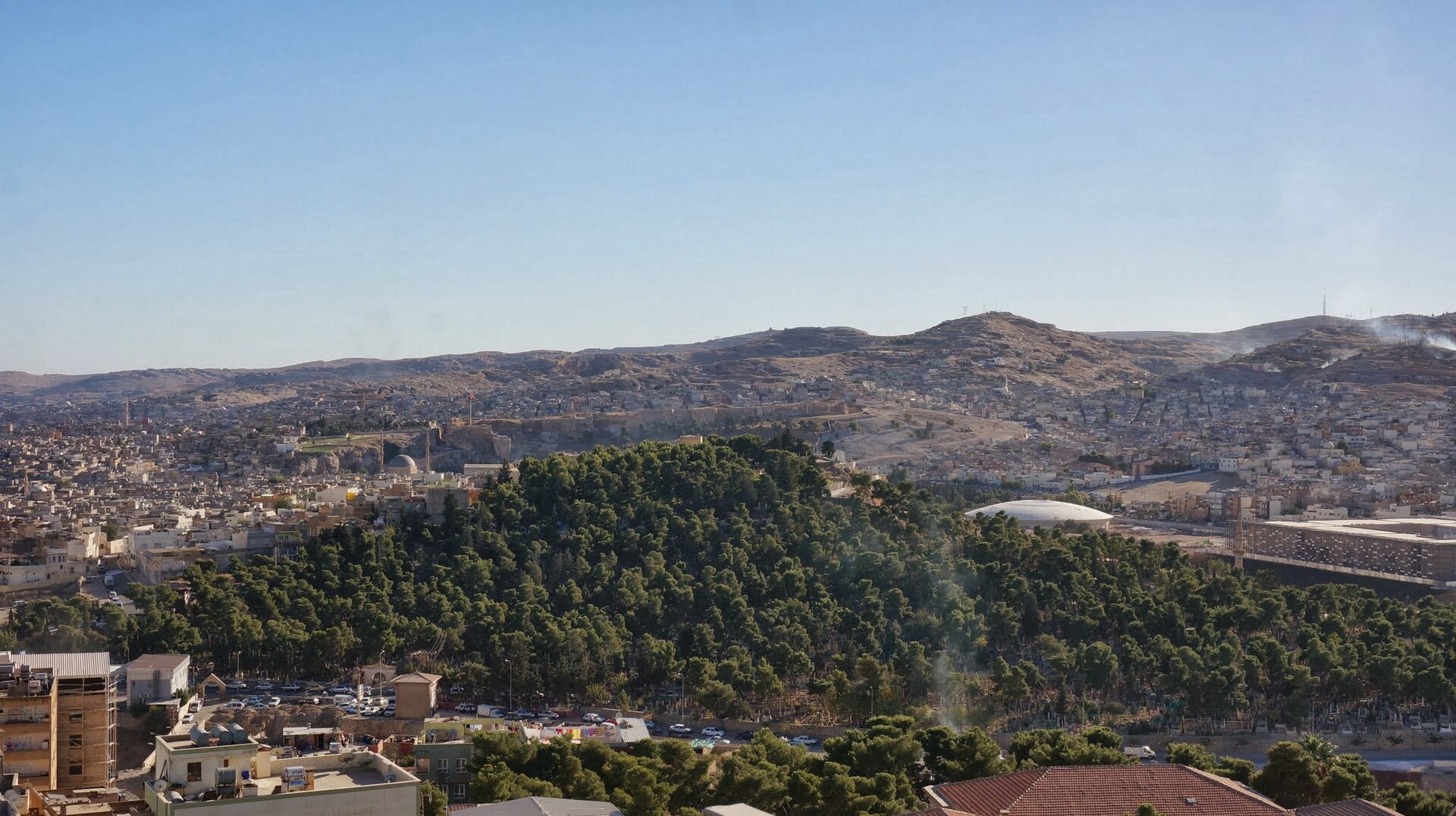
The Culture Portal says Urfa has been one of the busiest meeting points of east and west since ancient times, and summarises about 4,500 years of written history. Balıklıgöl is a pool in the southwest of the city centre, also called the Pool of Abraham. Jewish and Islamic legends place the story of Nimrod throwing Abraham into a fire here.
The Culture Portal describes Balıklıgöl as the area in Eyyübiye district that includes the Aynzeliha and Halilürrahman lakes and religious buildings. Aynzeliha Lake lies in front of Urfa Castle. The Halilürrahman Külliyesi, called the symbol of Şanlıurfa, includes the Halilürrahman Mosque and Madrasa.
Day 1: Göbekli Tepe
Göbekli Tepe is a Neolithic site in Şanlıurfa Province. UNESCO says its monumental enclosures were built by hunter-gatherers in the Pre-Pottery Neolithic, in the 10th-9th millennia BC. Distinctive T-shaped limestone pillars rise up to 5.5 m, and some carry reliefs of wild animals.
The Culture Portal says round or oval structures up to 30 metres across have T-shaped pillars at the centre. UNESCO inscribed the site in 2018.
Day 2: Harran
GoTürkiye says Harran has findings dating to 7,000 BC and almost 4,300 years of written history, and lies at the crossroads of trade routes linking Mesopotamia to Asia Minor. The name means the land where the roads meet.
Harran is known for its beehive houses. Wikipedia says this building type is not seen elsewhere in Türkiye. The Culture Portal says the houses were built about 250 years ago from bricks gathered from the Harran archaeological site, and registered as an archaeological and urban protected area in 1979.
Day 2 option: Halfeti
Halfeti is on the Euphrates. The Culture Portal says three fifths of the district were flooded by the Birecik Dam, and the district belongs to the Cittaslow network. GoTürkiye says boat tours sail between canyons towards Rumkale. Whether this fits a day with Harran depends on transport, which the sources do not cover.
Day 3: Mount Nemrut
Mount Nemrut is in Kahta district of Adıyaman. UNESCO says Nemrut Dağ is the Hierotheseion built by King Antiochos I of Commagene (69-34 BC) as a monument to himself. Five giant seated limestone statues of deities face outwards on the upper level of the east and west terraces, with a lion and an eagle at each end. The heads of the statues have fallen to the lower level.
The funerary mound of stone chips is 50 m high. The Culture Portal says the king’s burial chamber has not been found to date. UNESCO inscribed the site in 1987.
Frequently asked questions
How many days do you need for Şanlıurfa, Harran and Nemrut?
This route uses three days. The sources give no travel times, so the plan is an outline, not a timetable.
Is Göbekli Tepe a UNESCO site?
Yes. UNESCO inscribed Göbekli Tepe on the World Heritage List in 2018.
Which statues are at Mount Nemrut?
Five giant seated limestone statues of deities, with a lion and an eagle at each end, on the east and west terraces (UNESCO).
Where are the beehive houses?
In Harran, in Şanlıurfa Province. Wikipedia says the building type is not seen elsewhere in Türkiye.
Is Harran on a UNESCO list?
The Culture Portal says Harran has been on the UNESCO World Heritage Tentative List since 2000. It is not an inscribed site.
Related on TurkGT
- Şanlıurfa
- Adıyaman
- Harran
- Halfeti
- Mount Nemrut Statues
- Balıklıgöl
- Harran Houses
- Nemrut Dağ
- Göbekli Tepe
- 3 Days in Istanbul: Historic Peninsula, Bosphorus, Beyoğlu
- 3 Days in Antalya: Kaleiçi, Waterfalls, Aspendos and Perge
- 2 Days in Bursa: Ottoman Capital, Cumalıkızık and Uludağ
- 2 Days at Pamukkale and Laodicea: Travertines and Ruins
- 3 Days in Cappadocia: Göreme, Underground Cities, Valleys
Sources
- Türkiye Kültür Portalı: Şanlıurfa (general information)
- Wikipedia: Şanlıurfa
- Wikipedia: Balıklıgöl
- Balıklıgöl – Kültür Portalı (Ministry of Culture and Tourism)
- UNESCO World Heritage Centre: Göbekli Tepe
- Göbeklitepe Örenyeri – Kültür Portalı
- GoTürkiye: Top things to see in Şanlıurfa
- Go Türkiye: Şanlıurfa – Touch
- Wikipedia: Harran
- Harran Kümbet Evleri – Kültür Portalı (Ministry of Culture and Tourism)
- Türkiye Kültür Portalı: Halfeti
- UNESCO World Heritage Centre: Nemrut Dağ
- Nemrut Ören Yeri – Kültür Portalı
- Adıyaman: general information (Türkiye Kültür Portalı, Ministry of Culture and Tourism)
Last reviewed: 2026-11-16. Opening hours, ticket prices and other changeable visitor details are not listed here because we have not verified them; check the official source before you travel.